What buyers really ask about a 2 ply conveyor belt (and what matters in the field)
Over the last 18 months I’ve seen a quiet shift: plant managers are moving from 3–4 ply general-purpose belts to lighter, smarter 2 ply conveyor belt builds—especially patterned incline belts. Why? Less weight on drives, faster splicing, and surprisingly robust performance when the rubber compound and fabric are spec’d right. The Upward Convex Pattern Conveyor Belt from HG (Shijiazhuang, Hebei) is a good example of that trend.
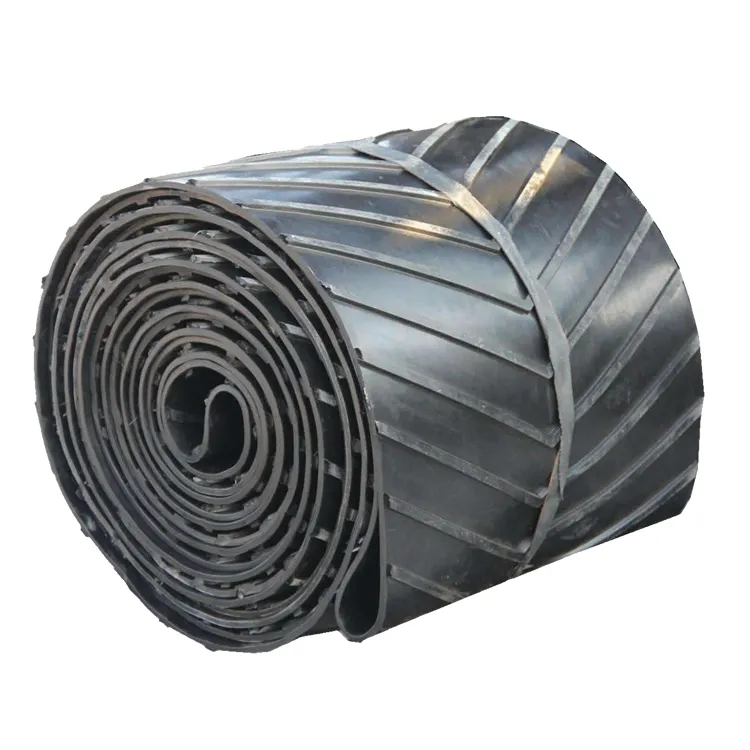
What it is, in plain terms
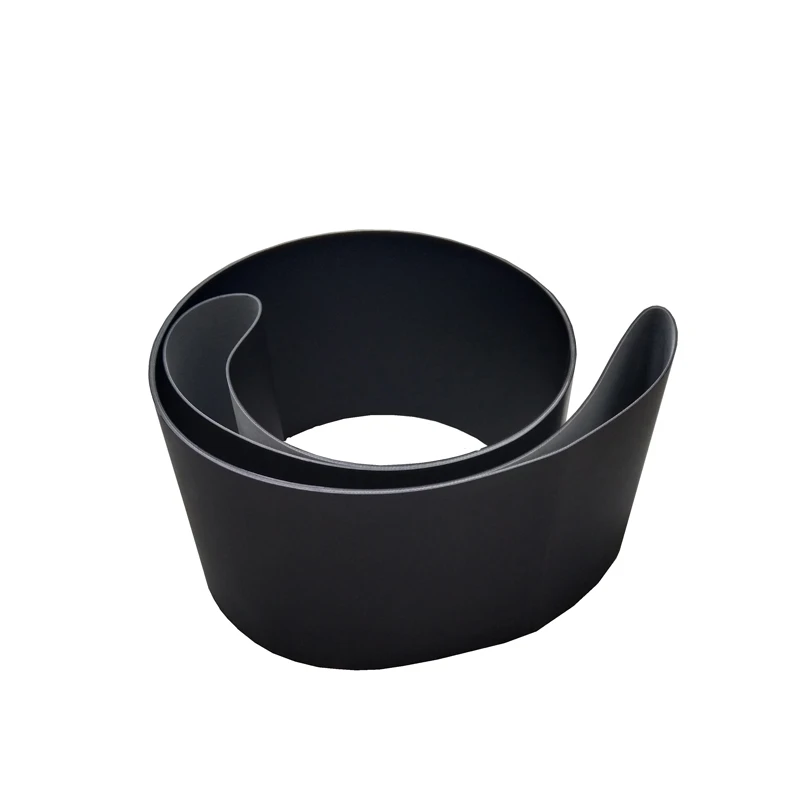
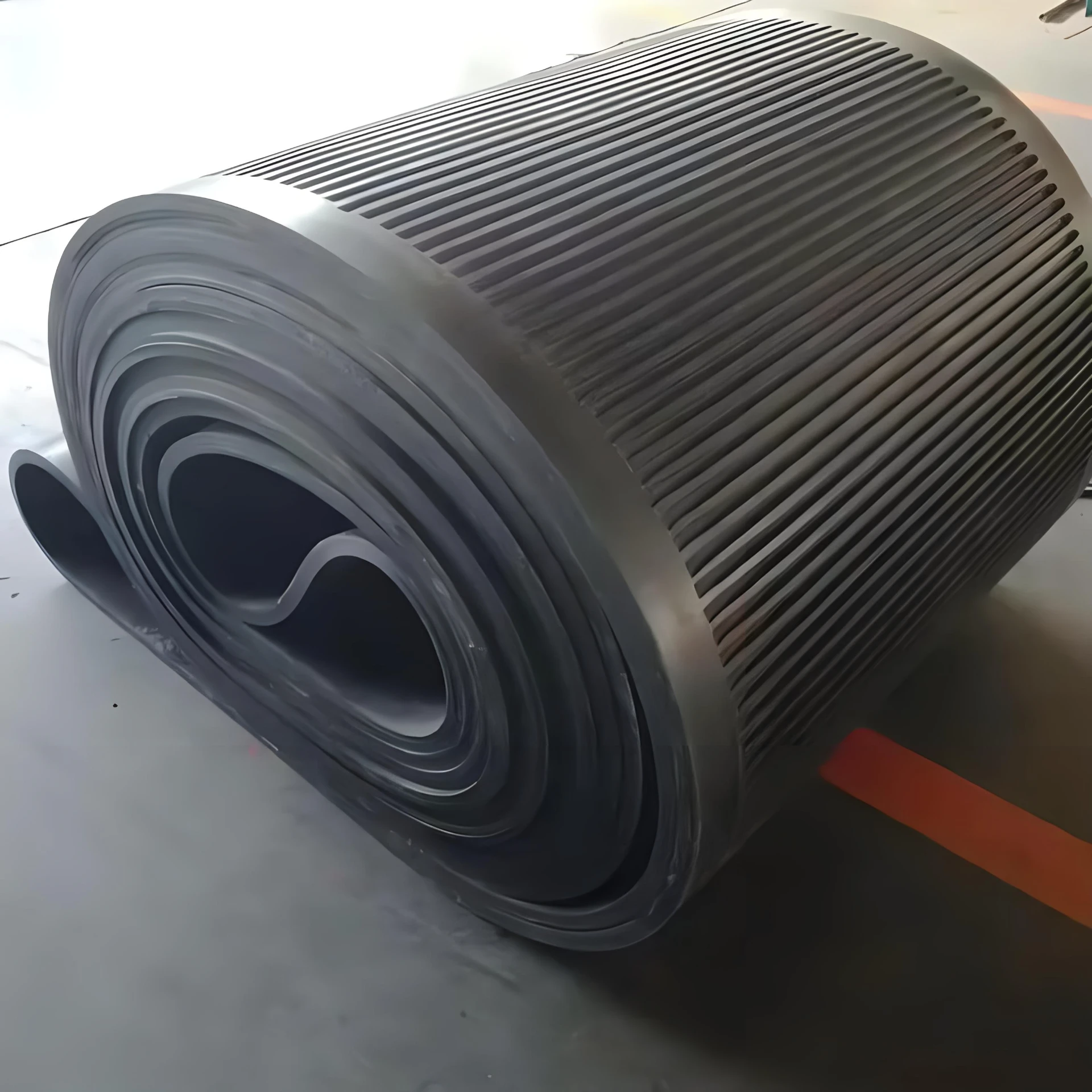
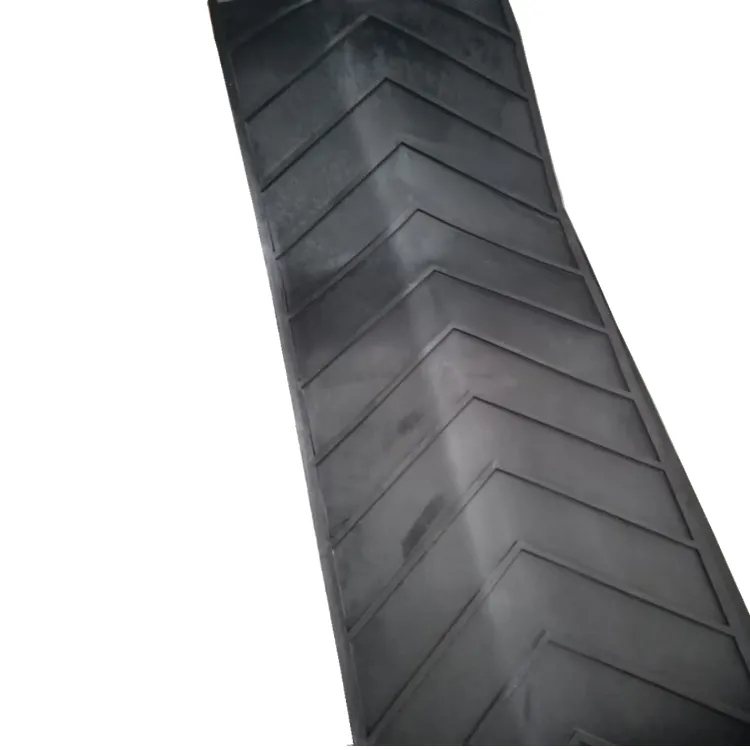
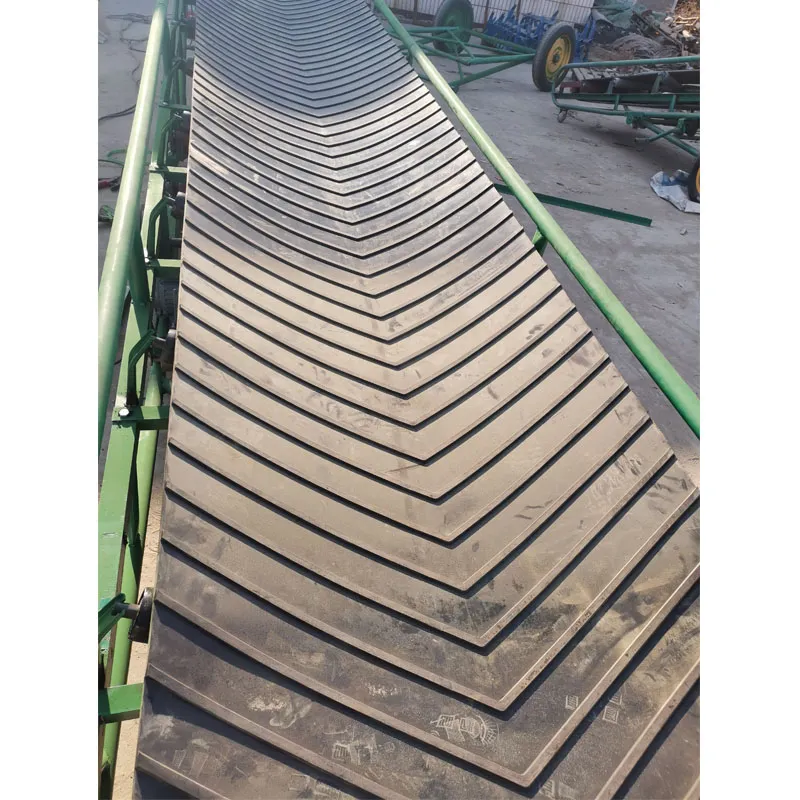
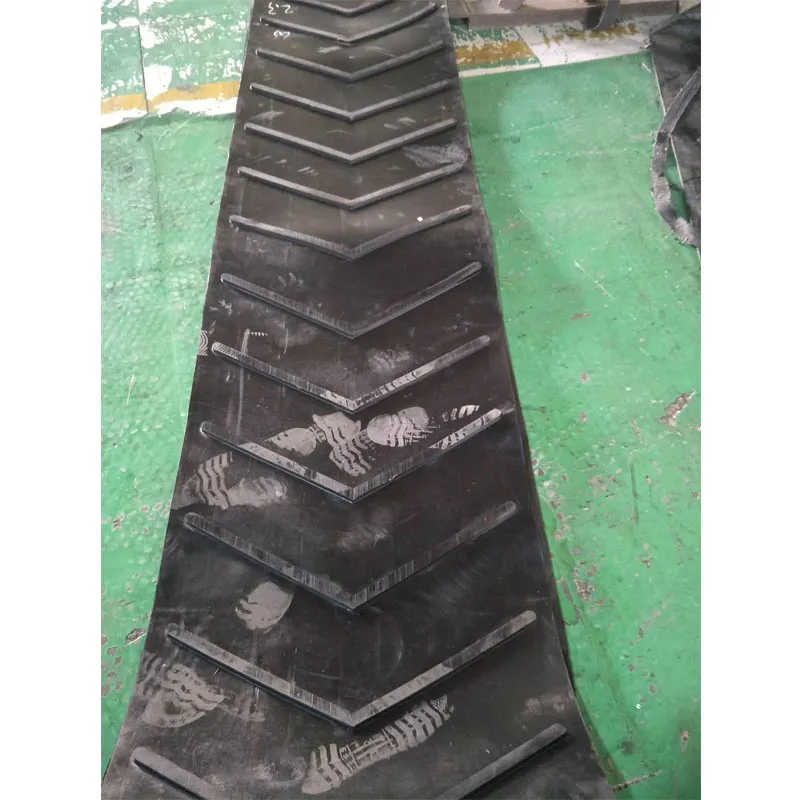
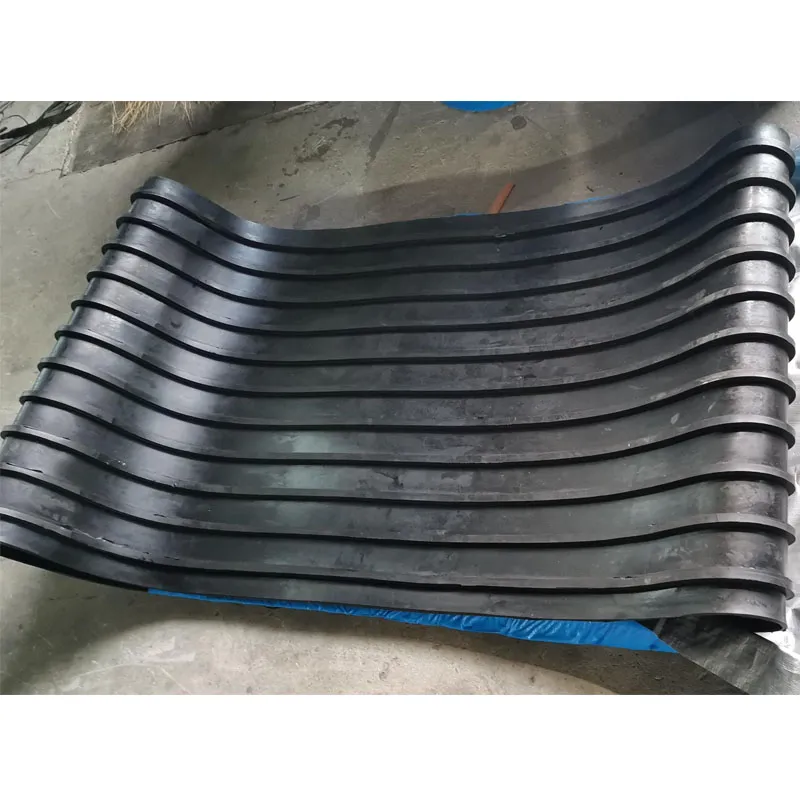
A patterned incline belt uses a shaped top cover to grip material on slopes, with a flat bottom cover and a textile belt core. In the 2 ply conveyor belt configuration, you get two fabric layers (often EP polyester/nylon) that keep elongation low while staying flexible for smaller pulleys. Many customers say the “upward convex” profile handles damp aggregates better than chevron in certain angles—your mileage may vary, but I’ve seen it handle 18–25° quite confidently.
Process flow (how it’s made)
- Materials: EP fabric plies (e.g., EP200/2 or EP315/2), NR/SBR cover compounds (oil-, heat-, or flame‑resistant options available).
- Methods: calendaring of skim and covers → ply building → vulcanization/press curing with molded upward-convex pattern → edge trimming.
- Testing: tensile (ISO 14890), cover abrasion (ISO 4649), adhesion (ISO 252), elongation at break, and dimensional checks. Some lots also follow DIN 22102 grades.
- Service life: around 2–5 years in aggregates/recycling under typical loading; heavy impact or poor troughing shortens life.
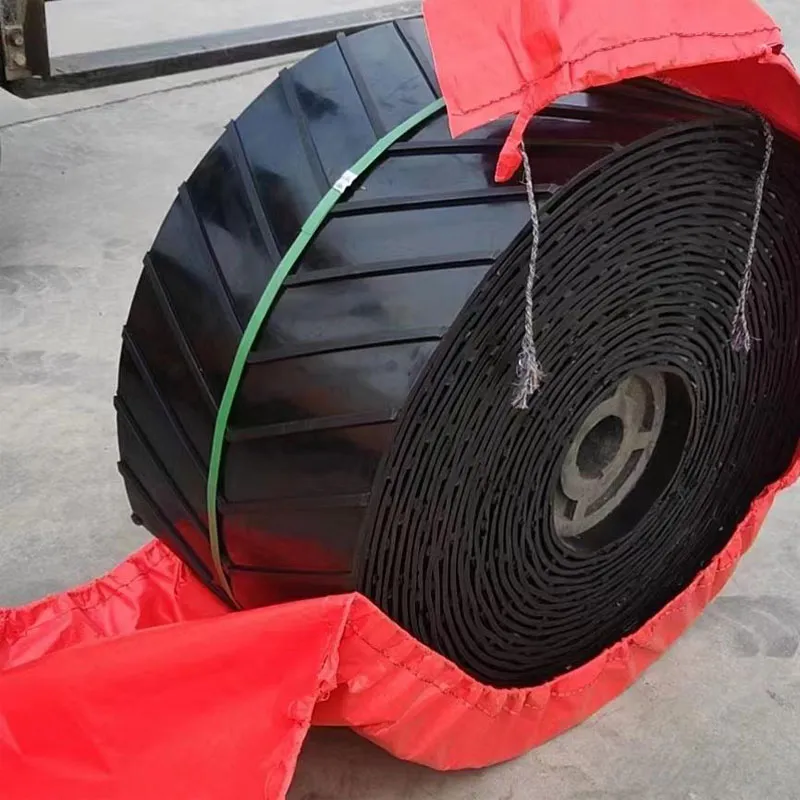
Typical specs (field-proven ranges)
| Parameter | Spec (≈ / typical) |
|---|---|
| Construction | EP200/2 or EP315/2, upward-convex pattern top |
| Width | 400–1600 mm (custom up to 2000 mm) |
| Top/Bottom cover | Top 3–6 mm; Bottom 1.5–3 mm |
| Pattern height | 5–15 mm (angle handling ≈ 12–30°, real‑world use may vary) |
| Cover abrasion | ≤ 200 mm³ (ISO 4649, typical Y grade) |
| Operating temp | -20 to +80 °C (higher with special compound) |
Where it works best
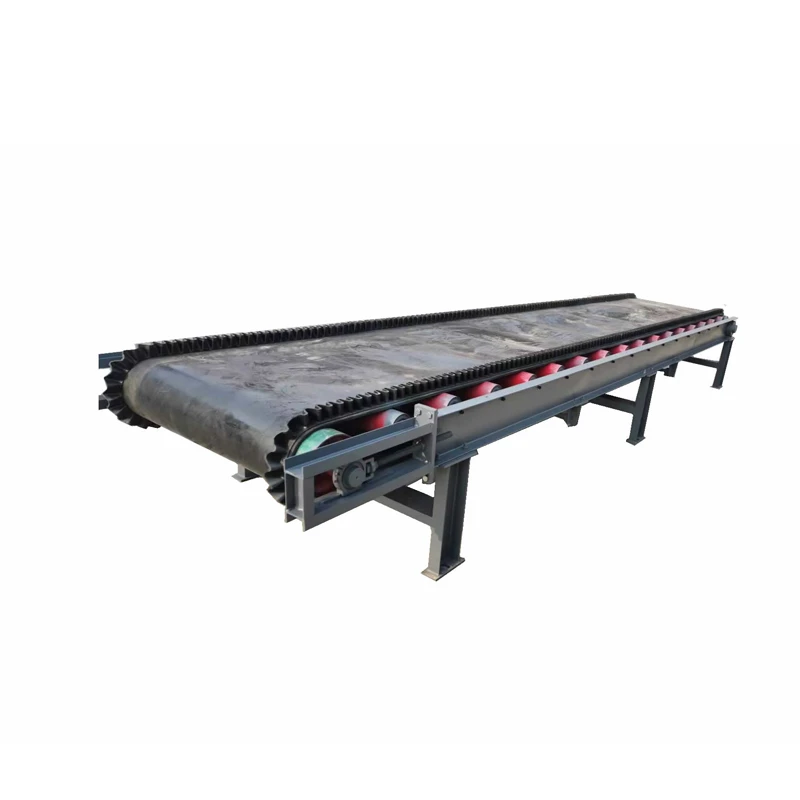
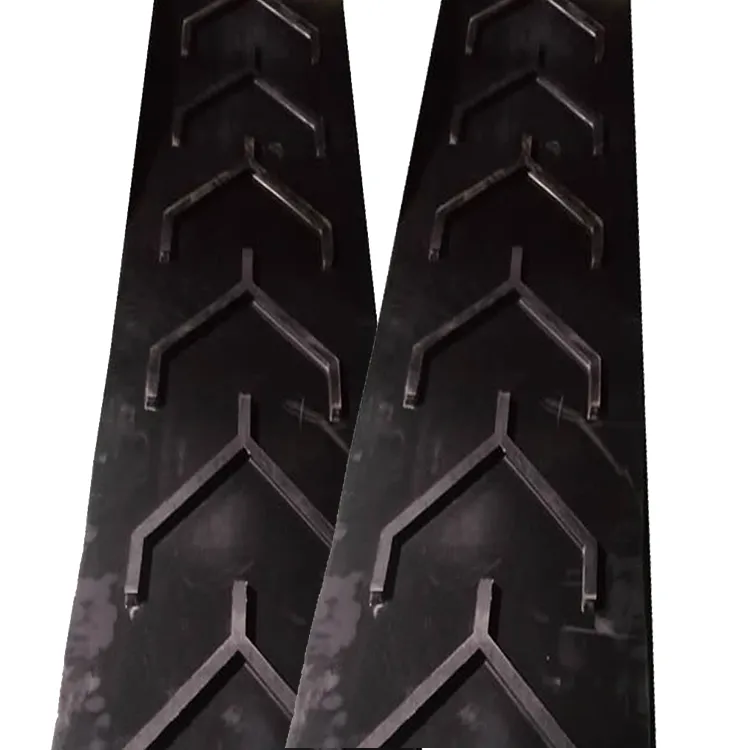
Aggregates, agriculture (grain, fertilizer), recycling lines, small parcel logistics, even portable conveyors. The pattern improves grip, reduces rollback, and helps keep drives smaller. Installers appreciate that a 2 ply conveyor belt splices faster—handy on mobile plants where downtime hurts.
Customization and compliance
HG offers oil-resistant, heat-resistant, and flame-retardant compounds; edge types (sealed/cut), and pattern heights tuned to your incline. For audits, ask for ISO 14890 compliance and test sheets (ISO 4649 abrasion, adhesion per ISO 252; some customers also request DIN 22102 grades). Certifications and factory address: Room1109, Building C, Tianshan Galaxy Plaza, No. 358 Yuhua East Road, Shijiazhuang High Tech Zone, Hebei Province.
Vendor snapshot (quick comparison)
| Vendor | Pros | Watch-outs |
|---|---|---|
| HG Conveyor Belt (Upward Convex) | Pattern tooling in-house; flexible MOQs; documented ISO/DIN tests | Lead time spikes during peak export season |
| Local Fabricator | Fast service, onsite splicing | Pattern options limited; price varies |
| Import-Only Distributor | Stock on common sizes | Less customization; mixed compound traceability |
| Premium OEM Brand | High consistency; deep tech support | Higher cost; longer special-order lead time |
Mini case files
Quarry (limestone, 22° incline): Switched from 3‑ply chevron to 2 ply conveyor belt upward-convex; drive load dropped ≈8%, splicing time cut by ~30%, no rollback complaints after 6 months.
Fertilizer blending: Oil-resistant compound with 8 mm pattern height; operators noted cleaner release and fewer belt wipes—small thing, but it adds up in shift productivity.
Author’s note: If you’re unsure, send your incline angle, pulley diameters, material bulk density, and target tph. A ten‑minute spec check usually prevents a six‑month headache.