Optimizing Production with Plastic Part Conveyors
In today’s fast-paced manufacturing world, efficient material handling is crucial for maximizing productivity and minimizing costs. Plastic part conveyors are integral components of many production lines, offering a reliable and versatile solution for moving parts throughout the manufacturing process. This article explores the benefits, types, applications, and key considerations when selecting the right plastic part conveyor system for your specific needs. Investing in a well-designed conveyor system can significantly improve your operational efficiency and contribute to a smoother, more streamlined production flow.
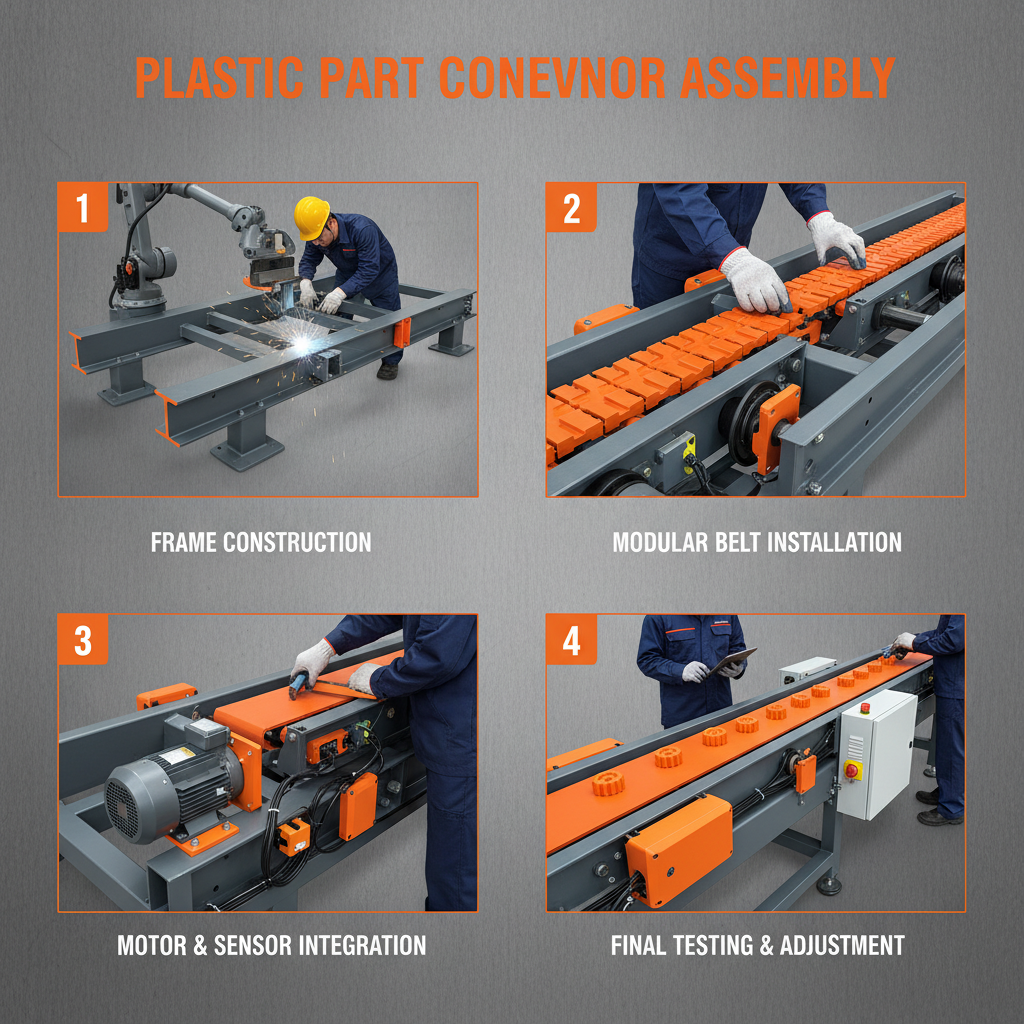
Benefits of Using Plastic Part Conveyors
Utilizing plastic part conveyors offers a multitude of advantages. They are incredibly versatile, capable of handling parts of various shapes, sizes, and weights. Plastic conveyors are also lightweight and easy to install, reducing downtime and setup costs. Furthermore, their smooth surfaces minimize friction and prevent damage to delicate parts. A key benefit is their hygienic nature, making them ideal for industries such as food processing and pharmaceuticals. Finally, they are often more cost-effective than other conveyor systems, providing a strong return on investment.
Key Benefits: Versatile, Lightweight, Easy Installation, Minimizes Part Damage, Hygienic, Cost-Effective.
Types of Plastic Part Conveyors
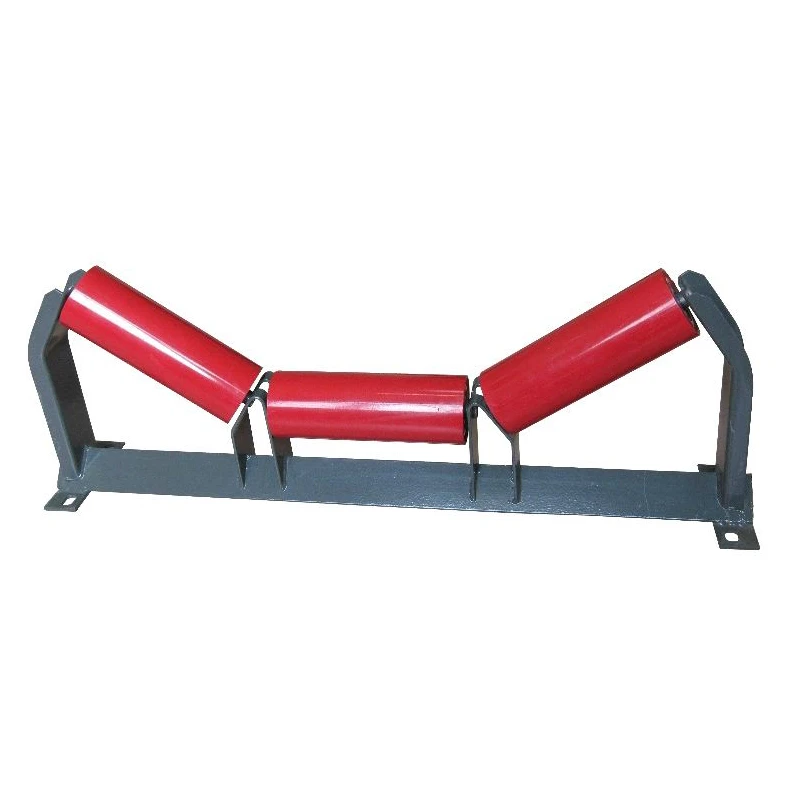
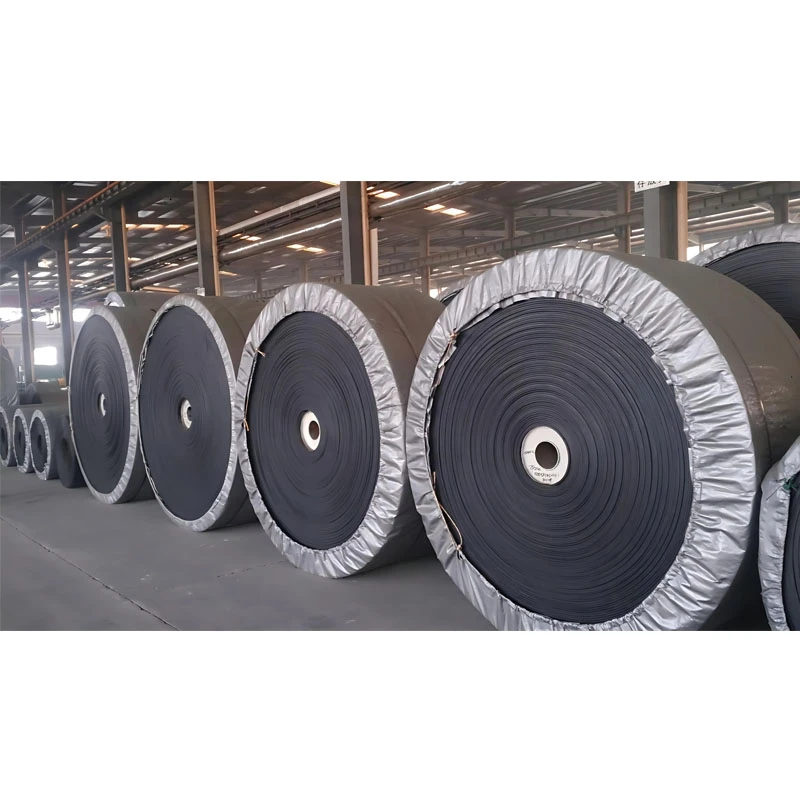
Several types of plastic part conveyors are available, each designed for specific applications. Modular belt conveyors are highly customizable and can navigate complex layouts. Flat belt conveyors are ideal for moving lightweight parts over long distances. Roller conveyors utilize rollers to move parts, offering a simple and efficient solution. Slat conveyors, employing durable plastic slats, are perfect for heavier loads and abrasive materials. Selecting the appropriate conveyor type is crucial for optimizing performance and ensuring reliable operation.
Conveyor Type Overview:
• Modular Belt Conveyors: Customizable, complex layouts.
• Flat Belt Conveyors: Lightweight parts, long distances.
• Roller Conveyors: Simple, efficient movement.
• Slat Conveyors: Heavy loads, abrasive materials.
Choosing the Right Plastic Part Conveyor: Key Considerations
Selecting the right plastic part conveyor involves careful consideration of several factors. First, assess the weight and size of the parts you need to convey. Second, consider the layout of your production line and choose a conveyor that can navigate corners and inclines efficiently. Third, evaluate the materials being conveyed – abrasive materials may require more durable conveyor options. Finally, factor in budget constraints and choose a system that provides the best value for your investment. Proper planning and analysis are essential for ensuring a successful implementation.
Applications of Plastic Part Conveyors in Manufacturing
The applications for plastic part conveyors are remarkably diverse. They are widely used in the automotive industry for transporting components during assembly. In the electronics sector, they handle delicate circuit boards and electronic parts. The food and beverage industry utilizes them for conveying packaged goods. Pharmaceutical companies rely on their hygienic properties for transporting medications. And in general manufacturing, they streamline the movement of parts between workstations, improving overall efficiency.
Maintenance and Longevity of Your Conveyor System
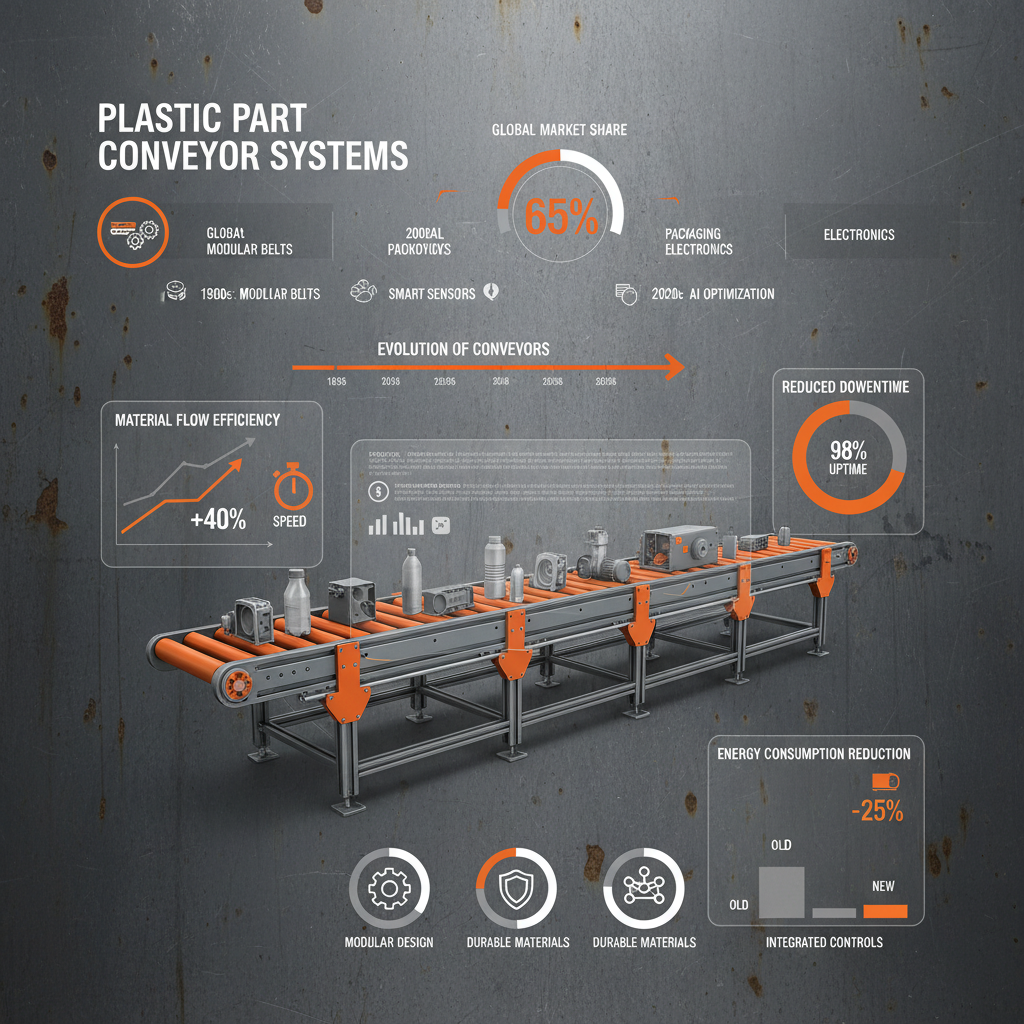
To ensure the longevity and optimal performance of your plastic part conveyor system, regular maintenance is essential. This includes routine cleaning to remove debris and buildup, inspection of belts and rollers for wear and tear, and lubrication of moving parts. Promptly address any issues or repairs to prevent further damage. Proper maintenance not only extends the lifespan of the conveyor but also minimizes downtime and ensures consistent, reliable operation.
Conclusion: Streamlining Production with the Right Conveyor
Investing in the right plastic part conveyor is a strategic decision that can significantly enhance your manufacturing processes. By carefully considering your specific needs and selecting a system from a reputable provider like HG Conveyor Belt, you can improve efficiency, reduce costs, and ensure a smoother, more productive operation. Don't underestimate the power of effective material handling!
Frequently Asked Questions (FAQs)
What are the typical lead times for ordering a custom plastic part conveyor?
Lead times can vary depending on the complexity of the design and the current production schedule. Typically, a standard modular conveyor can be delivered within 2-4 weeks. However, highly customized systems with specific engineering requirements may take 6-8 weeks or longer. It's best to discuss your project with a conveyor specialist to get an accurate estimate. Factors influencing lead time include material availability, fabrication time, and quality control inspections. Contacting HG Conveyor Belt early in the planning process can help ensure timely delivery.
What types of materials can plastic part conveyors handle?
Plastic part conveyors are remarkably versatile and can handle a wide range of materials, including plastic parts, metal components, packaged goods, and even food items. However, the specific material compatibility depends on the conveyor belt material. For example, certain plastics may not be suitable for handling abrasive materials or products with sharp edges. It's essential to specify the materials being conveyed when selecting a conveyor system to ensure compatibility and prevent damage. HG Conveyor Belt offers various belt materials tailored to different applications.
How do I determine the appropriate belt speed for my application?
Determining the optimal belt speed involves considering several factors, including the size and weight of the parts, the distance they need to travel, and the overall production rate. Generally, slower speeds are preferred for delicate or irregularly shaped parts to prevent them from tipping or falling off the conveyor. Faster speeds are suitable for lightweight parts and longer distances. It's crucial to strike a balance between speed and stability to ensure efficient and reliable operation. HG Conveyor Belt's engineers can assist you in determining the ideal belt speed for your specific application.
What are the common maintenance tasks for plastic part conveyors?
Regular maintenance is vital for ensuring the longevity and reliability of your plastic part conveyor. Common tasks include cleaning the belt to remove debris, inspecting the belt for wear and tear, lubricating moving parts, and checking the alignment of rollers and supports. It’s also important to inspect the drive system and motor for any signs of malfunction. Following a preventive maintenance schedule can significantly reduce downtime and extend the life of your conveyor system. HG Conveyor Belt offers comprehensive maintenance services and support.