Industry Trends in Conveyor Roller Technology
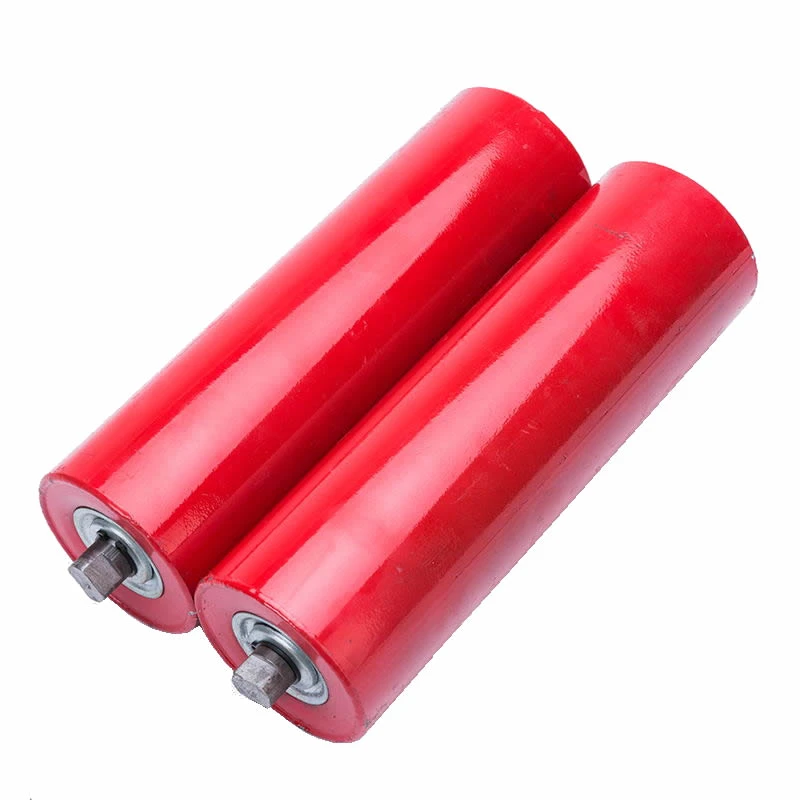
The global materials handling industry is undergoing significant transformation, driven by demands for increased efficiency, reduced operational costs, and enhanced environmental sustainability. Within this context, the design and performance of steel conveyor rollers with bearings are critical. Key trends include the integration of smart technologies for predictive maintenance, a stronger emphasis on energy efficiency through advanced bearing and sealing systems, and the development of rollers capable of operating reliably in increasingly harsh industrial environments.
There's a growing demand for specialized rollers, such as impact rollers designed for receiving points and self-aligning training rollers for belt stability. Furthermore, manufacturers are focusing on modular designs that simplify installation and replacement, reducing downtime. The rise of automation in logistics and manufacturing facilities necessitates components that offer extended service life and minimal maintenance, directly impacting the design and material selection for every steel conveyor rollers with bearings unit. Sustainability is also a major driver, with increasing interest in rollers made from recycled materials or designed for easier end-of-life recycling, alongside a push for lower friction designs to reduce power consumption.
Manufacturing Process: Precision Engineering of Steel Conveyor Rollers
The production of high-performance steel conveyor rollers with bearings is a multi-stage process demanding meticulous precision and stringent quality control. Each step is critical to ensuring the longevity, efficiency, and reliability of the final product.
Detailed Process Flow:
- Material Selection (Shell & Shaft):
The roller shell is typically fabricated from high-grade carbon steel, such as Q235 or Q345, selected for its excellent weldability, strength, and corrosion resistance. For applications requiring enhanced wear resistance or in corrosive environments, materials like stainless steel (e.g., 304, 316) may be used. The shaft material is often cold-drawn steel (e.g., 45# steel) known for its high tensile strength and machinability, crucial for bearing fit and structural integrity.
- Tube Cutting & Machining:
Steel tubes are cut to precise lengths using automated plasma or laser cutting, followed by CNC machining to ensure accurate dimensions and chamfering for subsequent welding processes. Concentricity is paramount to ensure smooth rotation.
- Bearing Housing & Seal Assembly:
Bearing housings, often pressed steel or cast iron, are carefully manufactured to hold the bearings securely. Advanced labyrinth seals, comprising multiple layers of non-contacting and contacting elements (e.g., polyamide, rubber), are integrated to prevent ingress of dust, moisture, and corrosive substances while retaining lubricant. This is a critical component for the longevity of any bearing conveyor roller.
- Shaft Preparation & Bearing Insertion:
Shafts undergo precision machining, often via CNC lathes, to achieve tight tolerances for bearing journals. High-quality deep groove ball bearings (e.g., C3 clearance) are then press-fitted onto the shaft ends. The choice of bearing directly impacts the `idler conveyor roller`'s efficiency and load capacity.
- Welding & Assembly:
The prepared shaft-bearing-seal assemblies are then welded into the roller shell. Automated robotic welding ensures consistent, strong, and concentric welds, minimizing distortion. End caps are welded to enclose the bearing system, creating a sealed unit.
- Surface Treatment & Painting:
After cleaning and degreasing, rollers undergo surface treatment, often shot blasting, to enhance paint adhesion. A durable powder coating or epoxy paint is then applied, providing protection against corrosion and abrasion, crucial for extending service life in demanding environments.
- Quality Control & Testing:
Each roller undergoes rigorous testing. This includes dimensional checks (length, diameter, shaft protrusion), run-out tests (TIR within ISO/DIN/CEMA standards), rotational resistance tests, and dynamic balancing. These tests ensure compliance with international standards such as ISO 1537, DIN 22107, and CEMA. Rollers must demonstrate low friction (energy saving) and superior sealing capabilities (corrosion resistance, extended service life).
Target industries for these advanced rollers include petrochemical, metallurgy, mining, power generation, and water supply & drainage, where robust and reliable materials handling is non-negotiable.
Technical Specifications of Steel Conveyor Rollers with Bearings
Understanding the precise technical specifications of steel conveyor rollers with bearings is crucial for system integrators and procurement specialists to ensure optimal performance and compatibility. These parameters dictate the roller's load-bearing capacity, operational efficiency, and durability in specific industrial applications.
Typical Product Specifications Table:
| Parameter | Specification Range / Type | Key Details |
|---|---|---|
| Roller Diameter (D) | 60mm - 219mm (2.36" - 8.62") | Conforms to CEMA, DIN, ISO standards. Custom sizes available. |
| Roller Length (L) | 150mm - 2000mm (5.9" - 78.7") | Determined by belt width and troughing angle. |
| Tube Material | Q235 Carbon Steel, Q345, Stainless Steel (304, 316) | High-frequency welded steel pipe, cold-rolled steel pipe. |
| Tube Wall Thickness | 3.0mm - 12.0mm | Influences structural integrity and impact resistance. |
| Shaft Diameter | 20mm - 60mm (0.78" - 2.36") | Typically 45# carbon steel, C45, or stainless steel. |
| Bearing Type | Deep Groove Ball Bearings (6204, 6305, 6306, etc.) | C3 or C4 clearance, sealed (2RS) or open with external seals. |
| Sealing System | Multi-labyrinth Seal (Polyamide, Rubber, Steel) | Highly effective against dust, water, and aggressive media. |
| Rotational Resistance | < 1.5 N per roller (dependent on size) | Low friction for reduced energy consumption. |
| Concentricity (TIR) | ≤ 0.5mm | Ensures smooth operation, reduces vibration and belt wear. |
| Surface Treatment | Powder Coating, Galvanizing, Spray Painting | Corrosion protection, customized colors available. |
| Service Life | ≥ 30,000 hours (under specified conditions) | Achieved through robust design, quality bearings, and effective sealing. |
| Standards Compliance | ISO, DIN, CEMA, JIS | Ensures global interoperability and performance benchmarks. |
These detailed specifications highlight the engineering sophistication embedded in modern steel conveyor rollers with bearings. The selection of materials, precision in manufacturing, and adherence to international standards collectively contribute to a product that can withstand continuous operation in challenging industrial environments, offering benefits such as energy saving through minimal rotational resistance and extended service life due to superior sealing and robust construction.
Application Scenarios and Technical Advantages
The versatility and robust nature of steel conveyor rollers with bearings make them indispensable across a wide array of heavy industrial applications. Their design allows for efficient and reliable material transport, even under the most demanding conditions.
Typical Application Scenarios:
- Mining Operations: Transporting coal, ore, rock, and overburden. Rollers designed for high impact and abrasive materials, featuring heavy-duty bearings and superior sealing against dust and moisture.
- Cement and Concrete Plants: Handling aggregates, clinker, and finished cement. Requires rollers with excellent wear resistance and robust seals to withstand fine, abrasive dust.
- Power Generation (Coal-fired plants): Conveying coal from stockyards to furnaces. Demands rollers with high load capacity and minimal rotational resistance for continuous, energy-efficient operation.
- Ports and Terminals: Loading and unloading bulk materials like grain, iron ore, and fertilizers from ships. Rollers must be highly resistant to corrosion from salty air and capable of handling significant loads.
- Metallurgical Industry (Steel Mills): Moving raw materials (iron ore, coke) and semi-finished products. Rollers in these environments face extreme temperatures, heavy loads, and abrasive dust.
- Waste Management & Recycling: Transporting various types of waste and recyclables. Rollers often require specialized coatings for corrosion resistance and robust construction to handle irregular, often heavy, items.
Technical Advantages:
- Exceptional Durability and Service Life: Constructed from high-strength steel with precision-engineered bearings, these rollers are built to last. The use of high-quality materials and advanced welding techniques minimizes wear and ensures structural integrity over tens of thousands of operating hours, reducing the total cost of ownership (TCO).
- Superior Sealing Performance: Multi-labyrinth sealing systems, often incorporating five or more stages, effectively block contaminants (dust, moisture, chemicals) from reaching the critical bearing components. This extended protection dramatically prolongs bearing life, a common point of failure for `idler conveyor roller` systems in harsh conditions.
- Low Rotational Resistance (Energy Efficiency): Precision machining and carefully selected, low-friction bearings (e.g., C3 clearance) result in significantly reduced rotational resistance. This translates directly into lower power consumption for the conveyor system, offering substantial energy savings over the roller's operational lifespan. Energy efficiency improvements of 15-20% are achievable compared to conventional designs.
- High Load Capacity: Designed to bear heavy bulk materials, the robust steel shell and sturdy shaft, coupled with high-capacity bearings, ensure reliable performance under extreme static and dynamic loads. This prevents premature deformation and failure.
- Corrosion Resistance: Depending on the application, rollers can be supplied with specialized coatings (powder coating, galvanization) or manufactured from stainless steel to resist corrosion in acidic, alkaline, or high-humidity environments, extending their lifespan and maintaining performance.
- Minimized Maintenance: The sealed-for-life bearing design, combined with effective sealing systems, eliminates the need for frequent lubrication, significantly reducing maintenance time and costs.
- Reduced Noise and Vibration: High concentricity and dynamic balancing reduce vibration and operational noise, contributing to a safer and more comfortable working environment, and also reducing wear on other conveyor components.
These advantages collectively position steel conveyor rollers with bearings as a superior choice for industries prioritizing operational efficiency, longevity, and reduced environmental impact.
Vendor Comparison and Customized Solutions
Selecting the right vendor for steel conveyor rollers with bearings involves more than just price comparison; it requires a thorough evaluation of product quality, customization capabilities, technical support, and long-term reliability. A reputable supplier will not only meet industry standards but also offer tailored solutions for unique operational challenges.
Vendor Comparison Table:
| Feature / Parameter | Premium Vendor (e.g., [Your Company/HG Conveyor]) | Standard Vendor | Economy Vendor |
|---|---|---|---|
| Manufacturing Standards | ISO 9001, CEMA, DIN, JIS, CE Certified | Adherence to basic ISO/local standards | Minimal or self-declared standards |
| Bearing Quality | Top-tier C3/C4 clearance, branded (SKF, FAG, NSK, or equivalent premium) | Standard quality, unbranded or lower-tier brands | Basic, often unsealed, low-grade bearings |
| Sealing System | Multi-stage labyrinth seal with corrosion-resistant components (5+ layers) | Standard single or double labyrinth seal (3 layers) | Basic contact seals, vulnerable to dust/water |
| Shell Material & Thickness | High-grade Q235/Q345, customized SS; optimal thickness for load | Standard Q235, fixed thickness | Lower grade steel, minimal thickness |
| Concentricity & Dynamic Balance | ≤ 0.5mm TIR, dynamically balanced for high speed | ≤ 1.0mm TIR, basic balancing | > 1.0mm TIR, no specific balancing |
| Service Life (Estimated) | ≥ 30,000 hours (5+ years continuous) | 15,000 - 25,000 hours (2-4 years) | < 10,000 hours (1-2 years) |
| Warranty | 24-36 months extended warranty | 12-18 months standard warranty | 6-12 months limited warranty |
Customized Solutions for Bearing Conveyor Rollers:
Recognizing that no two industrial applications are identical, leading manufacturers offer extensive customization options for `bearing conveyor roller` systems. These tailored solutions ensure optimal performance, longevity, and cost-effectiveness for specific operational parameters.
- Material Customization: Beyond standard carbon steel, rollers can be fabricated from high-grade stainless steel (e.g., 304, 316) for highly corrosive environments, or specialized alloys for extreme temperatures.
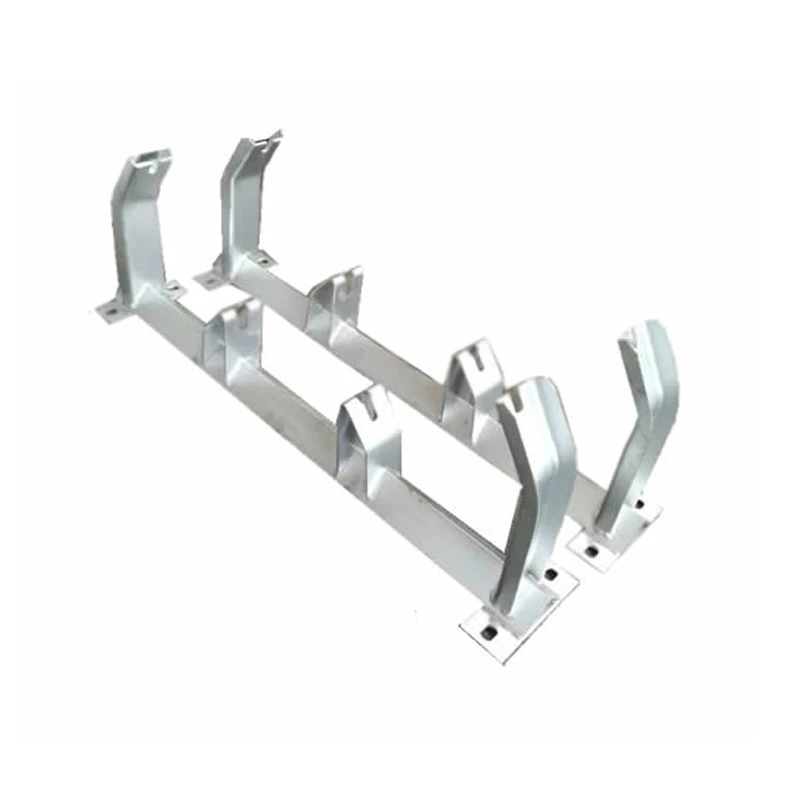
- Dimension & Design Adaptations: Rollers can be manufactured to specific diameters, lengths, shaft configurations (e.g., flattened ends, stepped shafts), and bracket designs to perfectly fit existing conveyor structures or specialized layouts. This includes customization for impact rollers, training rollers, or return rollers.
- Bearing & Seal Optimization: Selection of specific bearing brands (e.g., SKF, FAG, NTN) or types (e.g., spherical roller bearings for higher radial loads) based on application demands. Seal configurations can be adapted for extreme dust, water ingress, or chemical exposure, often involving bespoke labyrinth designs or specialized materials like fluorocarbon elastomers.
- Surface Treatments: Application of specialized coatings such as hot-dip galvanizing for marine environments, ceramic coatings for enhanced wear resistance against abrasive materials, or rubber lagging for increased friction and belt protection.
- Integration with Monitoring Systems: Customized rollers can incorporate sensors for condition monitoring (e.g., temperature, vibration), feeding data into predictive maintenance systems to prevent unexpected failures and optimize scheduling.
Engaging with a vendor capable of providing these customized solutions ensures that the steel conveyor rollers with bearings are not merely components but integral, optimized elements of a high-performance material handling system.
Application Case Studies
Real-world applications demonstrate the tangible benefits of utilizing high-quality steel conveyor rollers with bearings. These case studies highlight improved operational efficiency, reduced maintenance, and enhanced system longevity.
Case Study 1: Large-Scale Iron Ore Mining Operation
A major iron ore mine faced persistent issues with premature roller failure due to abrasive dust, heavy impact loads, and continuous operation in a remote, challenging environment. Their existing `idler conveyor roller` units had an average lifespan of just 12-18 months, leading to high replacement costs and significant downtime.
- Solution: We supplied customized heavy-duty steel conveyor rollers with bearings featuring reinforced Q345 steel shells, oversized shafts, and a patented multi-stage labyrinth seal specifically designed for extreme dust and moisture. The bearings used were premium C4 clearance, sealed-for-life units.
- Results: After 36 months of continuous operation, over 95% of the rollers were still in optimal condition, exceeding the previous lifespan by more than double. The mine reported a 40% reduction in roller-related maintenance costs and a 15% improvement in overall conveyor uptime, leading to substantial gains in productivity and profitability.
Case Study 2: Grain Export Terminal
A large grain export terminal near a coastal area experienced high rates of roller corrosion and bearing contamination from fine grain dust and salty, humid air. Standard `bearing conveyor roller` units typically failed within two years, necessitating frequent and costly replacements during peak seasons.
- Solution: We provided steel conveyor rollers with bearings made from galvanized steel, offering enhanced corrosion resistance. The sealing system was upgraded to a dual-labyrinth design with specialized chemical-resistant rubber seals. All bearings were pre-lubricated with a food-grade, corrosion-inhibiting grease suitable for the environment.
- Results: The average service life of the rollers extended to over 5 years. The terminal reported a dramatic decrease in roller-related breakdowns, particularly during critical loading periods, resulting in improved operational reliability and a significant reduction in replacement and labor costs. Customer feedback highlighted the noticeable improvement in roller longevity and stability.
Trustworthiness & Support: FAQ, Lead Time, Warranty, Customer Support
Frequently Asked Questions (FAQ):
Q: What is the typical lead time for custom steel conveyor rollers with bearings?
A: Lead times vary based on complexity and order volume. For standard configurations, typically 3-4 weeks. Customized or large orders may require 6-8 weeks, but expedited options are often available upon request.
Q: What warranty do you offer on your rollers?
A: We offer a standard 24-month warranty against manufacturing defects under normal operating conditions. Extended warranties are available for specific project requirements or high-demand applications. Our commitment to quality ensures product longevity.
Q: How do your sealing systems protect the bearings?
A: Our rollers incorporate multi-stage labyrinth seals, often featuring 5 or more distinct barriers. These non-contacting and contacting elements prevent fine dust, moisture, and chemical agents from reaching the precision bearings, significantly extending the operational life of the `idler conveyor roller` in abrasive or wet environments. This design is extensively tested to ISO and CEMA standards.
Q: Can you provide rollers that meet specific international standards like CEMA or DIN?
A: Absolutely. All our `bearing conveyor roller` products are designed and manufactured to meet or exceed relevant international standards, including CEMA, DIN, ISO, and JIS. We ensure compliance through rigorous internal testing and third-party certifications (e.g., ISO 9001 for quality management systems).
Lead Time & Fulfillment Details:
Our streamlined manufacturing processes and robust supply chain allow for efficient order fulfillment. We maintain a strategic stock of common components to expedite production. For urgent requirements, we offer express manufacturing and shipping options. Clients are provided with clear production schedules and tracking information from order confirmation to delivery.
Warranty Commitments:
Our warranty policy reflects our confidence in the quality and durability of our steel conveyor rollers with bearings. Beyond the standard warranty, our commitment includes prompt assessment and resolution of any issues that may arise. We stand by our products with comprehensive after-sales support.
Customer Support Information:
Our dedicated customer support team is available to assist with technical queries, order status, and post-sales support. We provide expert guidance on roller selection, installation best practices, and troubleshooting. Our global network of service partners ensures timely support wherever your operations are located. For immediate assistance, please refer to our contact page on our official website or reach out to your designated account manager.
References:
- International Organization for Standardization (ISO). ISO 1537: Continuous mechanical handling equipment – Belt conveyors with carrying idlers – Characteristics of idlers.
- Deutsches Institut für Normung (DIN). DIN 22107: Conveyor belts for bulk materials – Idlers and idler sets – Dimensions.
- Conveyor Equipment Manufacturers Association (CEMA). CEMA Book No. 550: Conveyor Idler Design and Application Guidelines.
- Journal of Bulk Material Handling. "Advances in Conveyor Roller Technology for Enhanced Efficiency and Durability." Vol. 15, Issue 2, 2021.
- Bearing Engineering & Technology Review. "The Impact of Sealing Systems on Bearing Life in Industrial Conveyors." 2023 Edition.