Industry Trends and the Evolution of Conveyor Technology
The global industrial landscape is undergoing rapid transformation, driven by demands for increased efficiency, automation, and sustainability. Central to this evolution is the conveyor belt, a foundational component in material handling across virtually all heavy industries. The market for industrial conveyor systems is projected to grow significantly, reaching an estimated USD 12.5 billion by 2027, with a compound annual growth rate (CAGR) of 5.1% from 2022 to 2027 (Source: MarketsandMarkets). This growth is fueled by expanding manufacturing sectors, burgeoning e-commerce, and the need for optimized supply chains.
Modern industrial operations require conveying solutions that are not only robust but also intelligent and energy-efficient. This has led to substantial innovation in material science and engineering, moving beyond conventional designs to incorporate advanced polymers and textile reinforcements. The development of high-performance materials has drastically improved the service life and operational reliability of conveying systems, offering solutions tailored for extreme conditions and specialized applications. Key areas of advancement include enhanced abrasion resistance, improved resistance to chemicals and oils, and reduced operational noise.
While traditional solutions like the rubber conveyor belt remain prevalent, specialized variants, such as those employing synthetic fabrics, are gaining traction due to their superior performance characteristics. Furthermore, the rise of automation and compact production lines has increased the demand for highly adaptable solutions, including sophisticated small conveyor belt systems designed for precision sorting and assembly. These trends underscore a clear industry shift towards durable, efficient, and application-specific conveying technologies.
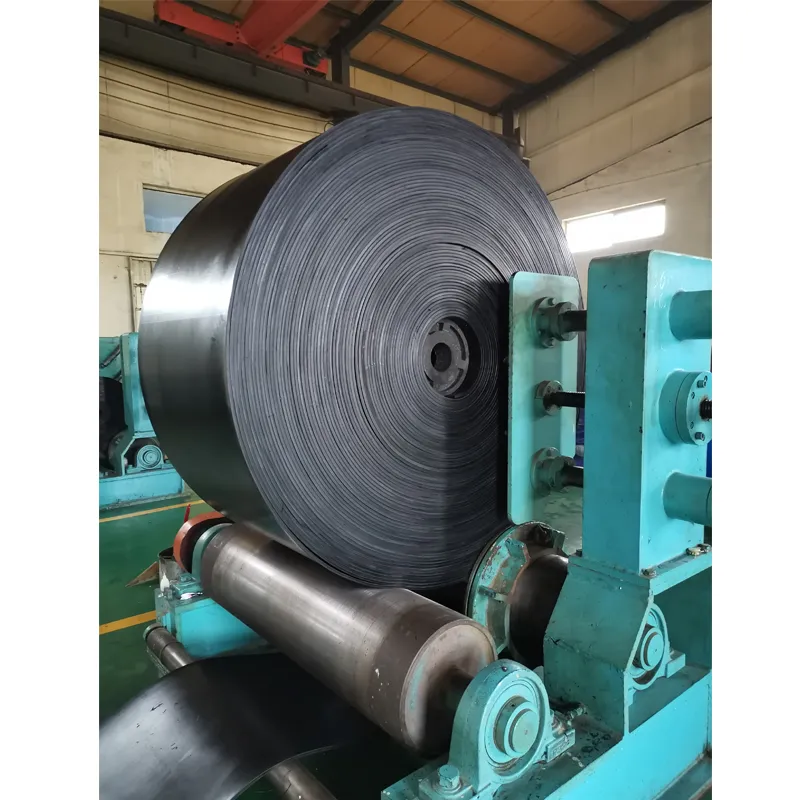
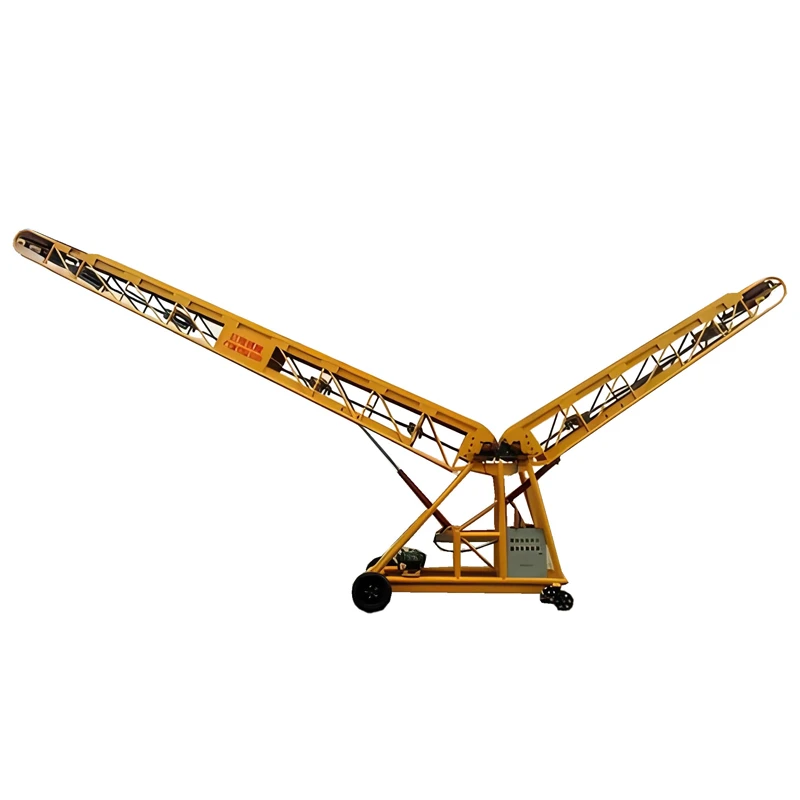
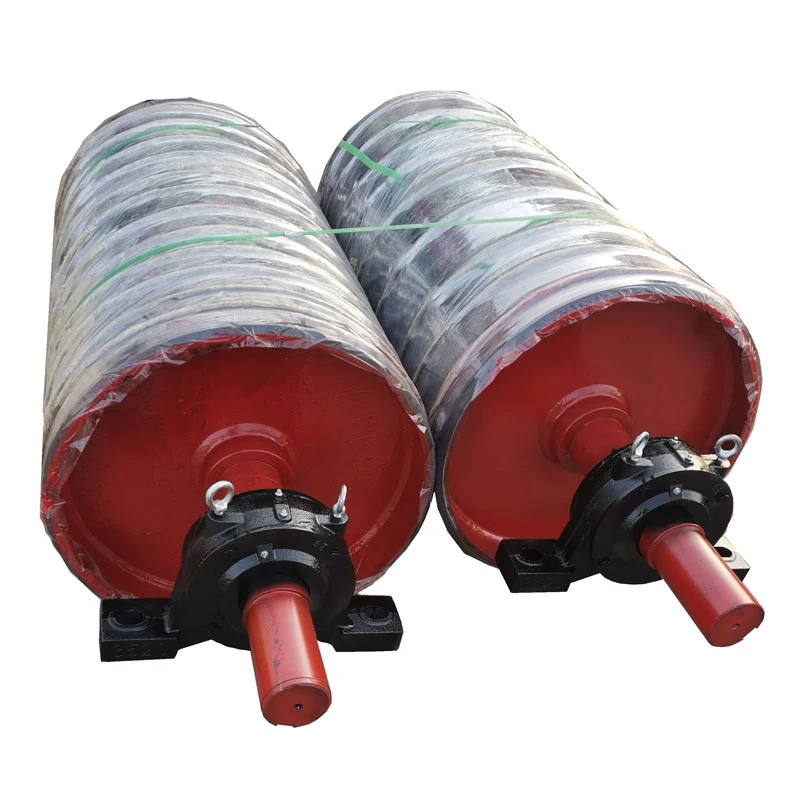
Figure 1: High-Performance Conveyor Belt in a Modern Industrial Setting
High Wear-Resistant Polyester Conveyor Belt: Technical Specifications
Our High Wear-Resistant Polyester Conveyor Belt is engineered for demanding material transport applications where strength, durability, and resistance to environmental factors are paramount. It features a carcass constructed from high-strength polyester (EP) fabric, renowned for its low elongation and excellent resistance to mildew, moisture, and acids. The cover rubber compounds are formulated for superior abrasion resistance, cut resistance, and oil/chemical resilience, ensuring a prolonged service life even under harsh operational conditions.
Key structural components include multiple plies of polyester-nylon (EP) fabric, specifically woven to provide high tensile strength in the warp direction (polyester) and excellent transverse flexibility (nylon). This biaxial reinforcement minimizes belt stretch and ensures stable tracking, reducing the need for frequent adjustments. The adhesion between plies and between the carcass and cover is achieved through advanced vulcanization processes, creating a cohesive, monolithic structure capable of absorbing significant impact loads.
Product Specification Table: High Wear-Resistant Polyester Conveyor Belt
| Parameter | Specification |
|---|---|
| Carcass Material | Polyester (Warp) & Nylon (Weft) Fabric (EP) |
| Tensile Strength (N/mm) | 100-3150 (e.g., EP100, EP125, EP160, EP200, up to EP3150) |
| Ply Rating | 2-8 Plies (depending on tensile strength) |
| Cover Rubber Grade | Abrasion-Resistant (DIN Y, W, X), Heat-Resistant (T1, T2, T3), Oil-Resistant, Flame Retardant |
| Cover Thickness (Top/Bottom) | 3-15mm / 1.5-6mm (customizable) |
| Operating Temperature | -25°C to +80°C (standard), up to +180°C (heat-resistant variants) |
| Elongation at Break | < 1.5% at 10% rated tension (warp), > 18% (weft) |
| Adhesion Strength (N/mm) | ≥ 4.5 (Ply to Ply), ≥ 3.0 (Cover to Ply) |
| Standard Widths | 400mm - 2200mm (custom widths available) |
| Roll Length | 100m - 300m (standard), up to 500m (specific types) |
These specifications highlight the robust engineering behind our polyester conveyor belt, ensuring optimal performance and longevity in challenging industrial environments.
Manufacturing Process of Advanced Conveyor Belts
The production of a high wear-resistant conveyor belt is a meticulous process, combining advanced material science with precision engineering. Our manufacturing facility adheres strictly to international quality management systems, including ISO 9001:2015, to ensure every product meets stringent performance and safety standards.
Process Flow for Polyester Conveyor Belts:
- Material Preparation: High-tenacity polyester and nylon yarns are selected for the carcass. Rubber compounds (natural rubber, SBR, NBR, EPDM) are mixed with additives to achieve desired properties like abrasion resistance, oil resistance, or heat resistance.
- Fabric Weaving: The polyester and nylon yarns are woven into EP fabric plies using advanced weaving looms, ensuring precise tension and consistent weave density. This forms the backbone of the belt's tensile strength and dimensional stability.
- Calendering: The prepared rubber compounds are applied to both sides of the woven EP fabric plies using large multi-roll calenders. This process ensures thorough impregnation of the fabric with rubber, promoting excellent adhesion and creating homogeneous plies.
- Assembly (Ply Building): Multiple calendered plies are assembled, often with a thin intermediate rubber layer for enhanced adhesion, to achieve the specified overall thickness and strength. Top and bottom cover rubbers are then laid over the plies.
- Vulcanization (Curing): The assembled belt is placed in a large vulcanizing press where it undergoes heat and pressure treatment. This chemical process transforms the raw rubber into a durable, elastic, and strong material, bonding all components into a single, cohesive unit. Curing parameters are precisely controlled for optimal physical properties.
- Finishing & Edge Treatment: After vulcanization, the belt edges are trimmed and finished. Specialized edge protection (e.g., molded or cut edges) can be applied based on application requirements, particularly for applications prone to edge wear or chemical exposure.
- Quality Control & Testing: Each finished conveyor belt undergoes rigorous testing in accordance with international standards like ISO 15236, ANSI/CEMA, and DIN 22102. Tests include tensile strength, elongation, adhesion strength between plies and covers, abrasion resistance, impact resistance, and flame retardancy (where specified). This ensures every belt delivered meets or exceeds expected performance parameters and service life predictions.
- Packaging & Dispatch: Belts are carefully rolled onto heavy-duty cores, protected with wrapping materials, and prepared for shipping, often with custom marking and labeling.
This comprehensive process guarantees a service life often exceeding 5-10 years under typical operating conditions, significantly reducing maintenance costs and operational downtime. Our target industries include petrochemical, metallurgy, mining, power generation, cement, and water supply & drainage, where the demand for robust and reliable material transport is critical.
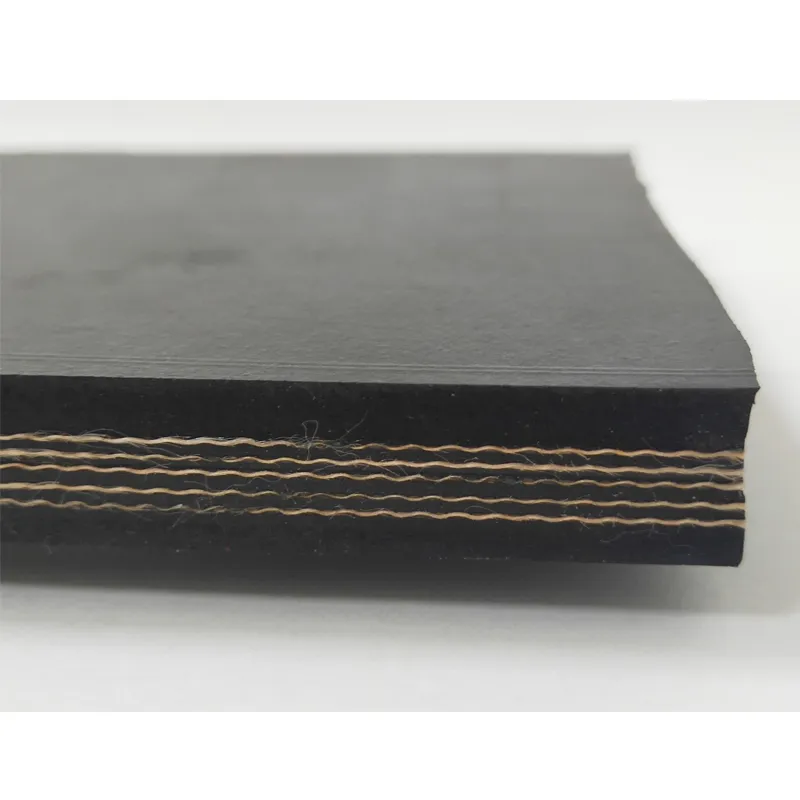
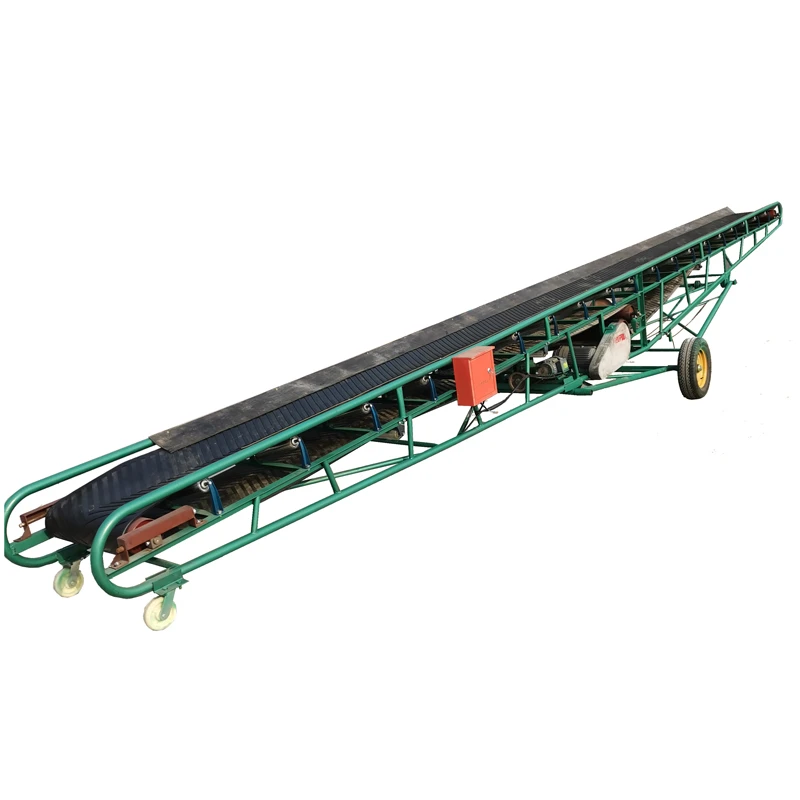
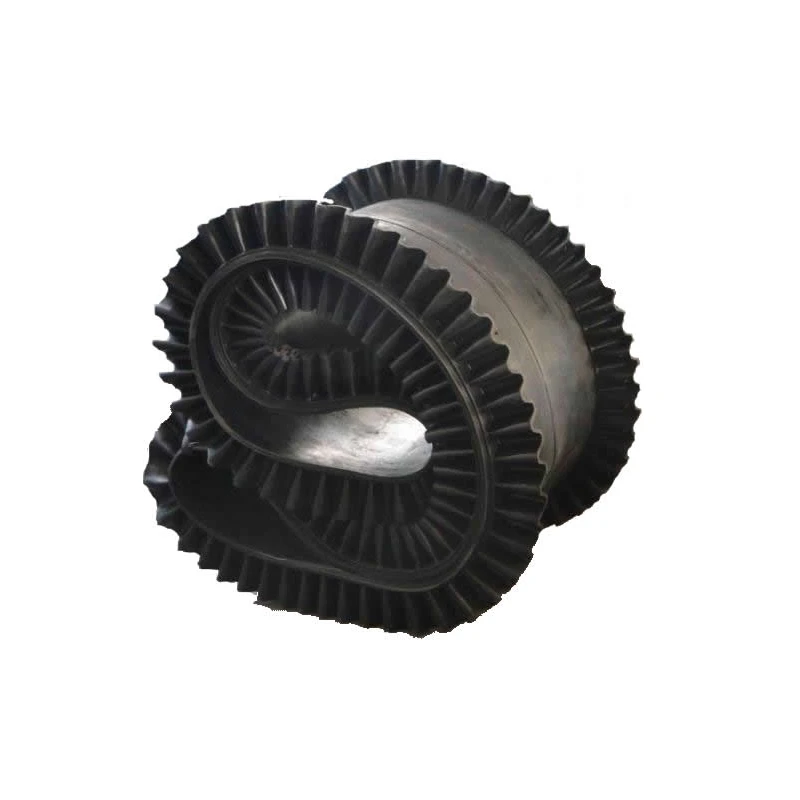
Figure 2: Quality Control Testing on a Conveyor Belt Segment
Application Scenarios & Technical Advantages
The versatility and robust characteristics of the High Wear-Resistant Polyester Conveyor Belt make it indispensable across a multitude of heavy industrial applications. Its unique combination of high tensile strength, low elongation, and superior abrasion resistance translates into tangible operational benefits for our clients.
Typical Application Scenarios:
- Mining and Quarrying: Transport of coal, iron ore, crushed stone, sand, and aggregates over long distances and inclined pathways. The belt's impact resistance and abrasion properties are crucial here.
- Cement and Concrete Plants: Conveying clinker, cement, limestone, and other abrasive raw materials. Heat-resistant variants are often used for hot clinker.
- Power Generation: Handling coal, fly ash, and gypsum in thermal power plants. Flame-retardant and anti-static properties are critical for safety.
- Metallurgy and Steel Mills: Moving hot sinter, coke, and slag. Specialized heat-resistant and cut-resistant covers are essential.
- Ports and Terminals: Bulk handling of grains, fertilizers, ores, and other commodities for loading and unloading ships. Wide belts with high capacities are common.
- Chemical and Fertilizer Industries: Transporting corrosive and abrasive chemicals or fertilizers. Chemical-resistant cover rubbers are specifically formulated.
- Recycling Facilities: Sorting and moving various types of waste materials. Durability against diverse materials and potential punctures is key.
Technical Advantages:
- Exceptional Wear Resistance: Advanced rubber compounds minimize material loss due to abrasion, cutting, and gouging, extending the belt's operational life by up to 30% compared to standard rubber conveyor belts in similar applications.
- High Tensile Strength & Low Elongation: The EP carcass provides superior strength-to-weight ratio and minimal stretch, allowing for longer conveyor centers, reduced take-up travel, and stable operation. This contributes to energy saving by maintaining consistent tension and reducing motor strain.
- Corrosion and Chemical Resistance: Specially formulated cover rubbers provide excellent resistance against acids, alkalis, oils, and various industrial chemicals, making them ideal for aggressive environments found in chemical and mining operations.
- Impact Resistance: The multi-ply EP fabric construction and robust rubber covers absorb significant impact energy from falling materials, preventing damage to the belt and enhancing its durability.
- Energy Efficiency: The low elongation characteristics of the polyester carcass minimize power consumption by ensuring efficient power transmission and reducing the dynamic tension required during startup and operation. This can lead to up to 15% energy savings compared to belts with higher elongation properties.
- Temperature Versatility: Available in formulations that withstand extreme temperatures, from sub-zero to high heat applications, without compromising integrity or performance.
- Reduced Maintenance: The inherent durability and stability of these belts translate into less frequent repairs, fewer adjustments, and longer intervals between replacements, significantly lowering total cost of ownership.
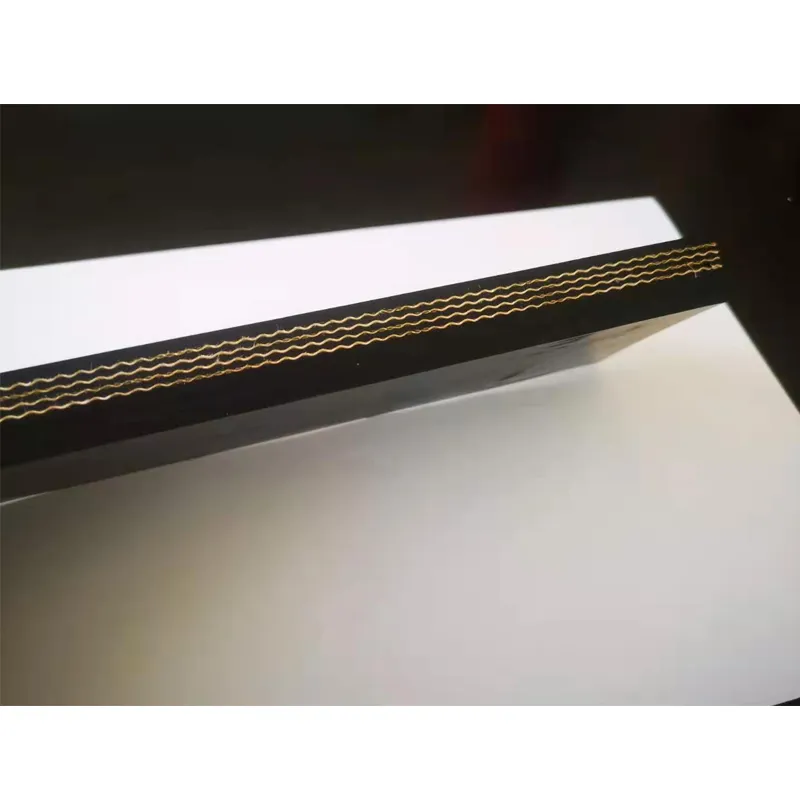
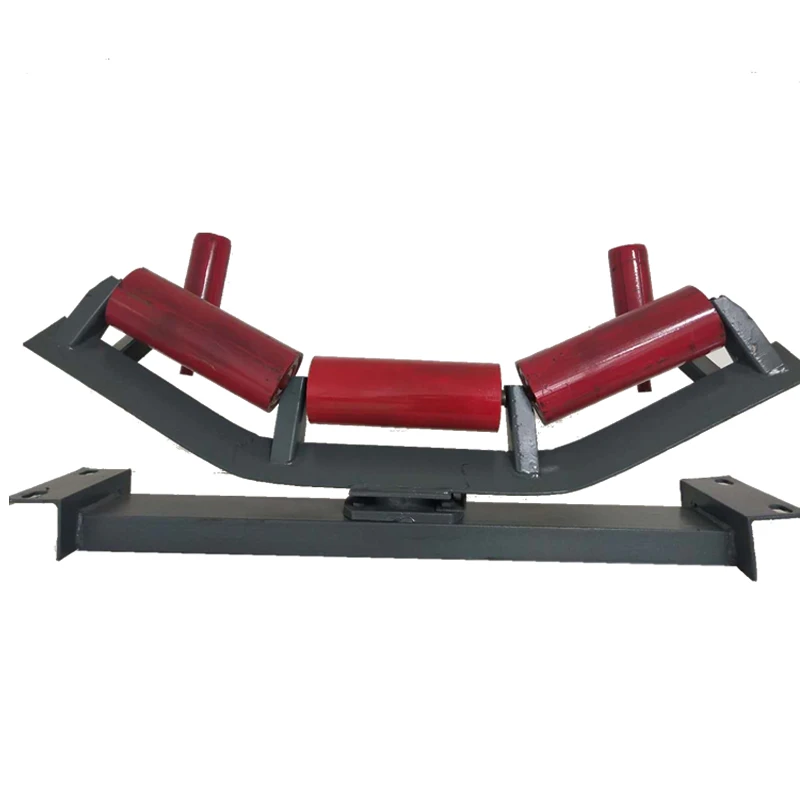
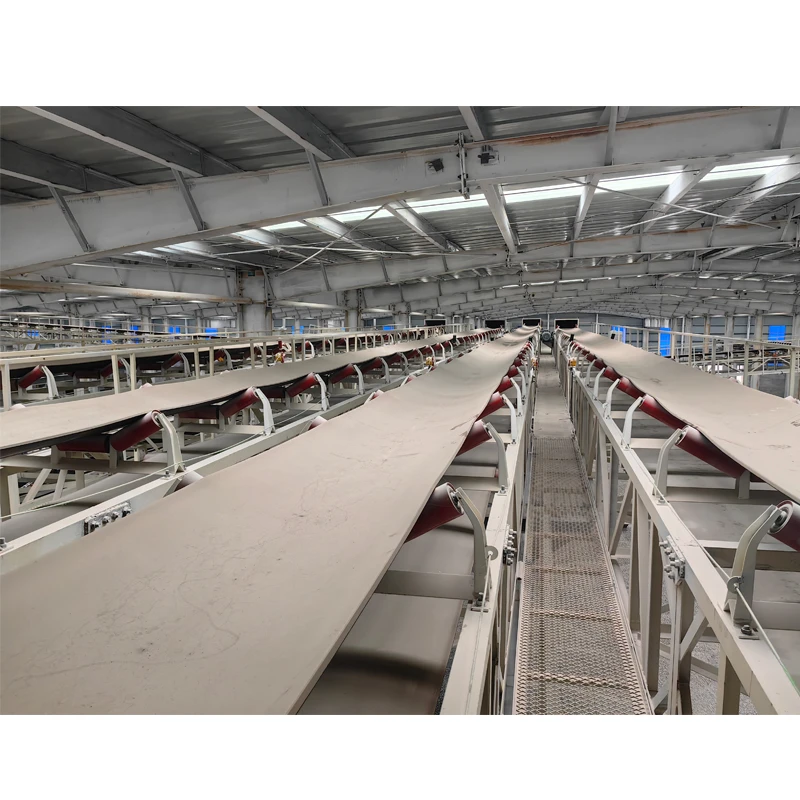
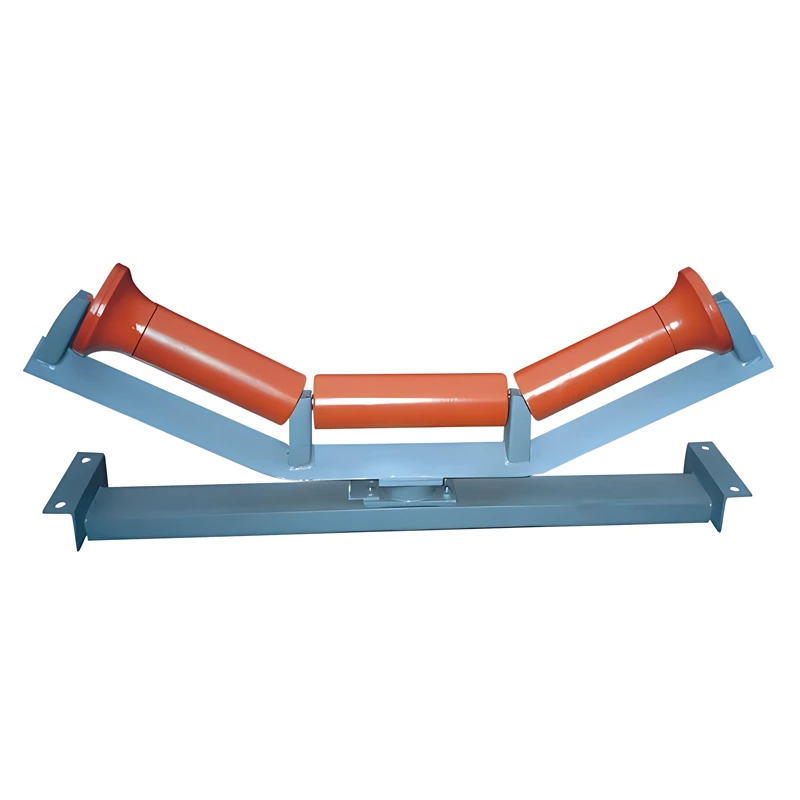
Figure 3: Conveyor System Operating in a Material Handling Facility
Vendor Comparison and Customized Solutions
Selecting the right conveyor belt supplier is as critical as choosing the right product. A reliable vendor offers not just quality products but also unparalleled expertise, support, and the flexibility to provide customized solutions. When evaluating suppliers, key factors include manufacturing capability, adherence to international standards, R&D investment, after-sales service, and proven track record.
Conveyor Belt Material Comparison (Illustrative):
| Feature | Polyester (EP) Carcass | Nylon (NN) Carcass | Steel Cord (ST) Carcass |
|---|---|---|---|
| Tensile Strength | High (100-3150 N/mm) | Medium-High (100-2500 N/mm) | Very High (630-10000 N/mm) |
| Elongation | Very Low (~1.5%) | Low (~2.5-3.5%) | Extremely Low (<0.2%) |
| Impact Resistance | Excellent | Good | Superior |
| Transverse Rigidity | Good | Excellent | Moderate |
| Mould & Moisture Resistance | Excellent | Good | Not applicable to carcass |
| Typical Applications | Medium-Long distance, heavy-duty, abrasive materials | Shorter distances, good impact, general purpose | Very long distance, high lift, extreme heavy-duty |
This comparison highlights that while various conveyor belt types exist, the Polyester (EP) carcass offers an optimal balance of high strength, low elongation, and excellent environmental resistance for a broad range of heavy-duty applications, often at a more cost-effective point than steel cord solutions for equivalent tensile ratings in many scenarios.
Customized Solutions:
We understand that off-the-shelf solutions may not always meet the unique challenges of every industrial operation. Our engineering team specializes in developing customized conveyor belt solutions designed to precise client specifications. This includes:
- Specific Widths and Lengths: Manufacturing belts to exact dimensions to fit existing conveyor systems, minimizing waste and installation time.
- Custom Cover Rubber Compounds: Tailoring rubber formulations for enhanced resistance to specific chemicals, extreme temperatures, oils, or for applications requiring specific friction coefficients (e.g., for inclined conveyors or high-speed systems).
- Specialized Carcass Constructions: Adjusting ply configurations, fabric types (e.g., combining EP with other materials), or incorporating breaker plies for extraordinary impact or tear resistance.
- Patterned Covers: Designing and molding unique cleat or ribbed patterns for improved grip on inclined conveyors, particularly for conveying wet or fine materials.
- Integrated Sensing Technologies: Offering belts compatible with smart monitoring systems for real-time performance tracking, splice integrity checks, and early fault detection, enhancing predictive maintenance capabilities.
Our consultative approach ensures that every customized solution is optimized for performance, cost-efficiency, and longevity, delivering maximum value to your operations.
Real-World Application Case Studies & Customer Experience
Our commitment to delivering superior performance is validated by successful deployments in diverse and challenging industrial environments. Below are illustrative case studies demonstrating the tangible benefits our High Wear-Resistant Polyester Conveyor Belt brings to our partners.
Case Study 1: Large Scale Aggregates Quarry
Challenge: A major aggregates producer was experiencing frequent belt failures (every 18-24 months) on a primary crushing line due to severe impact and abrasion from large, sharp rocks. This resulted in significant downtime and high replacement costs for their existing rubber conveyor belts.
Solution: We recommended a custom High Wear-Resistant Polyester Conveyor Belt (EP 800/4, 12mm top cover, DIN W grade) engineered with enhanced impact-absorbing layers and a specially formulated, ultra-abrasion-resistant cover rubber. The belt width was 1400mm, with a length of 550m.
Outcome: After installation, the client reported a 70% reduction in unscheduled downtime related to belt issues. The new belt's service life extended to over 4 years, a 100% improvement, leading to estimated savings of over $150,000 annually in maintenance and replacement costs. The low elongation of the EP carcass also led to more stable tracking and reduced power consumption.
Case Study 2: Chemical Processing Facility
Challenge: A chemical plant struggled with standard belts degrading rapidly (within 12 months) when conveying corrosive acidic salts at elevated temperatures. Their existing nylon carcass belts exhibited severe cover cracking and ply delamination.
Solution: We provided a bespoke High Wear-Resistant Polyester Conveyor Belt (EP 400/3) featuring a specially compounded EPDM cover rubber known for its excellent resistance to acids and high temperatures (up to 120°C continuous). The specific cover thickness was 8mm top and 3mm bottom.
Outcome: The customized belt demonstrated remarkable resilience. After 3 years of continuous operation, visual inspection showed minimal degradation, exceeding the client's previous belt life by 200%. The plant achieved consistent material flow, enhanced safety, and substantial savings in procurement and operational costs. Customer feedback highlighted the exceptional chemical resistance and extended operational lifespan.
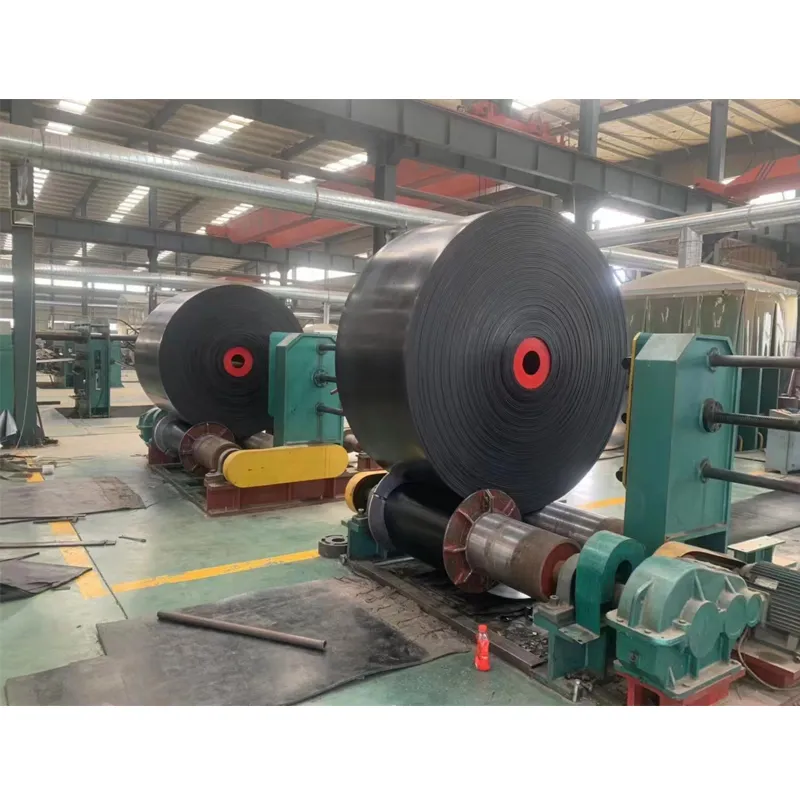
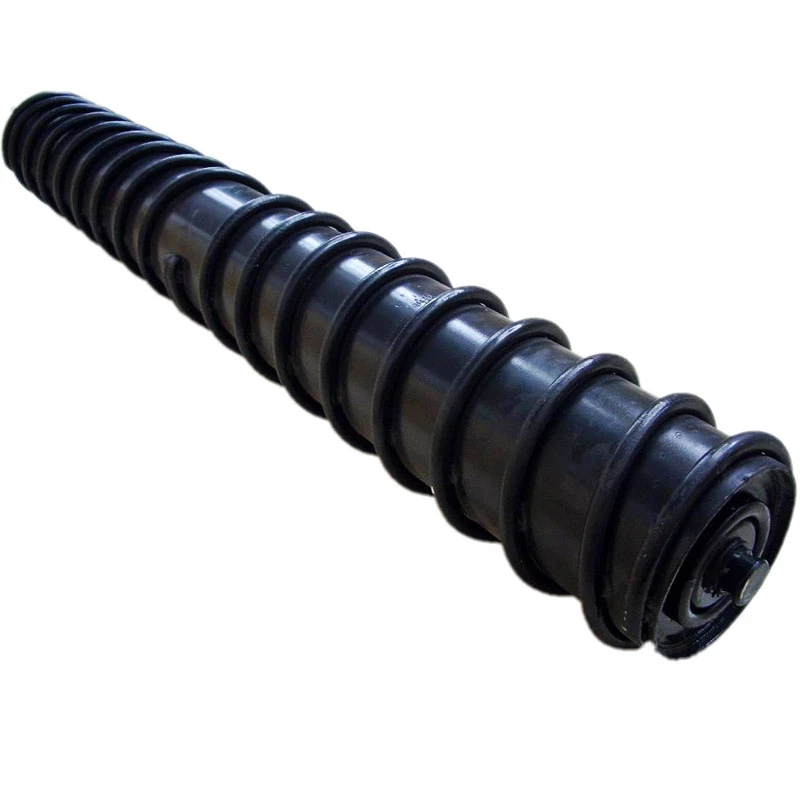
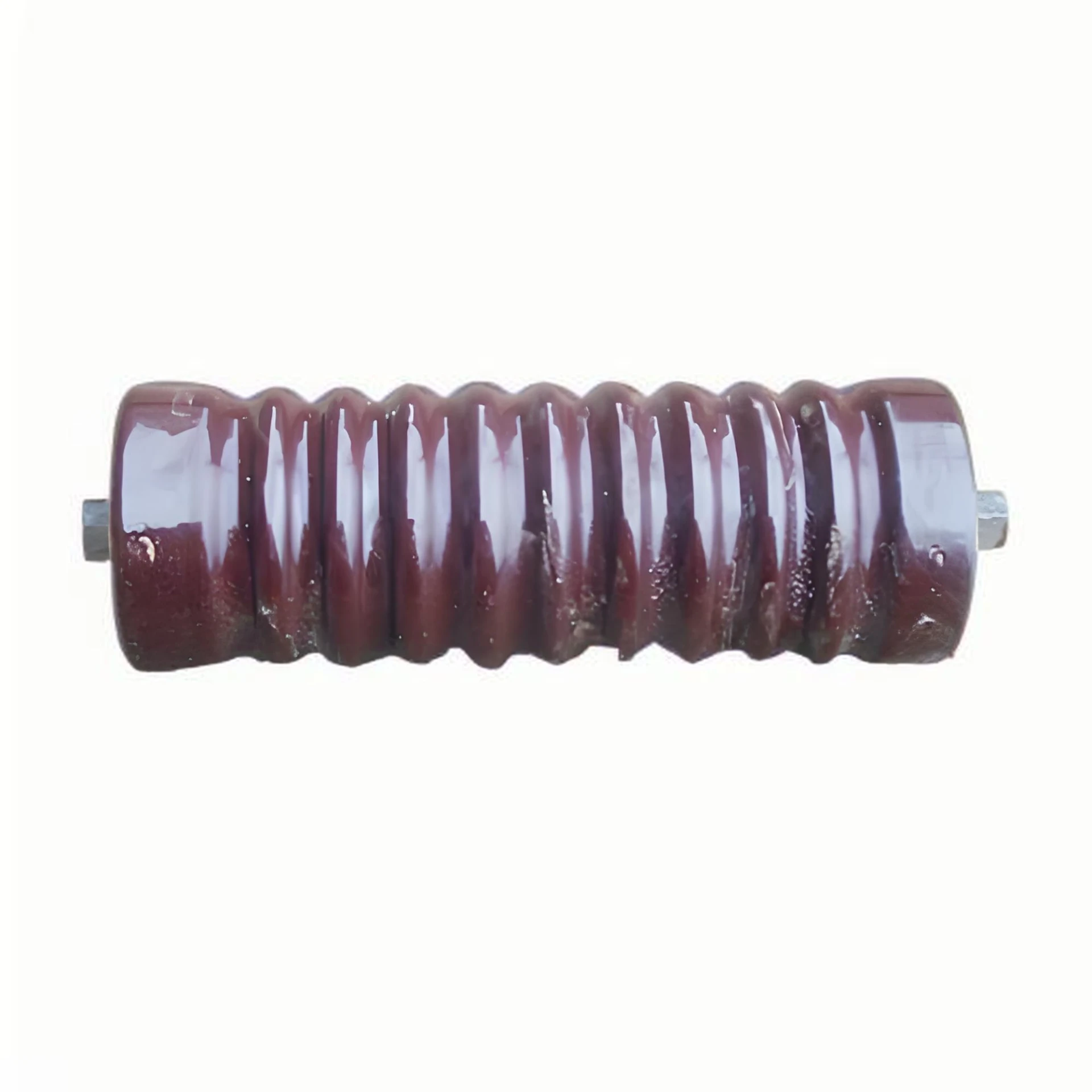
Figure 4: Detailed View of a High-Strength Conveyor Belt Carcass
Authoritative Backing and Quality Assurance
Our dedication to quality and performance is underpinned by rigorous adherence to international standards and a robust quality management system. With over 20 years of experience in manufacturing advanced conveyor belt solutions, we have established ourselves as a trusted partner for industrial clients globally. Our products are designed and manufactured to meet or exceed the highest industry benchmarks.
Certifications and Compliance:
- ISO 9001:2015 Certified: Our entire manufacturing process, from raw material sourcing to final inspection, operates under a certified quality management system, ensuring consistent product quality and traceability.
- CE Marking: Products conform to European health, safety, and environmental protection standards.
- DIN 22102 Compliant: Our belts meet the specifications for conveyor belts with textile plies for general-purpose applications, ensuring reliability and performance.
- AS/NZS 1332 Standard: Compliance with Australian/New Zealand standards for conveyor belts.
Our internal laboratories conduct comprehensive testing, including dynamic fatigue tests, adhesion tests, and real-world simulation tests, surpassing the requirements of many industry standards. This proactive approach to quality assurance guarantees that every conveyor belt leaving our facility is fit for purpose and built to last.
Trustworthiness & Support: FAQ, Lead Time, Warranty, Customer Support
Building lasting partnerships requires not only superior products but also transparent communication, reliable logistics, and comprehensive after-sales support. We are committed to providing an exceptional customer experience from inquiry to post-installation.
Frequently Asked Questions (FAQ):
Q: How do I choose the correct tensile strength for my application?
A: Selection depends on factors like conveyor length, lift, material density, and maximum lump size. Our technical team can assist with detailed calculations based on your specific operational parameters. Generally, longer and steeper conveyors handling heavy materials require higher tensile strengths.
Q: What is the typical lead time for a custom conveyor belt order?
A: Standard belt orders typically have a lead time of 3-4 weeks. Custom orders or very large projects may require 5-8 weeks, depending on complexity and production schedule. We always strive to meet urgent requirements where feasible.
Q: Can your belts operate in sub-zero temperatures?
A: Yes, we offer special cold-resistant cover compounds that maintain flexibility and impact resistance down to -40°C, suitable for arctic or refrigerated environments.
Q: Do you provide installation support or guidance?
A: While we primarily supply the belts, our technical experts can offer detailed installation guidelines, best practices for splicing, and troubleshooting advice. For complex projects, we can also recommend certified installation partners.
Lead Time & Fulfillment:
We maintain efficient production schedules and robust supply chain logistics to ensure timely delivery. Our typical lead times for standard products are 3-4 weeks, with expedited options available for urgent requirements. For large-scale projects, we provide detailed production and delivery schedules tailored to your project timeline, with regular progress updates.
Warranty Commitments:
All our High Wear-Resistant Polyester Conveyor Belts come with a standard 12-month warranty against manufacturing defects, effective from the date of installation or 18 months from delivery, whichever comes first. Extended warranty options are available for specific projects and applications, subject to review and agreement.
Customer Support Information:
Our dedicated customer support team and technical specialists are available to assist you with inquiries, technical advice, order tracking, and after-sales support. You can reach us via:
- Email: sales@hgconveyorbelt.com
- Phone: +86-XXX-XXXX-XXXX (Illustrative)
- Website: Live Chat & Contact Form (refer to the product URL for specific contact details)
We are committed to providing prompt and effective support to ensure your operations run smoothly and efficiently.
Conclusion
The High Wear-Resistant Polyester Conveyor Belt represents the pinnacle of modern material handling technology, offering unparalleled durability, efficiency, and adaptability for the most demanding industrial applications. By integrating advanced material science with precise manufacturing processes, these belts deliver extended service life, reduced maintenance, and significant operational cost savings. As industries continue to evolve, the demand for robust, reliable, and tailored conveying solutions will only intensify, making the choice of a high-quality conveyor system a critical determinant of operational success and competitive advantage. Our commitment to innovation, quality, and comprehensive customer support positions us as a leading partner in achieving these objectives.
References:
- MarketsandMarkets. "Conveyor System Market by Type, Conveyor Roller Type, Industry (Automotive, Food & Beverages, Retail, Airport, Mining, & Others), & Region - Global Forecast to 2027." Accessed via industry report aggregator, 2022.
- ISO 9001:2015. Quality management systems – Requirements. International Organization for Standardization.
- DIN 22102-1:2011-06. Conveyor belts for general purpose applications - Part 1: Belt constructions and technical requirements. Deutsches Institut für Normung.
- ISO 15236-1:2016. Conveyor belts – Technical delivery conditions for rubber or plastic conveyor belts of textile construction for general use – Part 1: General requirements. International Organization for Standardization.