Mini Conveyor Belt for Sale: Small But Mighty Movers in Modern Industry
At first glance, mini conveyor belts might not seem to wield much power—after all, they're the small scale siblings in the vast conveyor system family. But these little workhorses punch well above their weight. Whether in bustling factories, remote agriculture processing spots, or humanitarian relief hubs, the mini conveyor belt for sale emerges as an unsung hero streamlining workflows and cutting down manual labor. Understanding their value, design, and applications can transform how businesses approach material handling worldwide.
Global Context: Why Mini Conveyor Belts Matter More Than Ever
Transporting goods efficiently is a cornerstone of global industry and logistics. According to the International Organization for Standardization (ISO), conveyors contribute significantly to productivity gains across manufacturing sectors (ISO 22768:2019). As markets look to optimize space, reduce costs, and improve safety, compact and adaptable mini conveyors become increasingly popular. The UN’s Sustainable Development Goals emphasize responsible production and innovation — areas where streamlining material movement plays a key role.
Yet, small-scale operations often struggle because bulky traditional conveyor systems don’t fit or are too costly. This is where the mini conveyor belts’ ability to bridge gaps becomes a game changer, especially in tight spaces or mobile setups.
What Exactly Is a Mini Conveyor Belt?
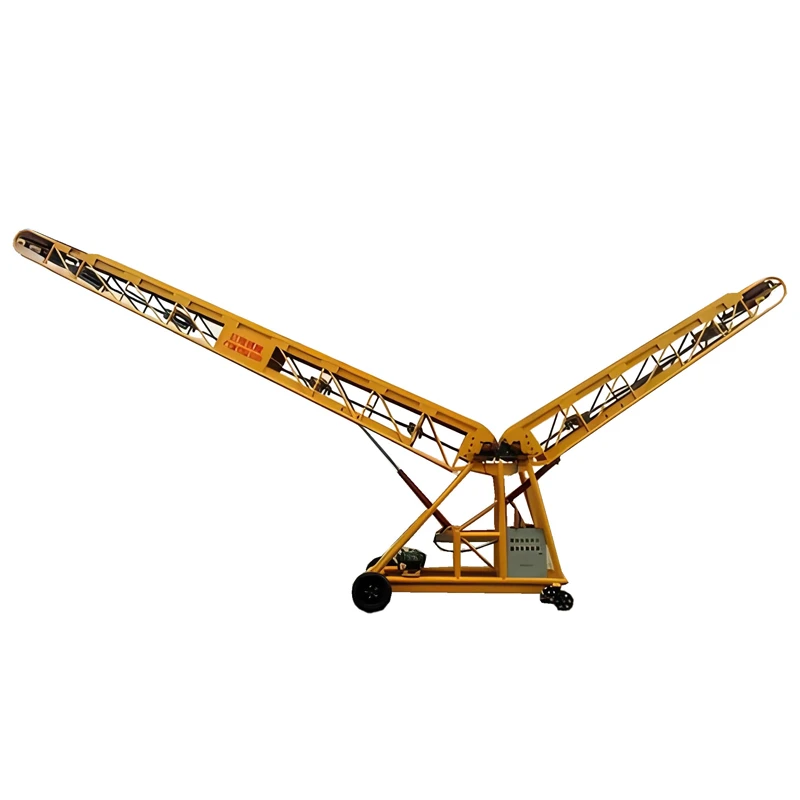
Simply put, a mini conveyor belt is a compact, mechanized belt system designed to transport small to medium-sized loads over short to moderate distances. These systems come ready for easy installation and are commonly available for sale worldwide with a variety of customizable features. They serve as tiny but mighty assembly line helpers, packaging aides, or sorting stations.
Interestingly, they also help humanitarian aid organizations rapidly move supplies in camps or disaster zones, where space and resources are limited but urgent action is needed.
Core Components and Key Factors Behind Mini Conveyor Success
1. Durability – Built to Last
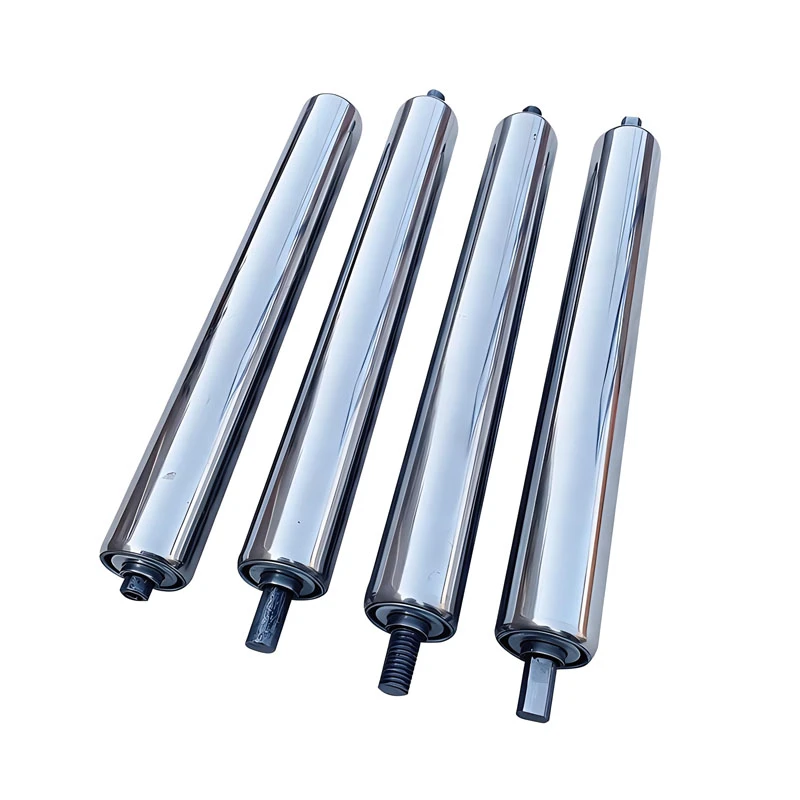
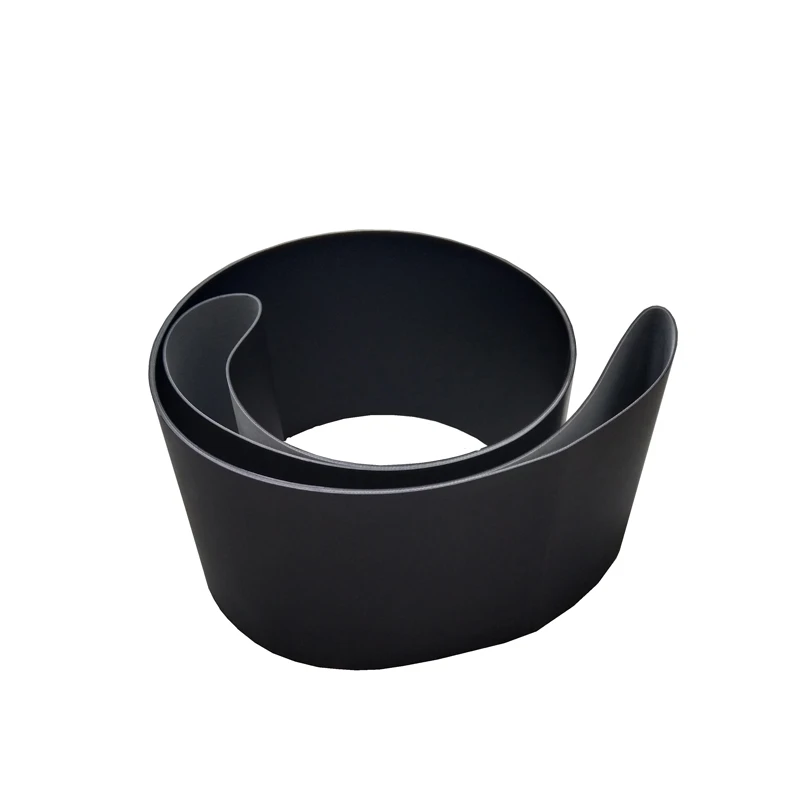
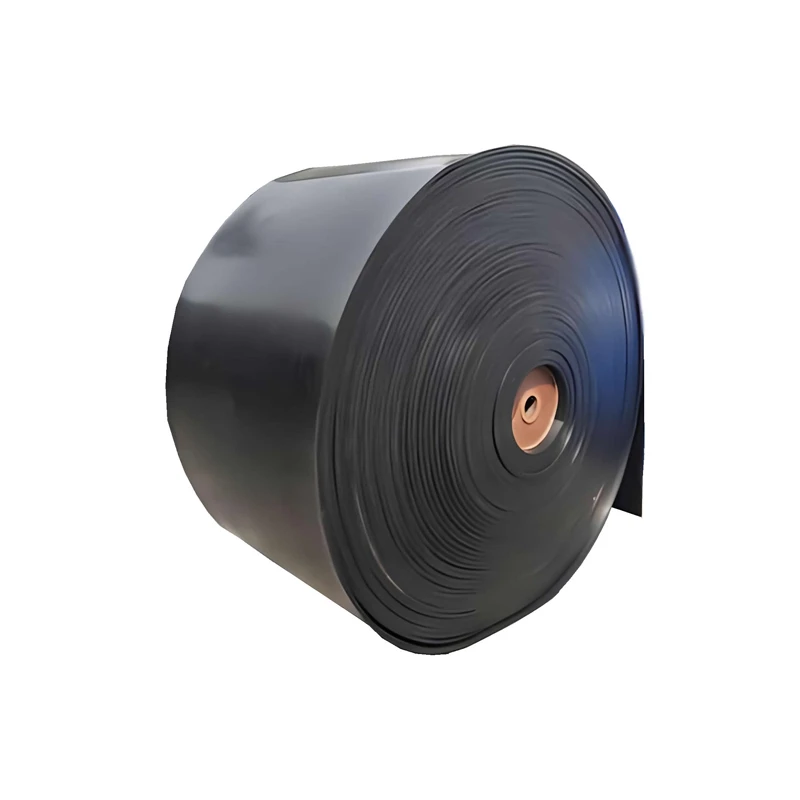
Even though they’re smaller, these belts often work in demanding industrial environments. Materials like PVC and rubber blends for belts, combined with corrosion-resistant steel framing, make durability a fundamental feature. Manufacturers often test belts for wear and tear to meet ISO standards ensuring long service lives.
2. Scalability and Modular Design
Many mini conveyor belts come in modular segments, allowing users to add or rearrange belts as their needs evolve. This scalability is surprisingly handy: a simple expansion can turn a small sorting line into a mid-sized packaging solution without a full redesign.
3. Cost Efficiency
Compared to large conveyor systems, mini conveyor belts require lower upfront investment and consume less energy. For startups and SMEs especially, this means a more manageable capital expenditure and quicker payback periods.
4. Flexibility and Portability
Because of their lightweight frames and compact size, many mini conveyor belts can be moved or deployed rapidly — a boon for temporary workstations or mobile setups (think pop-up factories or field work).
5. Safety Features
Modern mini conveyors often include integrated emergency stops, guarded edges, and ergonomic designs to reduce risk, which is vital when operating in cramped or busy environments.
Worldwide Applications of Mini Conveyor Belts: Real-World Examples
From Asia’s electronics assembly plants to Europe’s automated warehouses, mini conveyor belts play versatile roles:
- Manufacturing: Small parts assembly for electronics, pharmaceuticals, and consumer goods often rely on compact conveyors to shuttle components between workstations.
- Agriculture: In remote or small-scale farms, mini conveyors assist in sorting or moving produce like fruits and nuts, minimizing manual strain.
- Humanitarian Relief: NGOs utilize portable mini conveyor systems during disaster relief to expedite supply distribution when every second counts.
- Logistics and Packaging: Sorting centers leverage these belts for fast, accurate parcel handling within constrained space.
In fact, post-disaster relief operations in Southeast Asia have noted significant efficiency boosts by deploying adaptable mini conveyor units in makeshift warehouses — a story that often goes under the radar, but well worth knowing.
Mini Conveyor Belt for Sale: Specification Table
| Specification | Standard Model X1 | Heavy Duty Model H5 |
|---|---|---|
| Belt Width | 300 mm | 500 mm |
| Load Capacity | 20 kg | 50 kg |
| Speed Range | 0.1 – 0.5 m/s | 0.1 – 1.0 m/s |
| Frame Material | Aluminum Alloy | Stainless Steel |
| Power Consumption | 150 W | 300 W |
How Mini Conveyor Sellers Stack Up: Vendor Comparison
| Vendor | Price Range | Customization | Delivery Time | Warranty |
|---|---|---|---|---|
| HGC Conveyors | $800–$2,500 | High (modular options) | 2–4 weeks | 2 years |
| MiniMovers Ltd. | $700–$1,800 | Medium (predefined models) | 3–5 weeks | 1 year |
| ConveyXpress | $900–$2,200 | Low (limited options) | 1–3 weeks | 1 year |
Advantages and Long-Term Value of Mini Conveyor Belts
At the heart of the mini conveyor belt for sale offering is a mixture of tangible and subtle benefits. Practically speaking, these belts save manpower and boost throughput, which directly impacts profitability. On the sustainability front, their lower power consumption compared to large conveyors supports greener operations.
From the emotional angle, reducing heavy lifting means a safer workplace and fewer injuries — a huge win in industries where manual handling is a risk. And there’s something to be said about technology fostering trust. When your team sees efficient, reliable equipment, it’s a subtle morale booster.
The Future of Mini Conveyor Belts: What’s Next?
Looking ahead, mini conveyor belts will not just move items faster but smarter. With automation and IoT integration creeping into smaller-scale conveyors, operators can expect predictive maintenance alerts and real-time efficiency analytics soon. Eco-friendly materials, like bio-based belts, are in early testing phases, promising greener footprints.
Likewise, as Industry 4.0 adoption spreads, expect these mini systems to become smarter companions in agile manufacturing setups, responding dynamically to production changes.
Challenges in Mini Conveyor Belt Usage — and How to Overcome Them
No product is perfect, right? Mini conveyors sometimes face load capacity limitations and wear issues if overloaded or poorly maintained. Additionally, integration with larger facility systems can be a technical headache.
Experts advise tailored capacity planning and routine checks, plus working with vendors offering customizable, modular units eases integration pains. Training operators on safe and correct usage brings better outcomes too.
FAQ: Your Mini Conveyor Belt Questions Answered
Q1: What industries benefit most from mini conveyor belts?
A1: Small to medium-sized manufacturing, packaging, agriculture sorting, and humanitarian aid sectors benefit due to their space-saving, portable nature and adaptability to various tasks.
Q2: How customizable are mini conveyor belts?
A2: Many suppliers offer modular designs allowing belt width, length, and speed adjustments. Custom options may include different frame materials or belt types to fit specific applications.
Q3: Are mini conveyor belts energy-efficient?
A3: Yes, they typically consume less power than larger conveyors due to their size and often use energy-saving motors, making them ideal for cost- and eco-conscious users.
Q4: Can mini conveyor belts be easily relocated?
A4: Absolutely—they are designed with portability in mind. Lightweight frames, caster wheels, and quick-assembly mechanisms support mobile or temporary setups.
Q5: What maintenance is required?
A5: Regular cleaning, belt tension adjustments, inspection of motor function, and lubrication of moving parts usually suffice to keep mini conveyors running optimally.
In Conclusion: Small Devices with Big Impact
Wrapping it up, investing in a mini conveyor belt for sale isn’t just about buying a piece of equipment; it’s about empowering workflows with compact, smart, and sustainable tools. They optimize labor, reduce risks, and give flexible solutions both emerging and established industries desperately need.
If you’re ready to explore dependable, customizable mini conveyor systems, don’t hesitate to check out our offerings at https://www.hgconveyorbelt.com. Whether you want to bolster your production line or streamline material movement in challenging environments, a mini conveyor belt might just be your next best investment.