What Are Builders Conveyor Belts and Why Do They Matter Globally?
If you’ve ever watched a construction site, noticed the predictable hum of machines moving materials up and down, or seen a row of perfectly stacked bricks being whisked away, you've probably glimpsed a builders conveyor belt in action. But beyond those dusty sites and noisy machines, these conveyor belts quietly underpin a huge slice of global industry—boosting productivity, safety, and efficiency at scale.
Worldwide, the construction sector alone contributes nearly 13% of global GDP (World Bank). Efficient material handling systems like builders conveyor belts aren’t just conveniences; they reduce labor injuries, accelerate projects, and support sustainable resource use. With urbanization and infrastructure demands soaring, understanding and accessing quality builders conveyor belts for sale is especially important.
Takeaway: Builders conveyor belts are not merely equipment; they form an essential backbone for modern construction, helping entire economies advance safely and swiftly.
The Global Context: Builders Conveyor Belts in Industry and Recovery
The ubiquity of builders conveyor belts has only intensified over the past decade. According to the ISO’s technical reports on conveyor systems, conveyor belts optimized for construction environments have significantly reduced downtime in many regions. For fast-growing urban hubs—from Mumbai to Mexico City—these belts represent more than just speed; they embody reliability.
But the story is even more urgent in post-disaster and humanitarian contexts. Agencies deploying emergency shelters or rebuilding following earthquakes or floods rely heavily on such equipment to move large volumes of building materials quickly and safely. Effectively, a builders conveyor belt becomes a lifeline—not just a convenience.
One challenge remains: access. Finding trustworthy builders conveyor belts for sale that can withstand tough environments while matching budget constraints is not straightforward. This is true worldwide but especially in developing countries where the demand is rising fastest.
Mini takeaway: Builders conveyor belts play a quiet yet critical role both in booming cities and in urgent relief work—highlighting their global importance beyond just construction yards.
Builders Conveyor Belts Explained: Simple but Mighty Tools
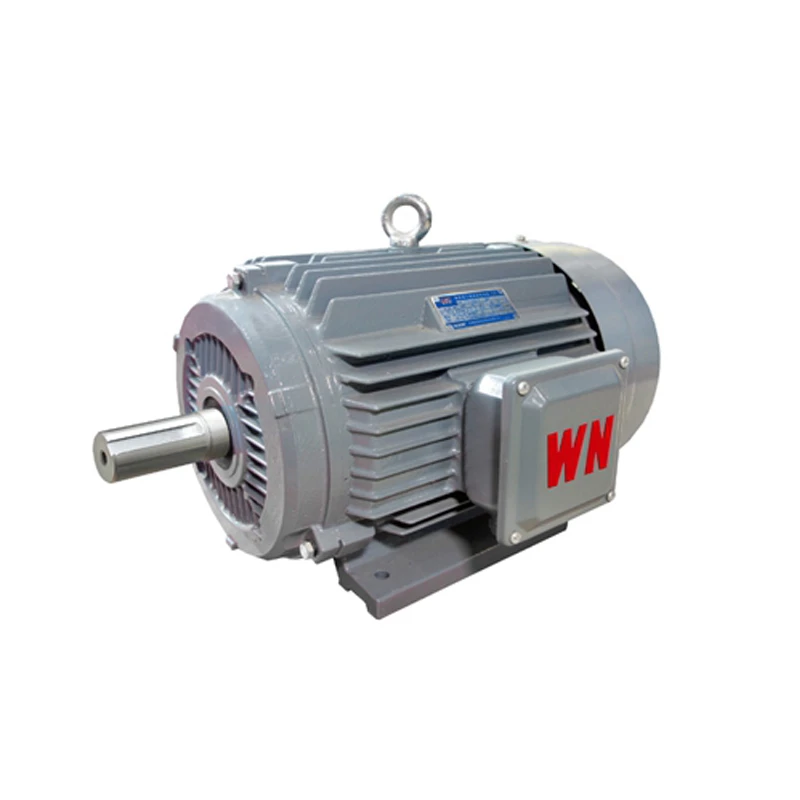
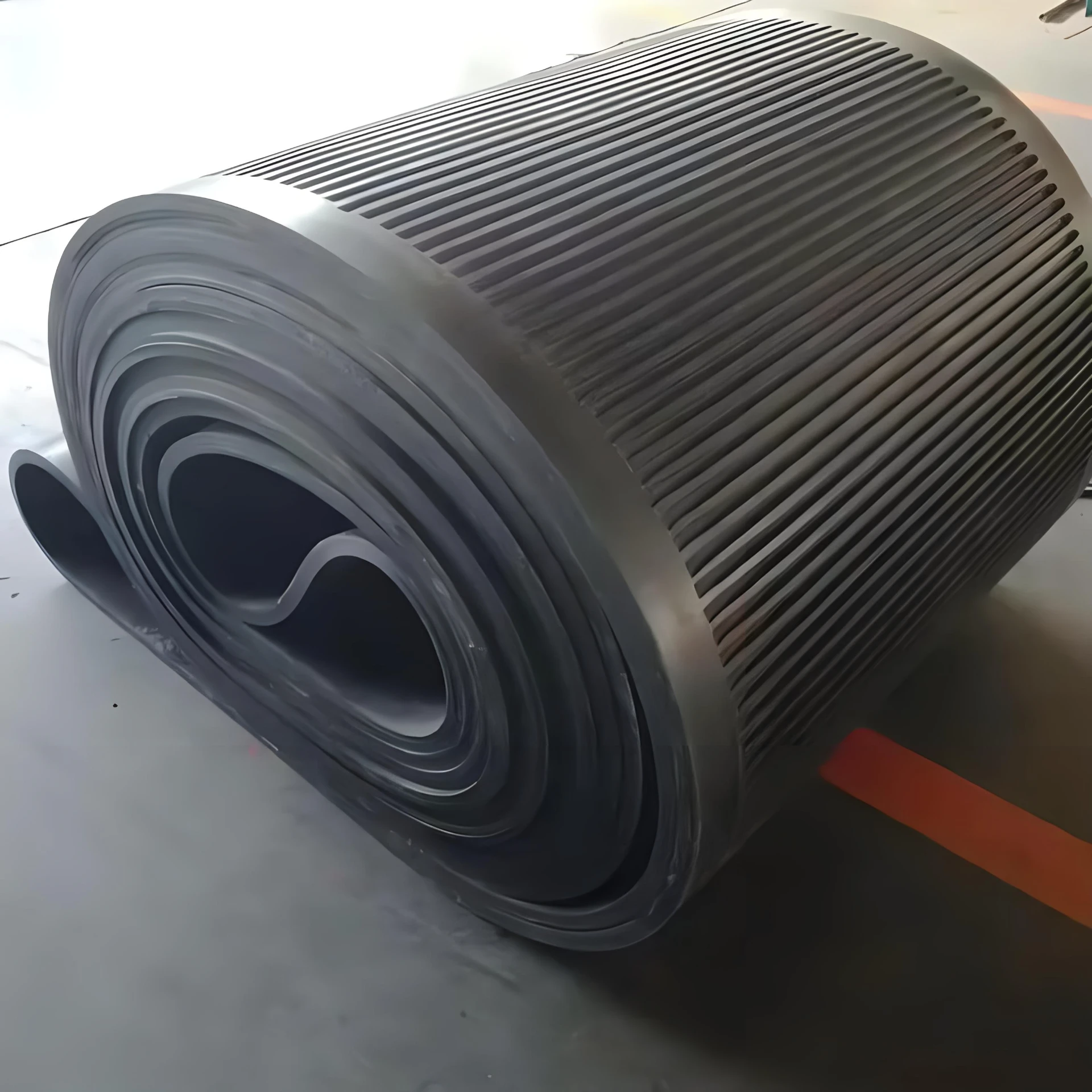
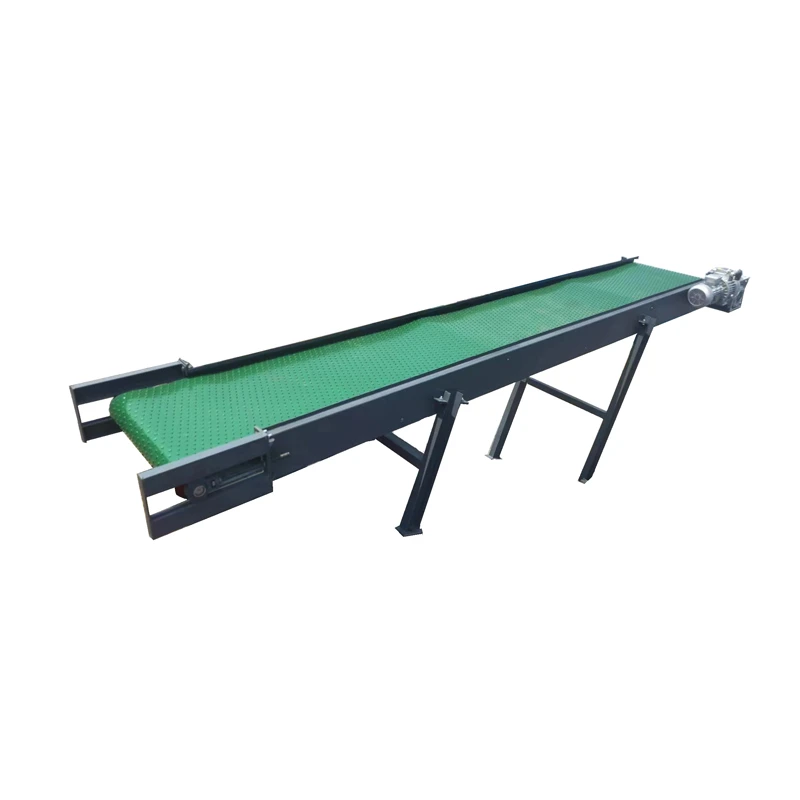
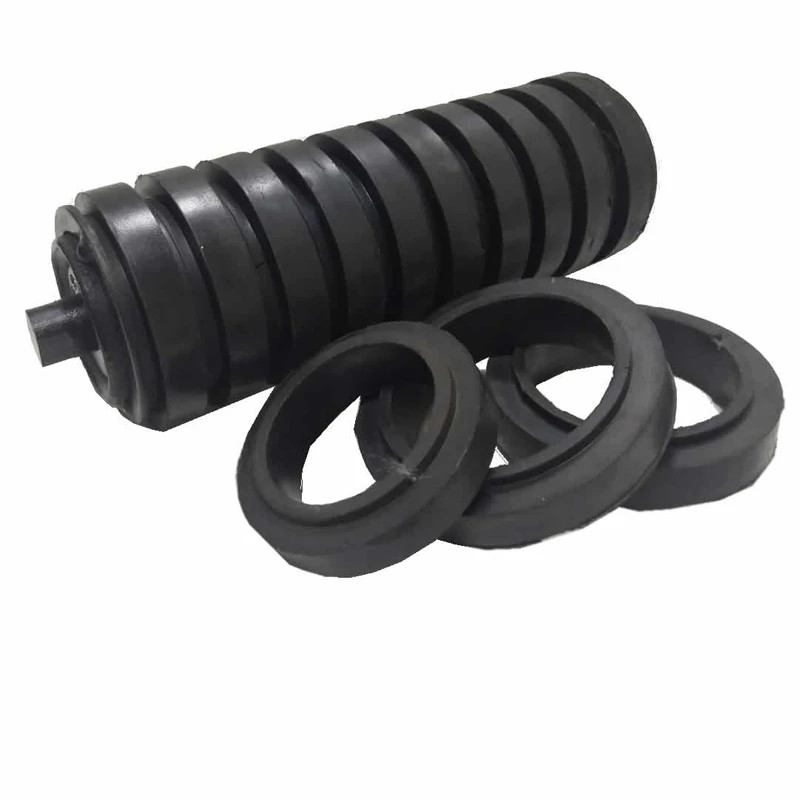
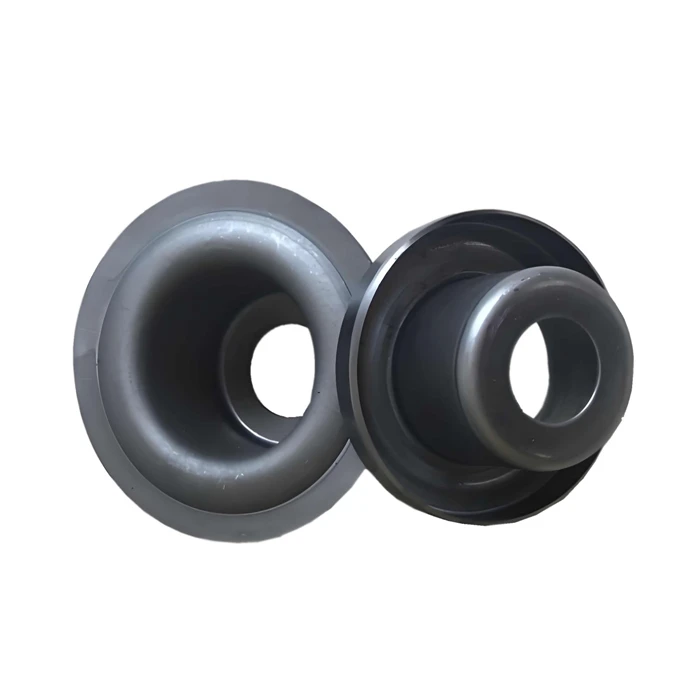
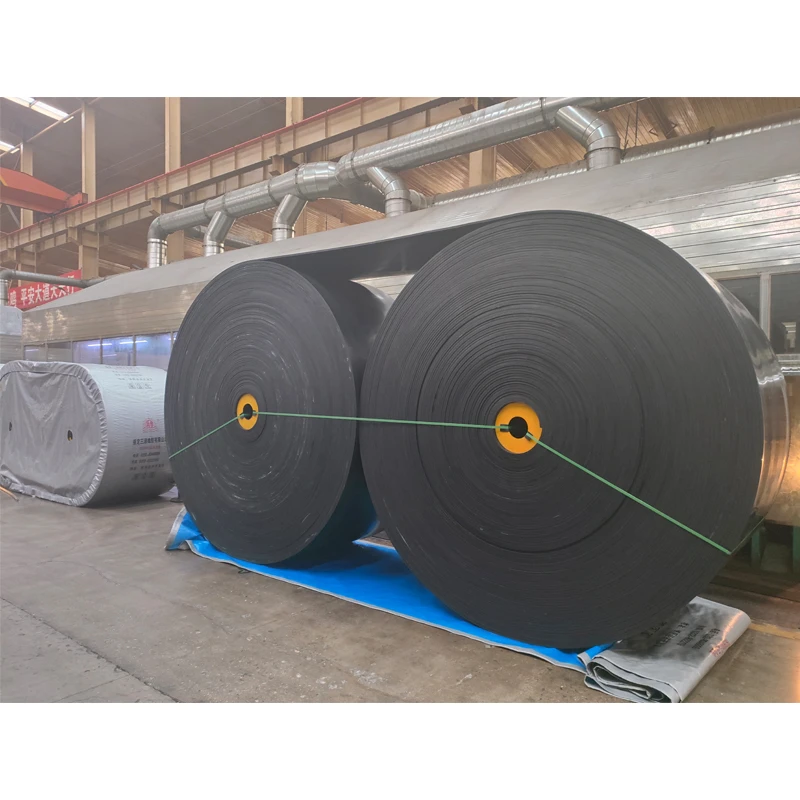
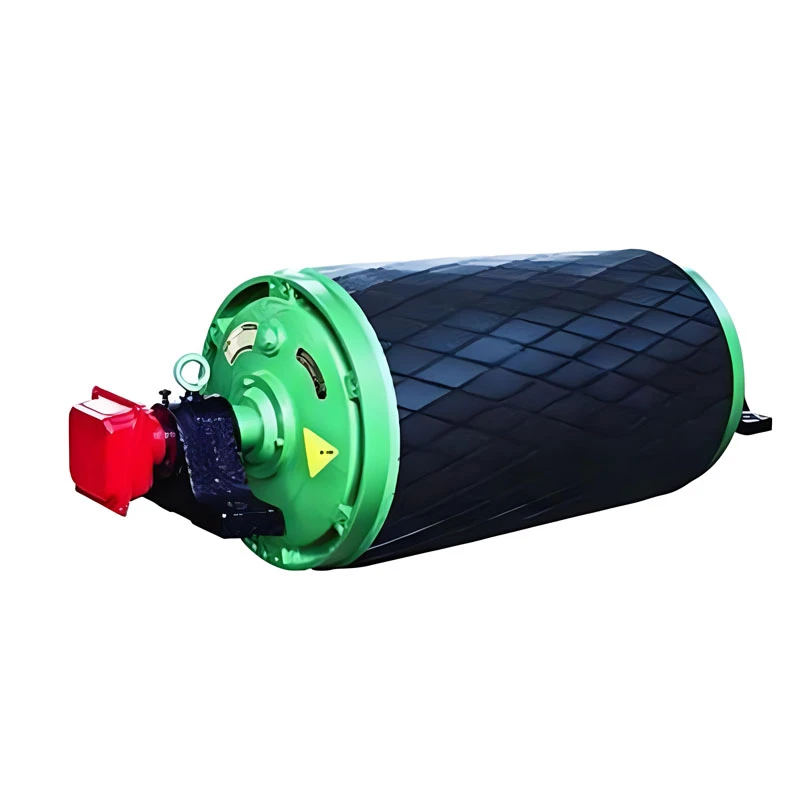
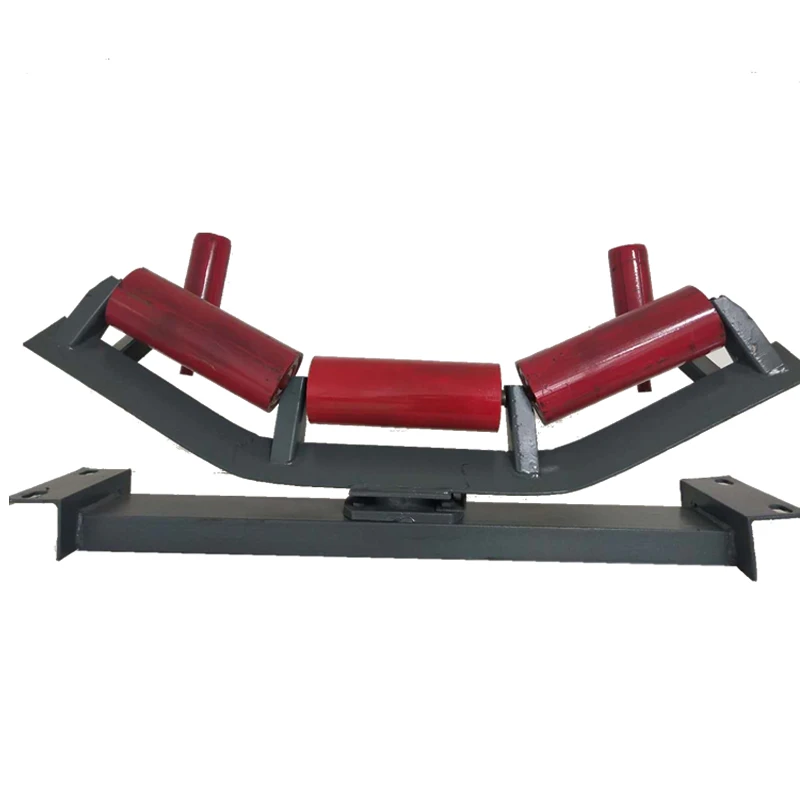
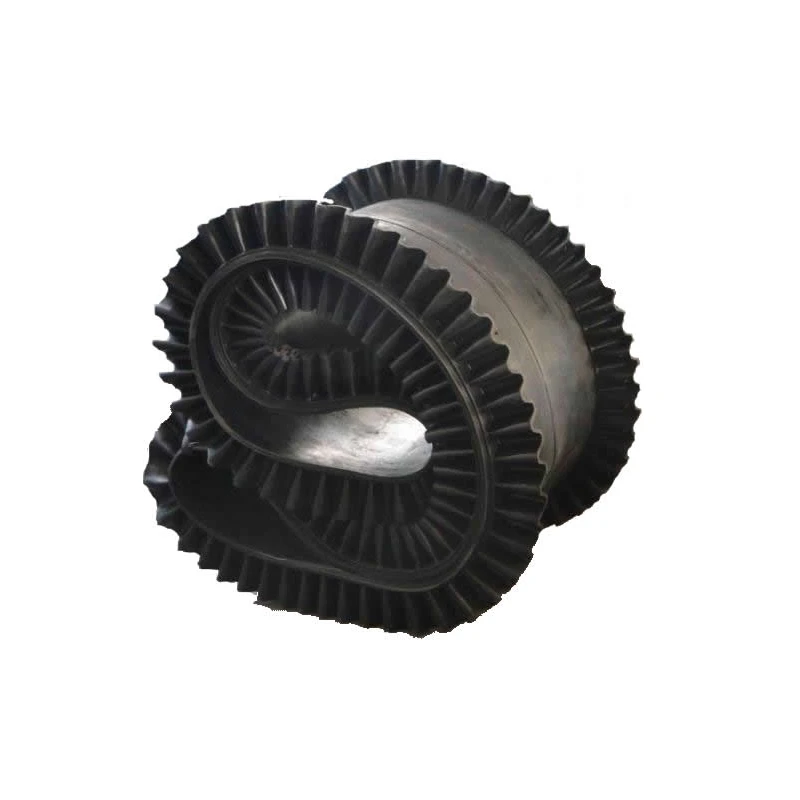
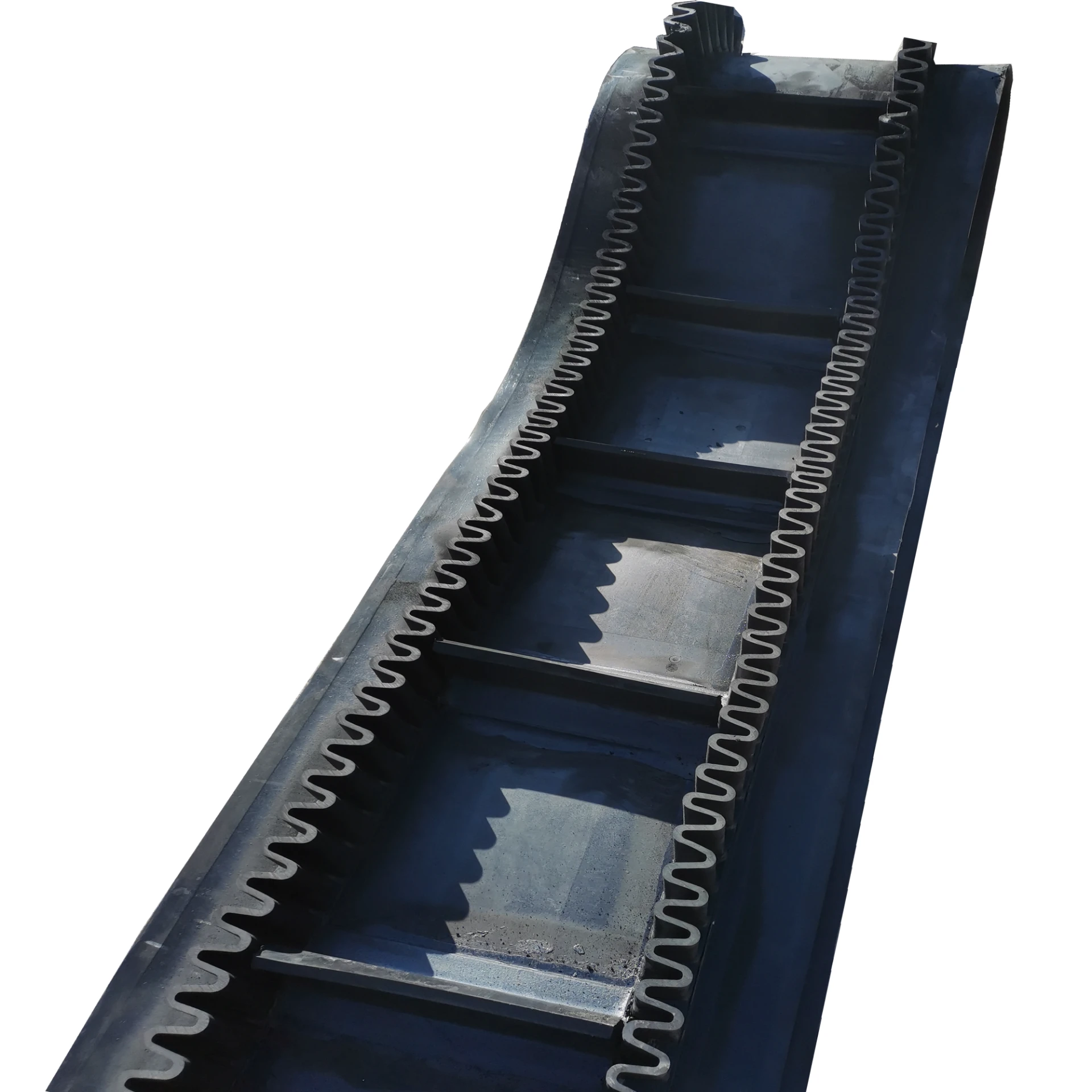
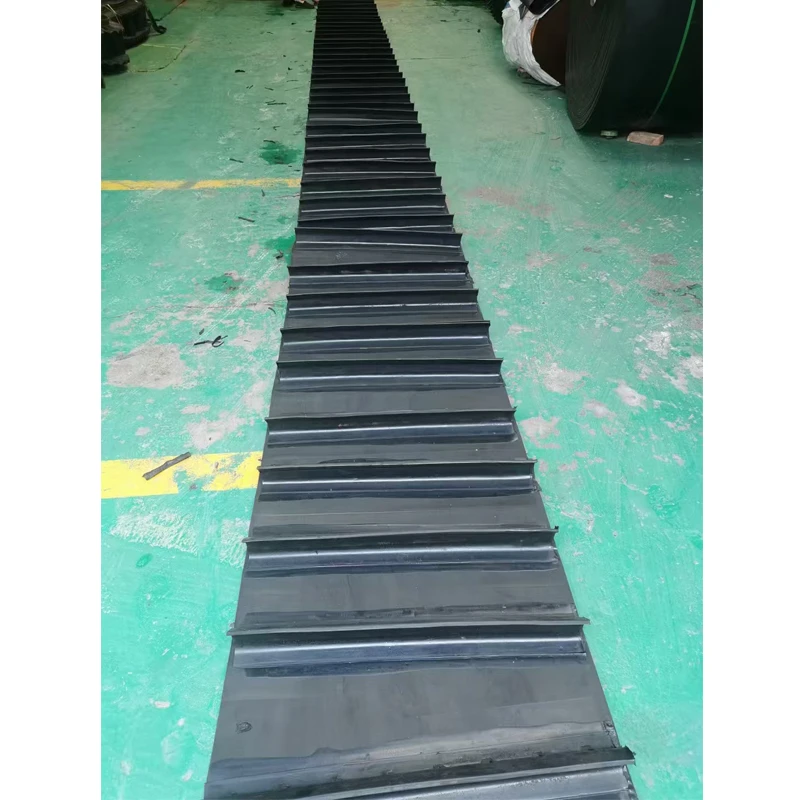
In essence, a builders conveyor belt is a mechanical system designed to transport building materials horizontally or at slight inclines. It consists of a sturdy belt — often rubber or polymer-based — looped around rollers, powered by electric motors.
But, it’s not just about moving rubble or bricks from point A to B. These belts often feature unique properties tailored for the tough, abrasive, and sometimes dusty environment of construction:
- Resistance to tearing or weather exposure
- Variable speeds for different materials
- Adaptability to uneven loads or changing terrain
- Safety features to protect manual laborers nearby
The innovation lies in the detail. Modern belts sometimes integrate sensors, modular components, and even wireless controls to streamline operations and reporting.
Mini takeaway: While deceptively simple in concept, builders conveyor belts are carefully engineered systems pivotal for modern construction efficiency.
Key Features That Define Builders Conveyor Belts
Durability
This is the big one. These belts regularly take a beating — rough, heavy stones, cement bags, and debris slide across them daily. Materials usually include reinforced rubber composites or heavy-duty PVC layers. Some belts even offer fire-resistant or oil-resistant coatings, which can be life-saving on-site.
Scalability and Customization
From small-scale renovations to giant infra projects, builders conveyor belts come in many sizes and lengths. Many vendors allow custom widths or belt types depending on the specific materials: fine sand versus coarse gravel, for example. This flexibility can make or break a project schedule.
Cost Efficiency
Considering maintenance, energy usage, and replacement cycles, the ROI for a quality conveyor belt often outshines manual labor. I once chatted with a site engineer who said, “We trimmed our handling time by nearly 40% after switching conveyor models.”
Safety and Ergonomics
Modern belt systems incorporate safety guards, emergency stops, and low-noise motors to reduce workplace accidents. For construction workers, whose jobs already run on edge, these improvements are more than just features—they're peace of mind.
Mobility and Deployment Speed
Especially in disaster relief or temporary job sites, quick setup matters. Some builders conveyor belts are modular and lightweight, allowing fast assembly and transport — which, frankly, can feel like life or death when you’re racing a rebuild.
Typical Product Specifications (Example Model)
| Specification | Model XCB-4000 |
|---|---|
| Belt width | 400 mm |
| Belt length | 15 meters (modular) |
| Belt material | Reinforced rubber with anti-abrasion layer |
| Motor power | 2.2 kW, variable speed |
| Max load capacity | 1000 kg per meter |
| Setup time | Under 1 hour (team of 3) |
Global Use Cases of Builders Conveyor Belts
Builders conveyor belts aren't just for sprawling urban construction; they’re everywhere. Take Southeast Asia’s rapid metro expansions or Africa’s new highways—they rely heavily on these belts to maintain momentum.
Post-natural disaster zones are a particularly striking case. After the 2010 Haiti earthquake, aid agencies used portable conveyor systems to move rubble and supply disaster shelters. Similar tech was crucial after flooding in parts of Europe.
Even on remote mining sites in Australia, conveyors move aggregates efficiently where trucks can’t easily function day and night.
- Urban Infrastructure: Efficient throughput on urban projects
- Disaster Relief: Rapid deployment and material distribution
- Remote Industrial Sites: Overcoming terrain challenges with mobility
Mini takeaway: The versatility and robustness translate to wide-ranging impacts that span continents and mission types.
Advantages & Long-Term Value of Quality Conveyor Belts
For builders and contractors, investing in top-tier conveyor belts isn’t just about saving time—although that’s huge. It’s the kind of quiet return that pays off project after project:
- Cost Savings: Less wasted material, fewer injuries, reduced labor costs
- Sustainability: Longer-lasting materials and energy-efficient motors lower carbon footprints
- Safety & Dignity: Reducing heavy lifting improves worker health and morale
- Reliability: Minimizes project delays, builds customer trust
Frankly, for site managers juggling budgets and deadlines, having a reliable builders conveyor belt for sale on hand is a foundation of trust.
Looking Ahead: Future Innovations in Builders Conveyor Belts
There’s a quiet revolution underway. Innovations include:
- Smart Sensors & IoT: Enabling real-time monitoring to predict wear and schedule maintenance
- Eco-Friendly Materials: Biodegradable or recycled belts to reduce plastic waste
- Energy Efficiency: Solar-powered or regenerative drives that cut energy costs dramatically
- Automation: Integrating with robotic arms for fully automated material handling
These trends promise to push the humble conveyor belt into a smarter, greener future.
Challenges in Choosing the Right Conveyor Belt—and How They’re Overcome
Of course, not every conveyor belt fits every build. Challenges include:
- Material Mismatch: Using unsuitable belts causes faster wear or dangerous jams.
- Transport & Setup Delays: Heavy systems can slow down urgent projects.
- Cost Constraints: Affordable belts sometimes compromise on durability.
Vendors have responded with modular designs, improved synthetic materials, and flexible pricing models. Plus, expert consultation is helping buyers match belts precisely to their needs — which, I guess, is where knowing about builders conveyor belt for sale really pays off.
Vendor Comparison: Choosing from Top Builders Conveyor Belt Providers
| Vendor | Customization Options | Price Range (USD) | Lead Time | Global Support |
|---|---|---|---|---|
| ConveyPro | High; custom widths & materials | $3,000 - $15,000 | 2-4 weeks | Worldwide |
| BuildMove | Medium; modular lengths only | $1,500 - $8,000 | 1-2 weeks | North America, Europe |
| MegaBelt Inc. | Low; standard fixed sizes | $800 - $5,000 | 3-5 weeks | Asia-Pacific focus |
Frequently Asked Questions About Builders Conveyor Belts for Sale
Q1: What should I look for when buying a builders conveyor belt?
A1: Focus on durability, belt width to fit your materials, motor power, and ease of deployment. Make sure it suits the environment—outdoor sites might need UV-resistant belts. Also, verify vendor support and spare part availability.
Q2: How quickly can a portable conveyor belt be set up on-site?
A2: Typical assembly time is under 1-2 hours for modular units by a small team. Of course, this depends on belt length and terrain but modern designs prioritize quick, tool-light set-up.
Q3: Can conveyor belts be used in challenging environments like sandy or wet areas?
A3: Yes. Specialized belts with anti-slip surfaces and sealed motors exist for such conditions. Some also feature corrosion-resistant frames and covers to protect against weather.
Q4: How energy-efficient are builders conveyor belts?
A4: Many modern belts use variable-frequency motors and light-weight materials, reducing power consumption by up to 30% compared to older models. Solar or hybrid powered models are also emerging.
Q5: Where can I find reliable builders conveyor belts for sale internationally?
A5: Look for established suppliers with global offices or shipping options, like builders conveyor belt for sale platforms that offer certification and after-sales support.
Wrapping It Up: Why Builders Conveyor Belts Remain Essential
When you stand on a sprawling construction site or witness a disaster relief zone transform in days, remember: behind the scenes, builders conveyor belts quietly move tons of material with relentless efficiency. They aren’t glamorous, but they’re invaluable.
Investing in the right builders conveyor belt for sale means securing faster builds, safer workplaces, and sustainable construction futures. So, if you’re scouting options, take a second look at trusted vendors, weigh specs carefully, and think ahead about maintenance and deployment.
If you’re ready to find a conveyor belt that fits your unique project needs, visit our website today — and keep your next build moving smoothly.