Industrial operations rely heavily on the seamless functioning of mechanical equipment, particularly in material handling systems where ferromagnetic impurities can cause significant damage. The electromagnetic iron remover emerges as a critical solution for maintaining equipment integrity and material quality. This article provides an in-depth analysis of its functionality, technical specifications, applications, and the company behind this innovative technology.
Core Functionality and Design
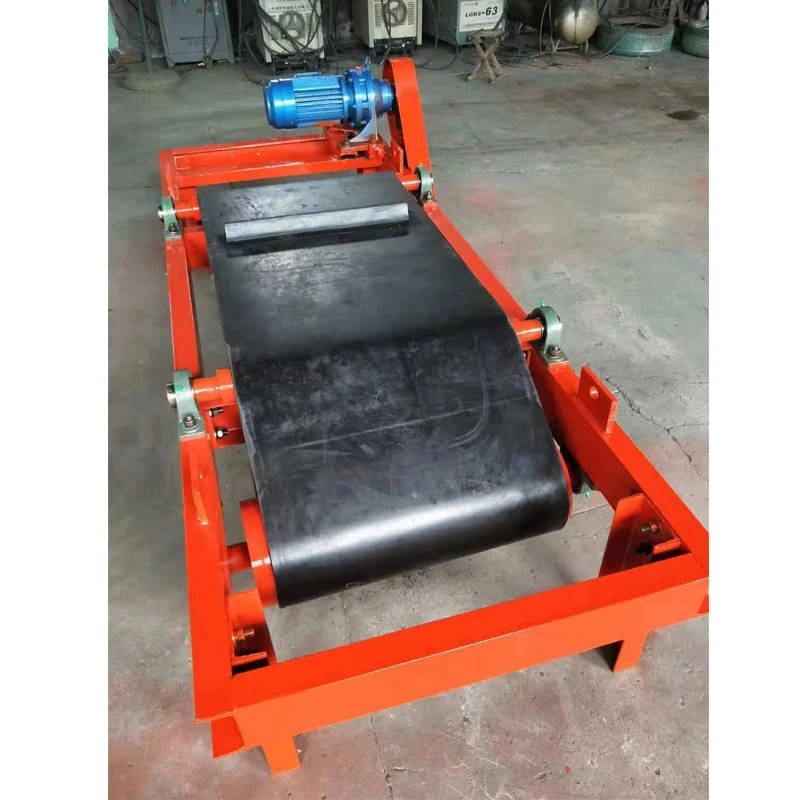
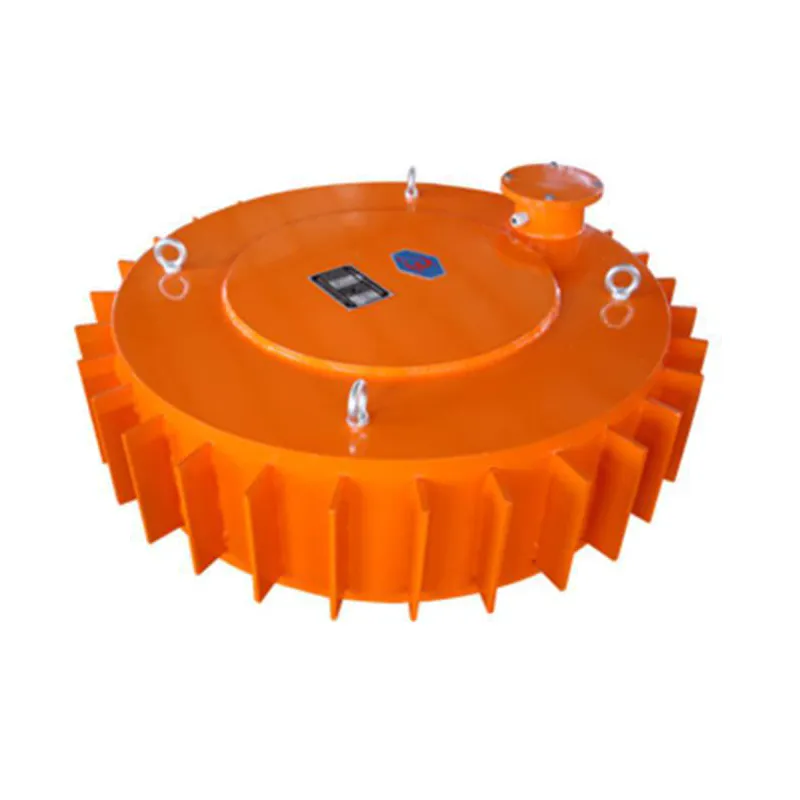
The electromagnetic iron remover is engineered to extract ferromagnetic contaminants from material streams, ensuring the safe operation of critical machinery such as crushers and grinders. By eliminating impurities, it prevents mechanical failures, reduces maintenance costs, and enhances the quality of raw materials. The device operates through a combination of magnetic field strength and strategic installation, making it adaptable to diverse industrial environments.
Key Features
- Multi-Mode Unloading: Supports manual, automatic, and program-controlled unloading to suit varying operational needs.
- Customizable Magnetic Circuits: Tailored designs for different applications, optimizing performance in specific industrial contexts.
- Continuous Operation: Enables uninterrupted iron removal during material transport, minimizing downtime.
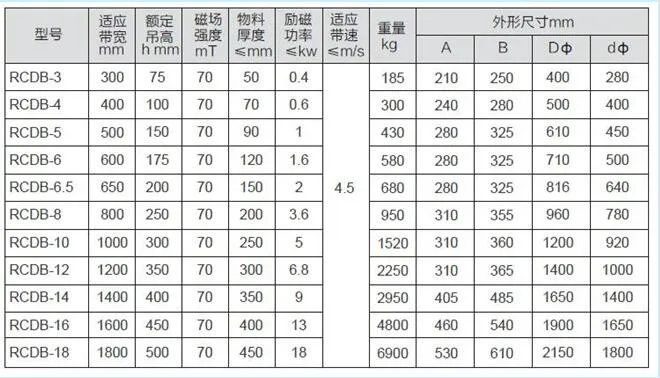
Technical Specifications
| Parameter | Specification |
|---|---|
| Magnetic Field Strength | Varies based on model (typically 50-150 mT) |
| Unloading Methods | Manual, Automatic, Program-Controlled |
| Installation Flexibility | Adjustable suspension height for optimal performance |
| Material Thickness Compatibility | Optimal for thin layers (≤50 mm) |
| Industries Served | Metallurgy, Mining, Power Plants, Food Processing, etc. |
Performance Optimization
The effectiveness of an electromagnetic iron remover is heavily influenced by two primary factors: magnetic field strength and installation methodology. According to NIST (National Institute of Standards and Technology), magnetic field intensity directly correlates with contaminant removal efficiency, with higher strengths enabling better separation of fine particles (NIST, 2023). Proper installation is equally critical—adjusting the suspension height to minimize distance from the material layer maximizes magnetic reach, while maintaining a level position prevents uneven distribution of force.
For suspended permanent magnet iron removers, the optimal height is typically 10-15 cm above the conveyor belt. A lower suspension height increases the magnetic field's penetration depth, ensuring even distribution of force across the material. However, this must be balanced against the risk of belt damage. Similarly, thinner material layers allow for higher iron removal rates, as the magnetic field can more effectively attract contaminants without interference from bulk material.
Industrial Applications
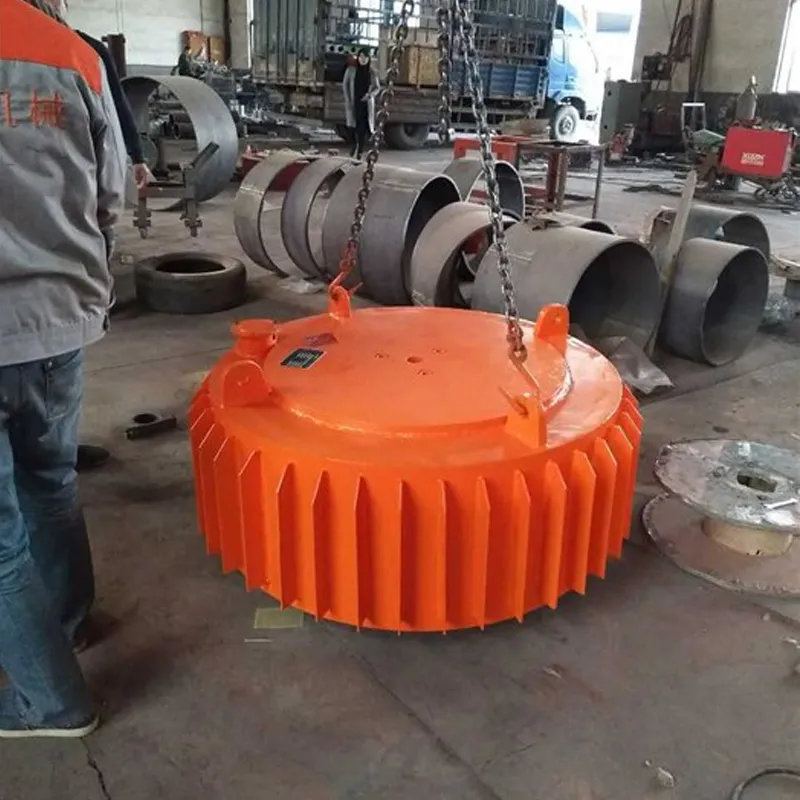
The versatility of the electromagnetic iron remover makes it indispensable across multiple sectors. In metallurgy and mining, it safeguards crushing and grinding equipment from damage caused by large iron fragments. In power plants, it prevents abrasive wear on conveyor belts, extending machinery lifespan. The food and feed processing industries rely on it to maintain hygiene standards by eliminating metallic contaminants.
In the waste treatment sector, the device plays a pivotal role in recovering steel from scrap, aligning with circular economy principles. Major steel enterprises and metal mines have integrated these systems to enhance operational efficiency, as noted in industry case studies (NIST, 2023).
Company Background: Hebei Roule Transport Machinery Manufacturing Co., Ltd.
Founded in 2005, Hebei Roule Transport Machinery Manufacturing Co., Ltd. has established itself as a leader in industrial magnetic separation technology. The company specializes in designing and manufacturing high-performance magnetic equipment for global markets. With a commitment to innovation, Hebei Roule has developed a comprehensive product line tailored to meet the demands of diverse industries.
Hebei Roule's expertise is reflected in its rigorous quality control processes and adherence to international standards. The company's electromagnetic iron remover is a testament to its engineering prowess, combining advanced magnetic materials with user-friendly design. This product has been successfully deployed in over 50 countries, earning recognition for its reliability and cost-effectiveness.
Conclusion
The electromagnetic iron remover represents a critical advancement in industrial safety and efficiency. By leveraging precise magnetic field control and adaptable design, it addresses the challenges of ferromagnetic contamination across multiple sectors. As industries continue to prioritize operational reliability and sustainability, solutions like Hebei Roule's electromagnetic iron remover will remain essential. For further information on this technology, visit the product page or explore the company's website.