What Exactly Is a Lightweight Conveyor Belt and Why Should We Care?
At first glance, a lightweight conveyor belt might sound like mere industrial jargon, but its real-world impact is pretty substantial. In industries ranging from manufacturing to humanitarian logistics, these belts are revolutionizing the way goods, equipment, and materials move — faster, more efficiently, and with fewer hassles.
Globally, the rapid growth of manufacturing hubs, combined with the ever-increasing demand for speedy logistics, means that solutions like lightweight conveyor belts aren’t just a nice-to-have; they're essential. From helping factories trim down operational costs to aiding disaster relief teams deliver supplies quickly across tough terrain, understanding the value and function of these conveyor systems pays off.
So why does the lightweight conveyor belt deserve your attention today? It’s basically about smarter, safer, and more sustainable material transport — and that’s something industries worldwide crave.
The Global Context: Why the Lightweight Conveyor Belt Matters in Today’s Economy
Consider the scale for a moment: According to the International Organization for Standardization (ISO), global material handling equipment sales continue to grow steadily by 3-5% annually. This upward curve is fueled by expanding industrial sectors and evolving supply chain logistics. With the world increasingly interconnected and speedy delivery becoming a norm, lightweight conveyor belts provide tangible benefits.
One challenge they address urgently is inefficiency caused by heavy, rigid conveyor systems. Traditional belts often require hefty support, consume more energy, and pose installation headaches in remote or space-limited environments. Lightweight versions — made from advanced polymer composites or fabric-reinforced materials — tackle these issues head-on.
Moreover, in disaster-prone or underdeveloped regions where infrastructure is fragile, lightweight conveyor belts enable quick deployment of material handling solutions necessary for rescue operations or rebuilding efforts.
Mini Takeaway
More than just 'lighter equipment,' the lightweight conveyor belt aligns with global trends emphasizing efficiency, sustainability, and adaptability — an industrial ally for an evolving world.
Defining the Lightweight Conveyor Belt: More Than Just a Lighter Roller
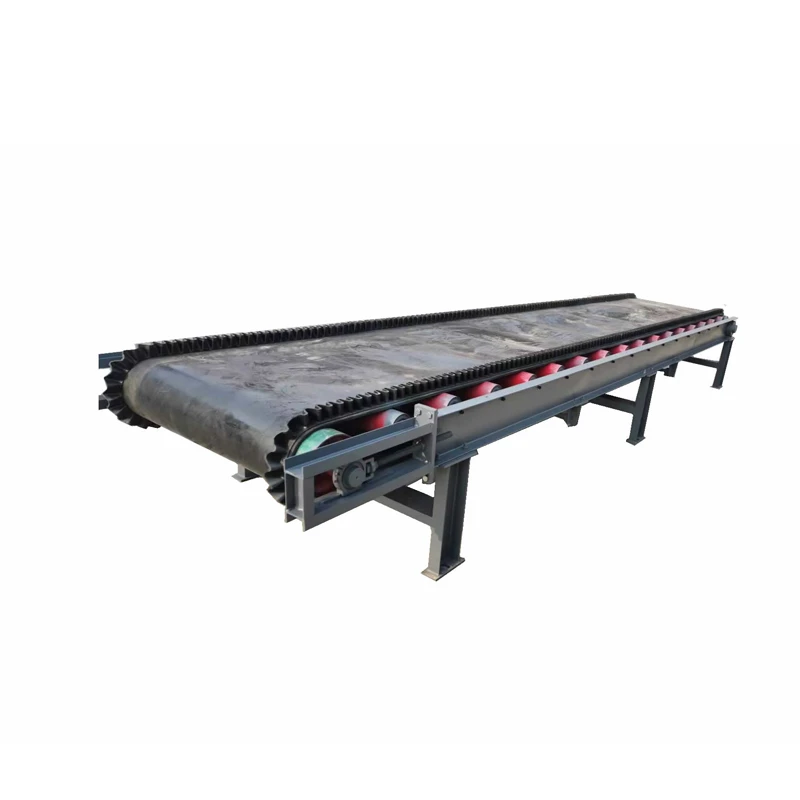
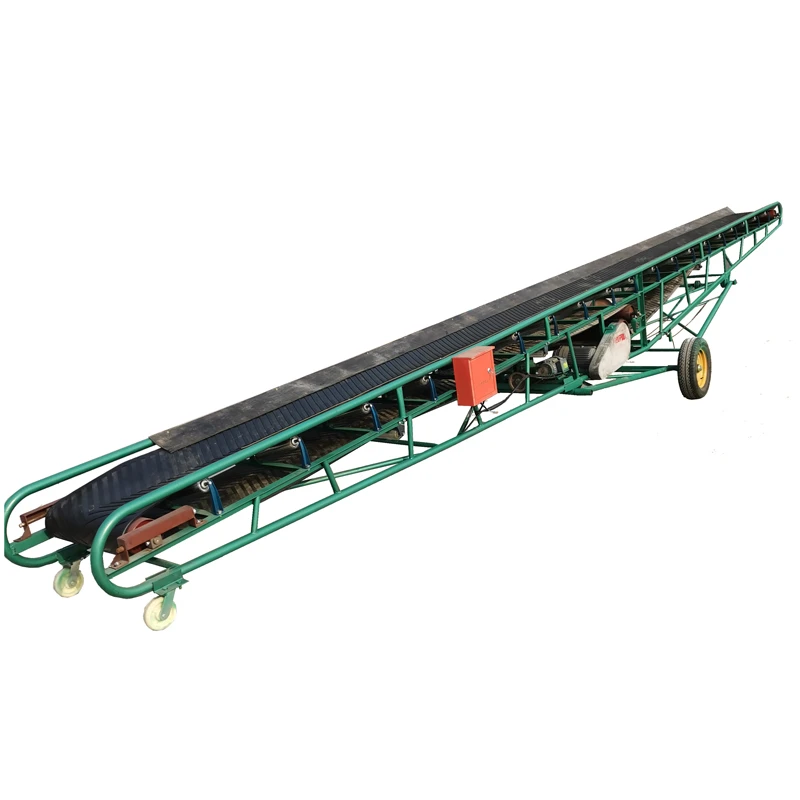
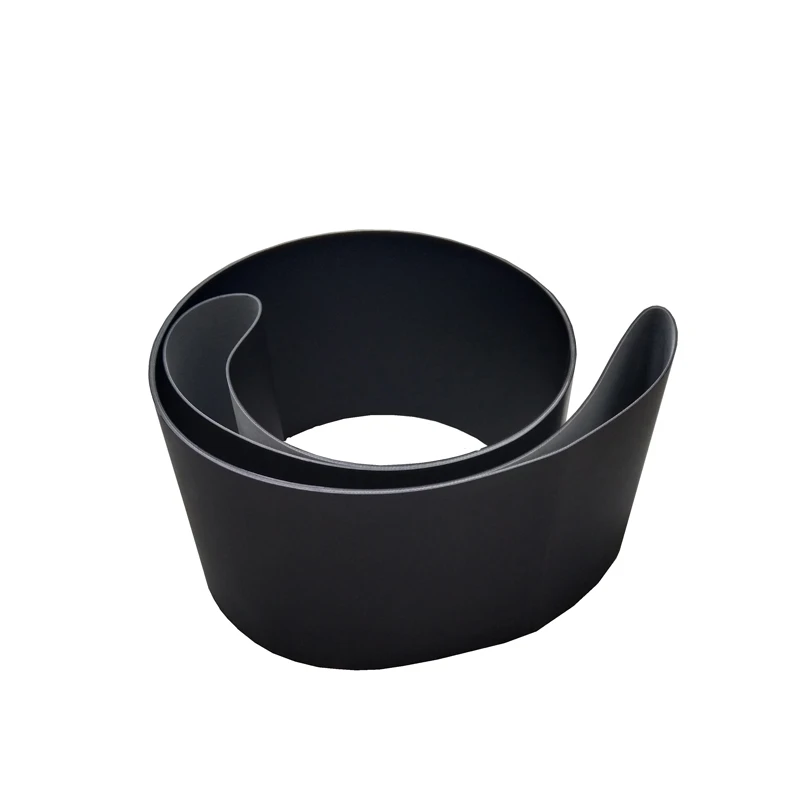
In simple terms, a lightweight conveyor belt is a material transport system constructed with lighter but durable materials, designed to facilitate the smooth movement of goods without sacrificing strength or reliability.
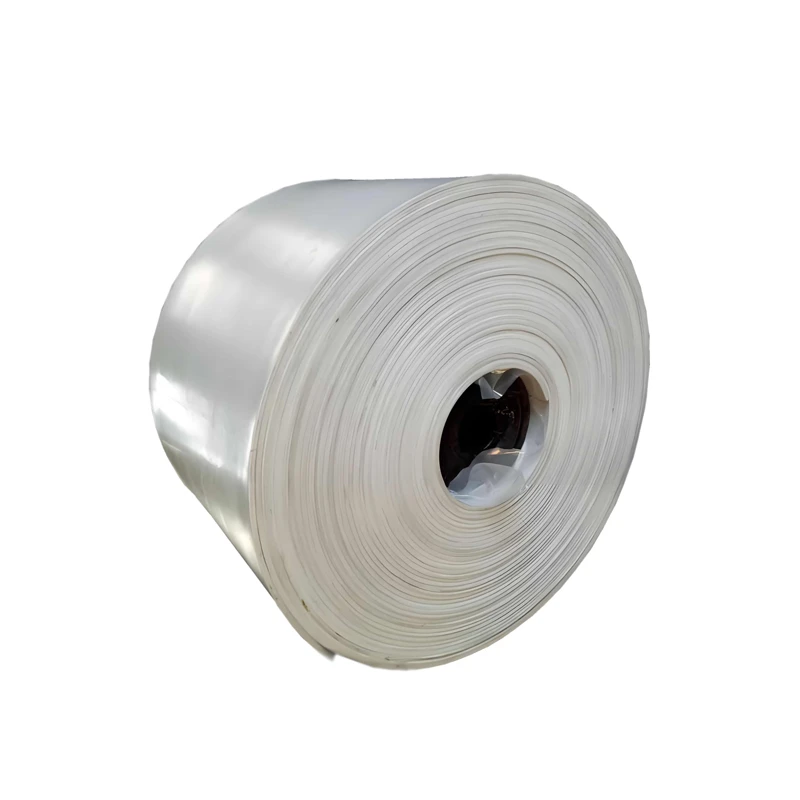
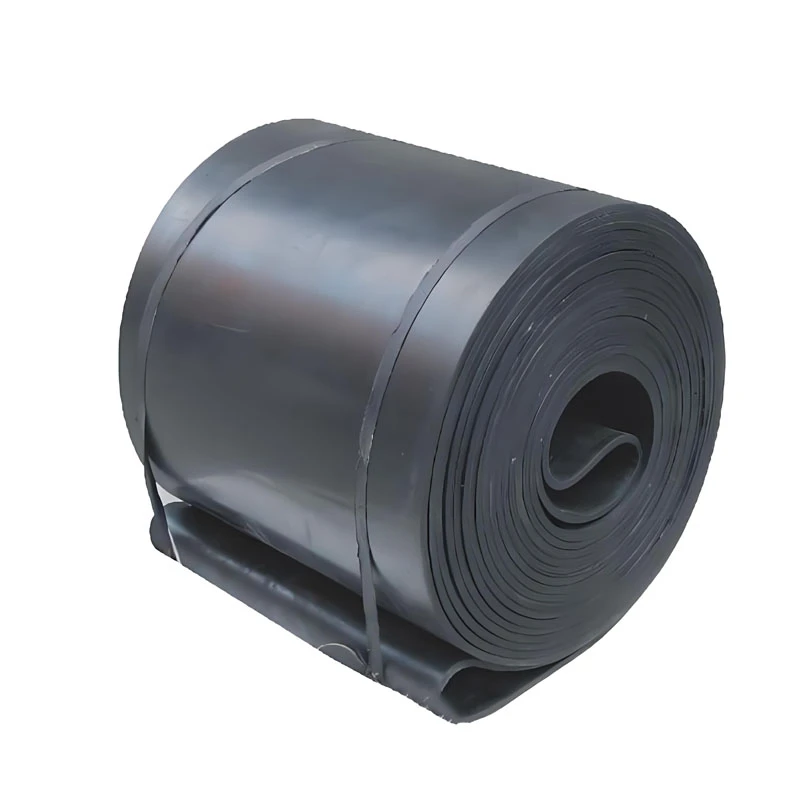
Unlike traditional heavy-duty belts primarily made with thick layers of rubber and steel cords, lightweight belts incorporate innovative materials like thermoplastic elastomers or aramid fibers, reducing weight by up to 40%. This translates to easier handling during installation, less power consumption during operation, and often a smaller environmental footprint.
Its link to modern industry is direct: in areas from automotive manufacturing to food processing, the push for leaner, smarter operations makes lightweight conveyor belts indispensable. Oddly enough, even humanitarian needs — such as setting up mobile supply stations in conflict zones — rely on their compact and modular nature for rapid, resilient logistics.
Core Components of Lightweight Conveyor Belts
1. Durability Without Bulk
Many engineers I've spoken with highlight how advancements in polymer composites allow belts to endure abrasion, UV exposure, and chemical contaminants, all without the weight of steel-reinforced versions. This durability translates to longer lifespans, less downtime, and better ROI.
2. Scalability and Modularity
Lightweight belts often come in modular sections, letting businesses scale or reconfigure their conveyor lines quickly. It’s a bit like LEGO for factories — snapping on extra segments or swapping out parts with minimal fuss.
3. Cost Efficiency
Less weight means not just savings on raw materials but also reduced energy consumption in motors and simpler installation processes. In real terms, customers report 15-25% lower operational expenses annually after switching.
4. Environmental Sustainability
Using recyclable materials and lowering energy consumption aligns lightweight conveyor belts with green manufacturing policies. Plus, their longevity means less frequent replacement — a classic win-win.
5. Adaptability to Terrain and Environment
Whether indoors in climate-controlled plants or outdoors across uneven ground at construction sites, lightweight conveyor belts adapt better than their heavier counterparts. That’s crucial when terrain or weather conditions challenge logistics.
Mini Takeaway
The magic lies in combining cutting-edge materials with design flexibility — lightweight conveyor belts aren’t just different; they’re smarter at meeting diverse operational demands.
Real-World Applications and Use Cases: Where Lightweight Conveyor Belts Shine
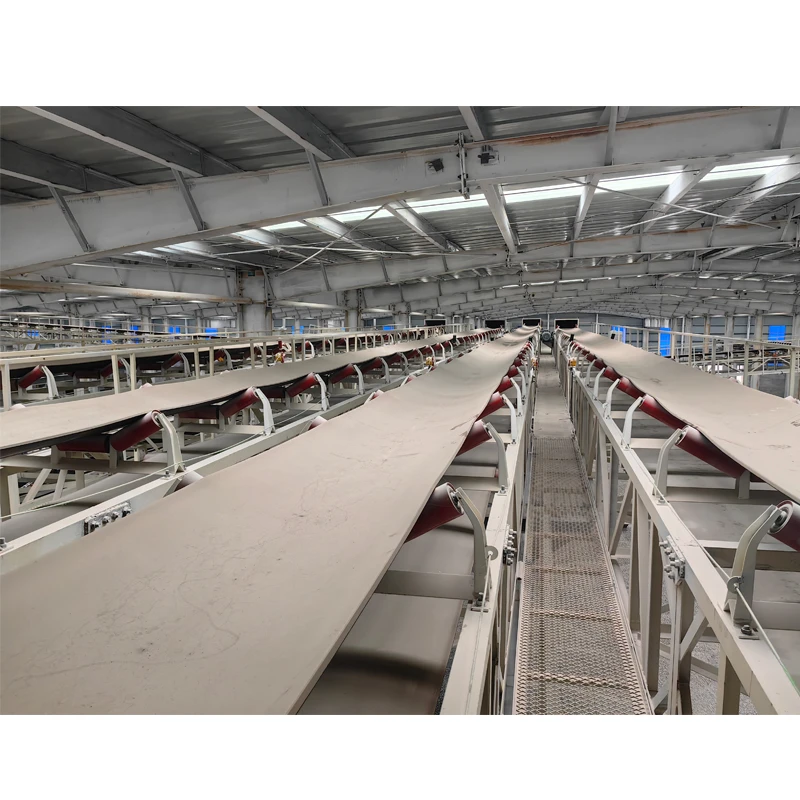
- Manufacturing Hubs: In countries like Germany and China, where assembly lines push for speed without downtime, lightweight belts help keep things moving with less stress on machinery.
- Humanitarian Relief: Organizations deploying mobile aid in post-disaster zones — like after typhoons or earthquakes in Southeast Asia — use lightweight belts to swiftly set up supply chains on uneven ground.
- Food Processing: In North America, lightweight belts made from food-grade materials improve hygiene and reduce contamination risks while simplifying cleaning routines.
- Mining and Bulk Material Handling: In remote mining operations in Australia or Africa, lightweight conveyor belts reduce fuel consumption when powered remotely, making extraction efforts more sustainable.
One case worth noting: a leading NGO recently deployed lightweight conveyor belts in Haiti post-2010 earthquake, enabling faster transport of relief supplies amidst crumbling roadways. The lightness meant volunteers could carry components on foot to isolated areas, a game-changer in logistics.
Mini Takeaway
Whether in high-tech factories or rugged wilderness, lightweight conveyor belts prove their versatility time and again...
Product Specification Table
| Specification | Typical Value | Notes |
|---|---|---|
| Belt Weight | 3.5 - 6.5 kg/m² | Depends on material & thickness |
| Tensile Strength | 600 - 1,200 N/mm | Polymer reinforced |
| Operating Temperature | -20°C to 80°C | Varies by material choice |
| Belt Speed | Up to 3.5 m/s | Dependent on drive system |
| Material Composition | Thermoplastic elastomers, aramid fibers | Lightweight & strong |
Advantages & Long-Term Value of Choosing Lightweight Conveyor Belts
From a purely commercial standpoint, it’s straightforward. Lighter belts reduce wear on machinery—less mechanical stress means fewer breakdowns and longer equipment life. Savings quickly add up. But logically, it’s also about energy efficiency. Electric motors need to exert less force, trimming power consumption and ultimately carbon footprints.
Beyond numbers, there’s a human angle. Safer, lighter components lessen injury risks during installation or maintenance. And when humanitarian agencies use them, speedy delivery through better conveyor systems contributes indirectly but importantly to saving lives — a fact that puts the whole endeavor into perspective.
Many plant managers swear by the enhanced flexibility these belts offer; innovation feels seamless when your conveyor can adapt alongside your production line evolution instead of holding it back.
Mini Takeaway
When you combine cost savings with sustainability and safety, lightweight conveyor belts emerge as a genuinely smart investment, not just a passing gadget.
Looking Ahead: The Future Trends in Lightweight Conveyor Belts
Looking down the pipeline, expect to see even more integration of digital tech — IoT sensors embedded right into the belt materials to monitor wear and alert maintenance teams preemptively. Predictive analytics in conveyor management? It’s on the horizon.
Material science improvements continue, too. Biodegradable polymers or recyclable composites might soon become the norm, aligning with circular economy goals endorsed by global organizations like the UN.
Automation and robotics tie into lightweight belts’ appeal as well. Robotic arms or automated sorters paired with lighter conveyors can speed up packaging lines with minimal human intervention — reducing errors and optimizing time.
Challenges and How Experts Address Them
No product is without flaws. Lightweight conveyor belts sometimes face questions about durability in ultra-heavy load environments or exposure to extreme temperatures beyond their rated range. Manufacturers counter this by offering hybrid materials or reinforced belt variants.
Also, installation precision can be trickier since lighter belts flex more under stress. That demands better training for installation teams and sometimes more sophisticated tension control systems. The good news? Advancements in installation tooling and modular components are steadily making these issues easier to manage.
FAQ: Frequently Asked Questions About Lightweight Conveyor Belts
- Q: How much energy can I realistically save by switching to lightweight conveyor belts?
- A: Energy savings vary depending on the system size and usage, but most clients notice a 10-20% reduction in power consumption, thanks to lighter belt weight requiring less drive motor force.
- Q: Are lightweight conveyor belts suitable for outdoor applications?
- A: Absolutely. Many lightweight belts feature UV-resistant coatings and materials designed to endure weathering, making them ideal for outdoor plants or mobile deployment.
- Q: How easy is it to install or replace a lightweight belt compared to traditional belts?
- A: Because of their reduced weight and modular design, installation tends to be faster and less labor-intensive, often cutting downtime by 30% or more.
- Q: Can these conveyor belts handle heavy or abrasive materials?
- A: For certain heavy-duty applications, reinforced or hybrid lightweight belts are available. While they won't match the weight of steel-cord belts, they balance lightness with sufficient strength for many challenging uses.
- Q: Where can I find suppliers with the broadest range of lightweight conveyor belts?
- A: See the vendor comparison below for guidance, and you can always visit vendors’ official sites to explore product catalogs tailored to your needs.
Vendor Comparison Table
| Vendor | Product Range | Key Features | Lead Time | Price Range |
|---|---|---|---|---|
| ConveyorTech Inc. | 100+ lightweight belt types | Modular, UV-resistant, IoT-enabled | 4-6 weeks | $$$ |
| LightBelt Solutions | 50+ types including food-grade belts | Easy install, recyclable materials | 3-5 weeks | $$ |
| EcoConveyor Corp. | 70+ eco-friendly lightweight belts | Biodegradable polymers, energy-efficient | 6-8 weeks | $$$ |
Wrapping It Up: Why Lightweight Conveyor Belts Are a Future-Proof Choice
To put it plainly, lightweight conveyor belts come at a moment when industries require smarter, safer, and more sustainable solutions. They slash costs, enhance safety, and open doors to innovative deployment scenarios. Whether you’re managing a sprawling industrial complex or coordinating emergency relief logistics, their potential is clear.
If you’re curious to explore how this technology can fit into your operations, I highly recommend diving deeper on our dedicated page. There, you’ll find options tailored exactly to your needs — flexible, efficient, and, above all, lightweight.
In the end, these belts aren’t just “light” in weight, but in hassle, energy, and complexity — and in today’s fast-paced world, that kind of lightness is golden.