Industrial belt conveyors Solutions for Ecuador's Mining and Agriculture

Optimizing bulk material handling with high-durability systems engineered for the diverse terrains of South America.

Industrial belt conveyors Solutions for Ecuador's Mining and Agriculture

We provide integrated continuous handling systems designed to withstand the high humidity of the Amazon basin and the rugged altitude of the Andes mountains in Ecuador.

Current State of Material Handling in Ecuador

Analyzing the operational challenges of conveyor systems in Ecuador's unique geography.

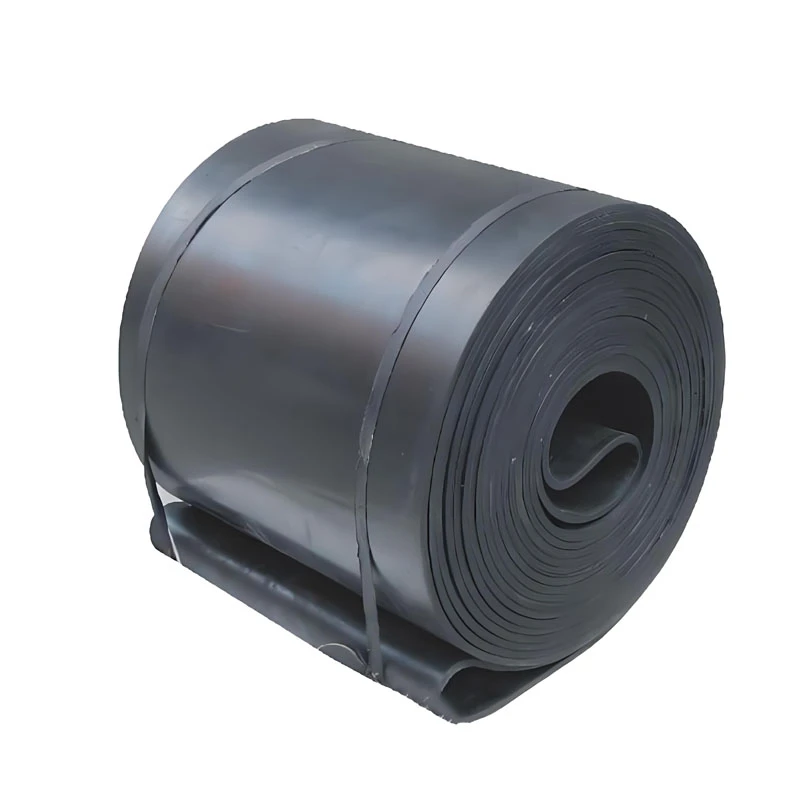
In Ecuador, the manufacturing and mining sectors face severe environmental stressors. The high humidity of the coastal regions and the extreme temperature fluctuations in the highlands cause rapid degradation of standard conveyor belt materials, leading to premature cracking and slippage.

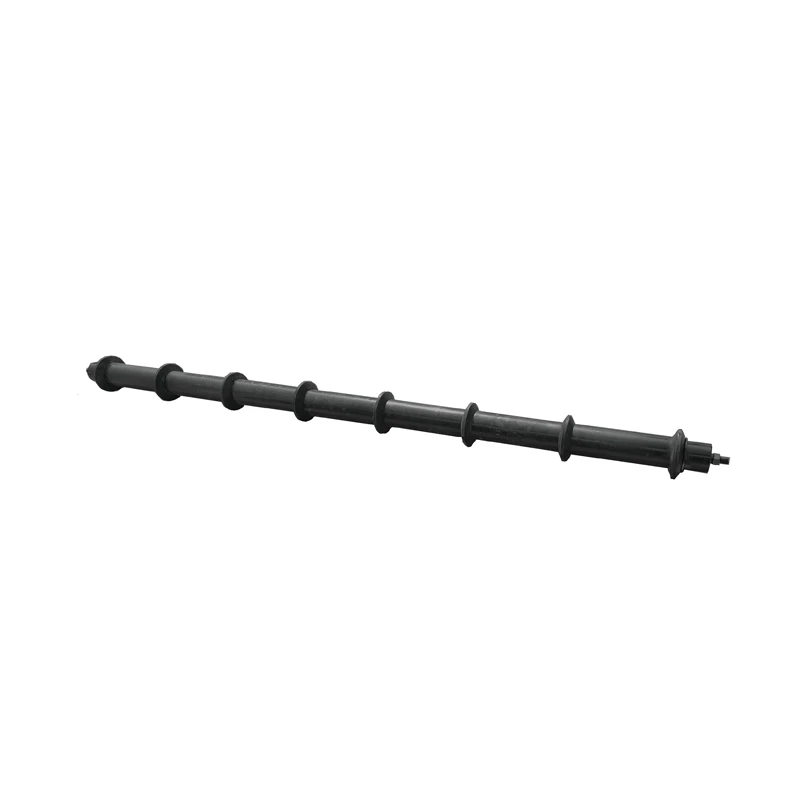
Many local operations still rely on legacy systems where the impact roller components are not optimized for the heavy ore impact common in the southern mining districts, resulting in frequent unplanned downtime and high maintenance costs.

Furthermore, the logistics sector in cities like Guayaquil is increasingly adopting gravity conveyor roller systems to streamline banana and shrimp export packaging, though there is a significant gap in the adoption of energy-efficient, automated continuous transport.
Evolution of Continuous Handling Technology

From manual labor to automated high-capacity transport systems.

Market Development History

Between 1990 and 2005, Ecuador's industrial transport relied heavily on simple rubber belts and basic pulleys. Most systems were manually operated or used rudimentary electric motors with little regard for tension control or alignment.

From 2006 to 2018, the industry shifted toward specialized components. The introduction of the reinforced bend pulley allowed for more compact system layouts in tight Andean valley terrains, improving spatial efficiency in mining sites.

Since 2019, the focus has transitioned to "Smart Handling," integrating IoT sensors into belt systems to monitor wear in real-time, reducing the failure rate of critical components in remote Ecuadorian locations.

Future Development Trends

High-Tension Synthetic Composites

Transitioning from standard rubber to high-modulus synthetic fabrics to increase load capacity while reducing the weight of the conveyor structure.

Energy Recovery Systems

Implementing regenerative braking on downhill conveyors in the Andes to feed electricity back into the local grid.

Predictive Component Replacement

Using AI to predict the exact lifespan of rollers, moving from scheduled maintenance to condition-based replacement.

Industry Trends and Future Outlook

Strategic directions for the next 3-5 years in Ecuador's conveyor market.

Eco-Friendly Materials
Shift towards biodegradable and recyclable polymers for rollers and belts to meet Ecuador's green initiatives.
Modular System Design
Rapidly deployable modular units to reduce installation time in remote Ecuadorian jungle regions.
Smart Tensioning
Automatic hydraulic tensioning to compensate for belt stretch caused by thermal expansion.
Wear-Resistant Coatings
Advanced ceramic coatings for rollers to resist the abrasive nature of Ecuadorian volcanic soils.

Industry Outlook

Google search trends indicate a rising demand for "automated warehouse equipment" and "industrial conveyor maintenance" within Ecuador, suggesting a pivot toward operational efficiency and long-term reliability over cheap, short-term replacements.

The future will likely see a convergence of heavy-duty mechanical engineering and digital twin technology, allowing Ecuadorian plant managers to simulate material flow before physical installation.

Localized Application Scenarios in Ecuador

Tailored conveyor solutions for the country's primary economic drivers.

1. High-Altitude Mining Operations (Andes Region)

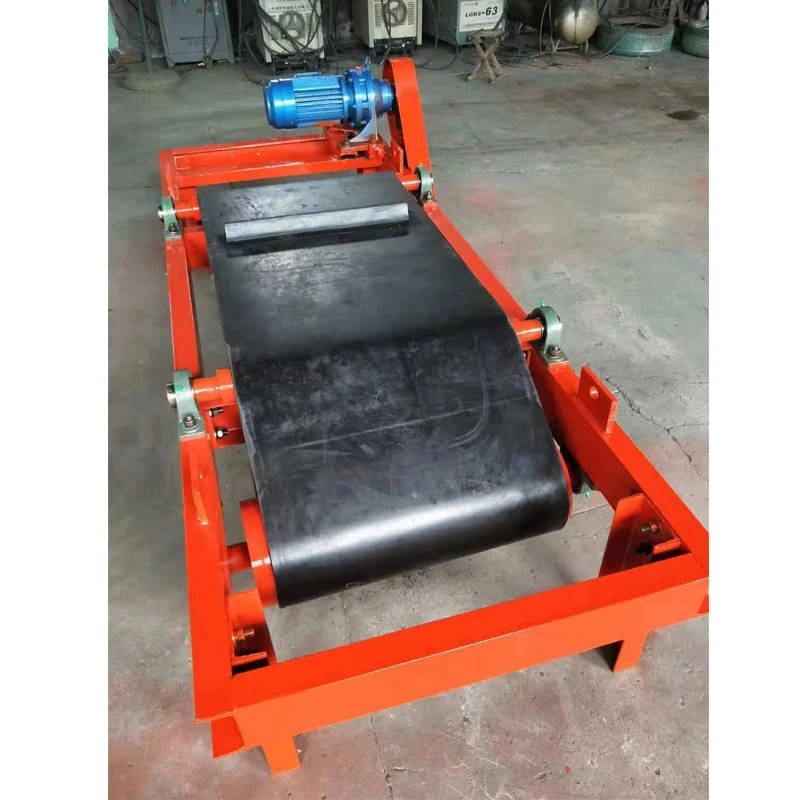
Deployment of heavy-duty belt conveyors with integrated scrapers to transport copper and gold ores across steep gradients while resisting extreme cold.

2. Tropical Fruit Export Hubs (Coastal Region)

Utilization of gravity conveyor roller lines in banana packing plants to reduce electricity consumption and ensure gentle product handling during sorting.

3. Volcanic Soil Material Transport (Central Highlands)

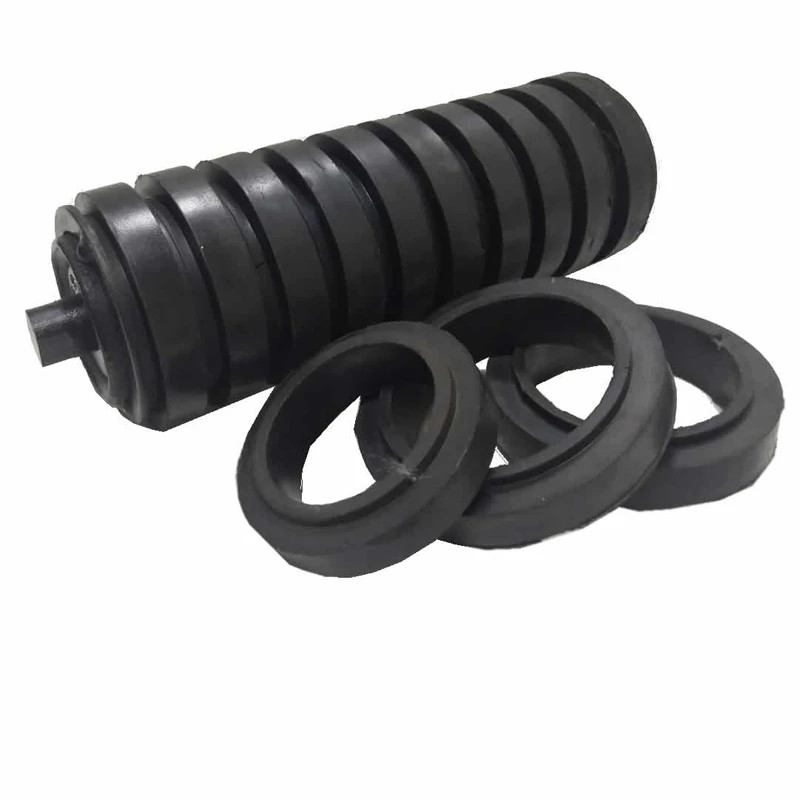
Installation of high-impact zones using specialized impact roller sets to absorb the shock of heavy, abrasive volcanic aggregates.

4. Shrimp Processing Facilities (Guayaquil Area)

Implementation of corrosion-resistant stainless steel belt conveyors designed to operate in saline, high-moisture environments.

5. Industrial Warehouse Logistics (Quito Metropolitan Area)

Integration of complex routing systems utilizing the bend pulley to maximize floor space in urban distribution centers.

Brand Story

Global Development History of Hebei Roulai Mechanical Equipment Technology Co., Ltd.

Founding Excellence

Established with a mission to solve the critical failure points of continuous handling systems in harsh industrial environments.

Technical Breakthroughs

Developed proprietary rubber compounding techniques that significantly extended the lifespan of conveyor belts in high-abrasion zones.

Global Expansion

Extended our footprint into South America, adapting our engineering standards to meet the unique geographic demands of the Andean region.

Innovation Leadership

Pioneered the integration of smart monitoring sensors within conveyor components to enable predictive maintenance for global clients.

Sustainability Commitment

Dedicated to reducing the carbon footprint of material handling through energy-efficient motors and recyclable component materials.

Comprehensive Conveyor Product Portfolio for Ecuador

From heavy-duty mining components to lightweight logistics solutions.

Common Questions for Ecuador's Handling Industry

Expert answers to the most frequent technical queries from our local partners.

How to choose the right conveyor belt for high-humidity coastal areas in Ecuador?

For coastal regions, we recommend using belts with high moisture-resistance and anti-corrosive properties to prevent hydrolysis and premature cracking caused by the salt-laden air.

What is the lifespan of an impact roller in heavy-duty mining?

Depending on the ore density, our reinforced impact rollers are designed to last 3-5 times longer than standard rollers by utilizing high-density polyethylene (HDPE) shells.

Can a bend pulley reduce the overall footprint of my conveyor system?

Yes, our precision-engineered bend pulleys allow for smoother directional changes, enabling more compact system layouts without increasing belt tension or wear.

Are gravity conveyor roller systems energy-efficient for warehouse use?

Absolutely. Gravity systems eliminate the need for electricity for simple transport tasks, making them the most cost-effective solution for sorting centers in urban Ecuador.

How do I prevent belt slippage on steep Andean inclines?

We recommend utilizing high-friction lagging on the drive pulleys and implementing automatic tensioning systems to maintain consistent grip on the belt.

What maintenance schedule is recommended for belt conveyors in volcanic soil?

Due to the abrasive nature of volcanic ash, we suggest weekly inspections of rollers and monthly belt alignment checks to prevent uneven wear.

Ready to Optimize Your Handling Systems?

Contact our engineering team for a customized conveyor audit and solution design for your operations in Ecuador.

Contact Us Now

If you are interested in our products, you can choose to leave your information here, and we will be in touch with you shortly.