High-Performance belt conveyors Solutions for Bolivian Mining

Optimizing bulk material handling across the Altiplano and Andean regions with industrial-grade durability and precision engineering.

High-Performance belt conveyors Solutions for Bolivian Mining

We provide integrated continuous handling systems specifically engineered to withstand the extreme altitudes and corrosive environments of Bolivia's mineral-rich landscapes.

Material Handling Challenges in Bolivia

Analyzing the operational reality of conveyor systems in South America's heartland.

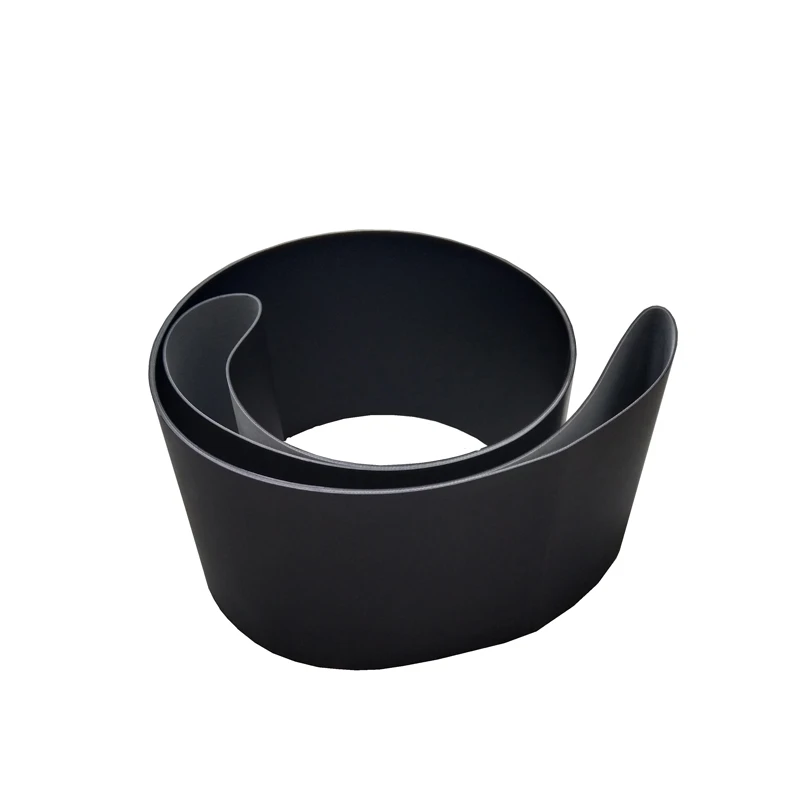
Bolivia's industrial landscape is dominated by high-altitude mining operations in the Altiplano. The extreme temperature fluctuations and low oxygen levels impact the physical properties of a conveyor belt, leading to accelerated rubber degradation and unexpected tensile failure if standard materials are used.

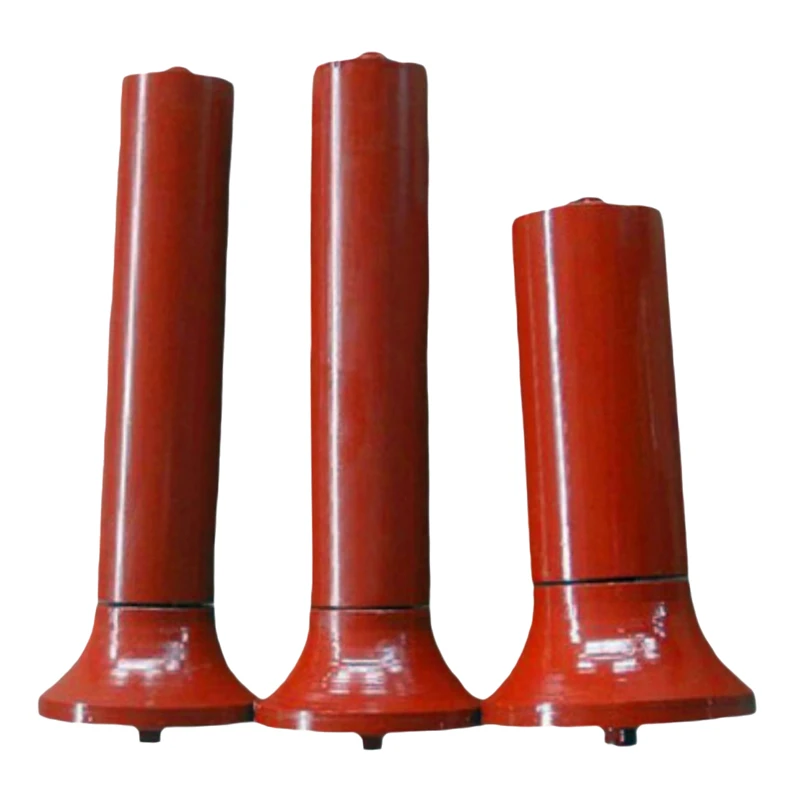
The transport of abrasive minerals like tin, silver, and lithium requires heavy-duty components. Specifically, the high impact of ore loading necessitates the installation of a specialized impact roller to prevent belt carcass damage and reduce costly downtime in remote Andean sites.

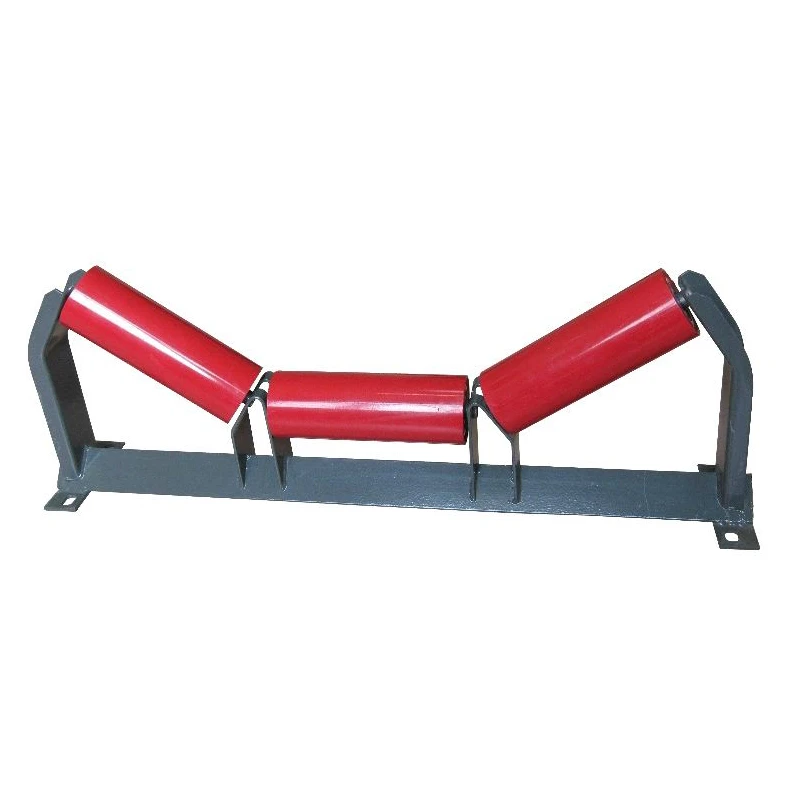
Logistical constraints in Bolivia often mean that equipment must be self-sufficient and easy to maintain. The reliance on robust gravity conveyor roller systems in sorting facilities helps minimize energy consumption in areas where power infrastructure is inconsistent.
Evolution of Conveying Technology in Bolivia

From manual haulage to automated continuous transport systems.

Market Development History

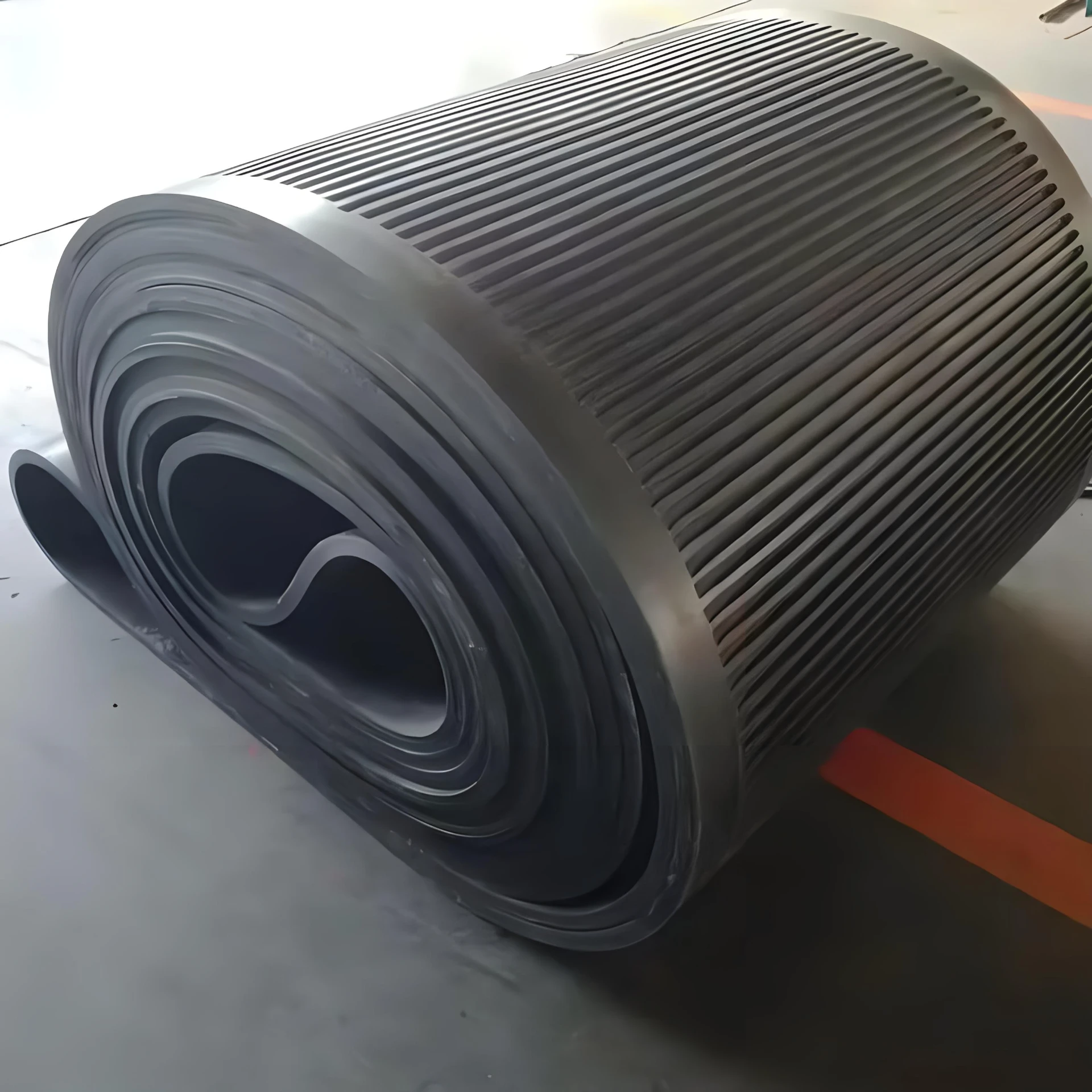
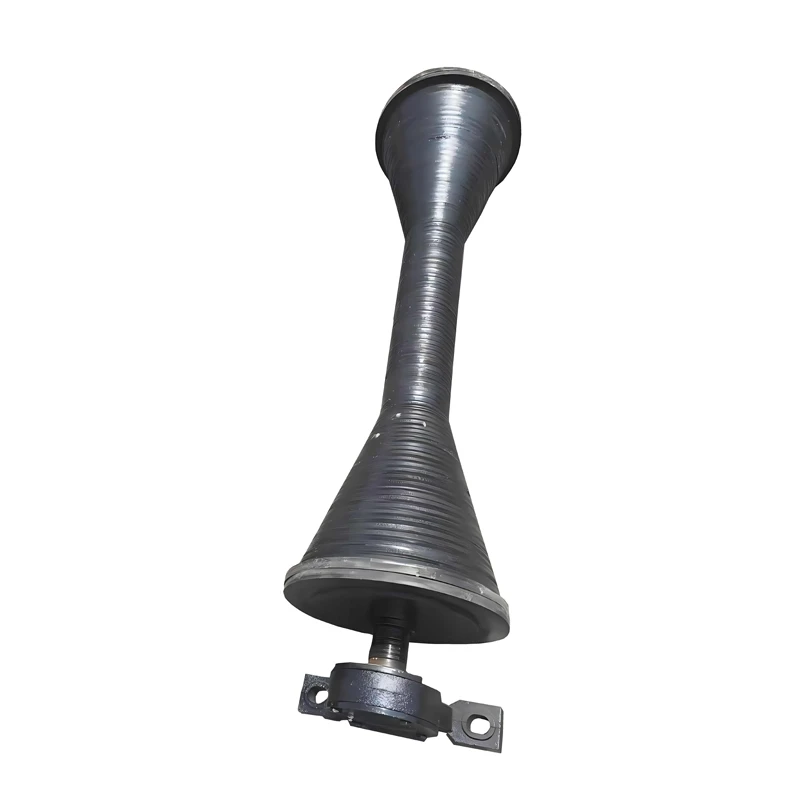
Between 1980 and 2000, Bolivian mines relied heavily on basic mechanical belts and manual sorting. These early systems lacked specialized components, often resulting in frequent failures at transition points due to the absence of a proper bend pulley to manage belt tension and curvature.

From 2000 to 2015, there was a shift toward industrialization. The introduction of reinforced steel-cord belts and modular rollers allowed for longer transport distances, connecting deep mine shafts directly to processing plants, significantly increasing hourly throughput.

Since 2015, the focus has pivoted toward "Smart Mining." The integration of sensors and high-wear resistant polymers has transformed maintenance from reactive to predictive, ensuring that critical components are replaced before catastrophic failure occurs.

Future Development Trends

Eco-Friendly Material Composites

Shift towards biodegradable or recyclable belt polymers to meet stricter environmental regulations in the Amazonian and Andean regions.

IoT-Integrated Monitoring

Implementation of real-time wear sensors on rollers and pulleys to track degradation via cloud platforms, reducing manual inspection in dangerous terrains.

Energy-Efficient Low-Friction Drives

Adoption of low-rolling-resistance rubber and high-efficiency motors to lower the carbon footprint of massive mineral transport lines.

Industry Trends and Future Outlook

Navigating the technological shift in South American continuous handling.

Automation Integration
Transitioning from manual control to PLC-driven automated conveyor sequences for higher safety.
Extreme Wear Resistance
Development of ceramic-embedded rollers to combat the highly abrasive nature of Bolivian ores.
Modular Design
Rapid-deployment modular frames to allow faster installation in remote mountain locations.
Predictive Maintenance
Using vibration analysis to predict roller bearing failure before it stops production.

Industry Outlook

Based on current search trends and industrial growth in South America, the demand for customized, heavy-duty handling equipment is expected to grow by 4.5% annually in Bolivia. This is driven by the expansion of lithium extraction projects, which require specialized, corrosion-resistant transport systems.

The future will see a convergence of mechanical robustness and digital intelligence. The industry is moving away from "one-size-fits-all" components toward engineered solutions that account for the specific gravity, moisture, and chemical composition of the materials being moved.

Localized Application Scenarios in Bolivia

Real-world implementations of continuous handling technology across diverse Bolivian terrains.

1. Potosí Silver & Tin Mining

Deployment of high-tension steel cord belts and reinforced impact roller stations to handle raw ore from deep shafts to primary crushers.

2. Salar de Uyuni Lithium Extraction

Installation of corrosion-resistant belt conveyors designed to operate in high-salinity environments without structural degradation.

3. Santa Cruz Agricultural Logistics

Using heavy-duty gravity conveyor roller systems in soybean and grain silos for energy-efficient bulk movement.

4. La Paz Urban Infrastructure Projects

Specialized compact conveyors utilizing a precision bend pulley system to navigate the steep topographic gradients of the city's construction sites.

5. Oruro Industrial Processing Plants

Integrated continuous handling lines for chemical processing, focusing on heat-resistant belting and seamless transition pulleys.

Brand Story

Global Development Journey of Hebei Roulle Machinery Equipment Technology Co., Ltd.

Foundation & Engineering Roots

Started as a specialized workshop focusing on the core physics of material movement, mastering the precision required for industrial rollers.

Technological Breakthroughs

Developed proprietary wear-resistant alloys and rubber compounding techniques to solve the problem of premature belt failure in harsh mines.

Global Market Expansion

Expanded operations into South America, adapting European standards to meet the rugged demands of Andean mining operations.

Innovation in Sustainability

Launched a line of energy-saving conveyor components that reduce operational friction and lower the carbon footprint of industrial clients.

Industry Leadership

Recognized as a leading provider of continuous handling solutions, committed to solving the world's toughest material transport challenges.

Comprehensive Conveying Portfolio for Bolivia

From heavy-duty mining components to agile sorting systems.

Bolivian Industry FAQ

Expert answers to common technical queries in material handling.

How to choose the right conveyor belt for high-altitude mining in Bolivia?

You must select a belt with a specialized rubber compound that resists ozone and extreme UV radiation common at high altitudes, ensuring the belt remains flexible and does not crack.

What is the lifespan of an impact roller in abrasive ore environments?

Depending on the material, a standard roller may last 6-12 months, but our reinforced ceramic-coated rollers can extend this lifespan by up to 300% in abrasive conditions.

How does a bend pulley improve system efficiency in steep terrain?

A precision bend pulley reduces the stress on the belt carcass during direction changes, preventing edge fraying and maintaining optimal tension across steep inclines.

Are gravity conveyor roller systems suitable for dusty Bolivian factories?

Yes, provided they are equipped with sealed bearings. Our rollers feature IP65-rated seals to prevent dust ingress, ensuring smooth rotation without lubrication.

Can belt conveyors be customized for lithium brine processing?

Absolutely. We provide stainless steel frames and PVC/PE belts specifically designed to resist chemical corrosion from lithium salts and brine.

What maintenance schedule is recommended for continuous handling systems?

We recommend weekly visual inspections of belt alignment and monthly checks on roller rotation. Critical load points should be inspected bi-weekly for wear.

Request a Technical Consultation

Get professional engineering support for your material handling projects in Bolivia.

Contact Us Now

If you are interested in our products, you can choose to leave your information here, and we will be in touch with you shortly.