Efficient material transport is the backbone of modern industrial operations. A factory conveyor belt serves as the primary mechanism for moving raw materials and finished goods across vast production floors, ensuring a seamless flow that reduces manual labor and minimizes downtime. This article explores the technical nuances of these systems, focusing on how to enhance durability and throughput through precision engineering.
In high-capacity environments like mining, metallurgy, and chemical engineering, the stress placed on transport machinery is immense. The primary challenge often lies in the receiving sections, where materials drop from heights, creating significant impact stress. Addressing these mechanical vulnerabilities is critical for reducing replacement costs and maintaining a steady operational cadence in heavy-duty industrial settings.
Readers will gain a comprehensive understanding of the critical components that protect these systems, specifically the role of buffer rollers. We will analyze technical specifications, material trade-offs, and the specific procurement criteria necessary to select a factory conveyor belt solution that aligns with specific industrial loads and environmental constraints.
Industrial Material Handling Fundamentals
The architecture of a continuous transport system is designed to optimize the movement of bulk solids or unit loads. At its core, the system relies on the interaction between the belt, the drive mechanism, and the supporting roller groups. In sectors such as coal mining and port logistics, the scale of these systems requires an extreme focus on structural integrity. The efficiency of a system is not merely determined by the motor's power but by the reduction of internal resistance. Any misalignment or excessive friction between the belt and the supporting components leads to premature wear and increased energy consumption. To counteract this, engineering standards emphasize the use of specialized roller configurations that distribute weight evenly and absorb the kinetic energy of falling materials. By integrating high-precision components—such as those produced under ISO9001 and CE certifications—companies can ensure that their transport lines meet national and international safety and performance standards, thereby securing a reliable supply chain within the plant.
Optimizing System Performance and Selection
To maximize the lifecycle of a transport system, technical focus must shift from simple movement to impact management and friction reduction. The following analysis details the specific technical parameters that determine the longevity and efficiency of the assembly.
Impact Reduction Mechanisms
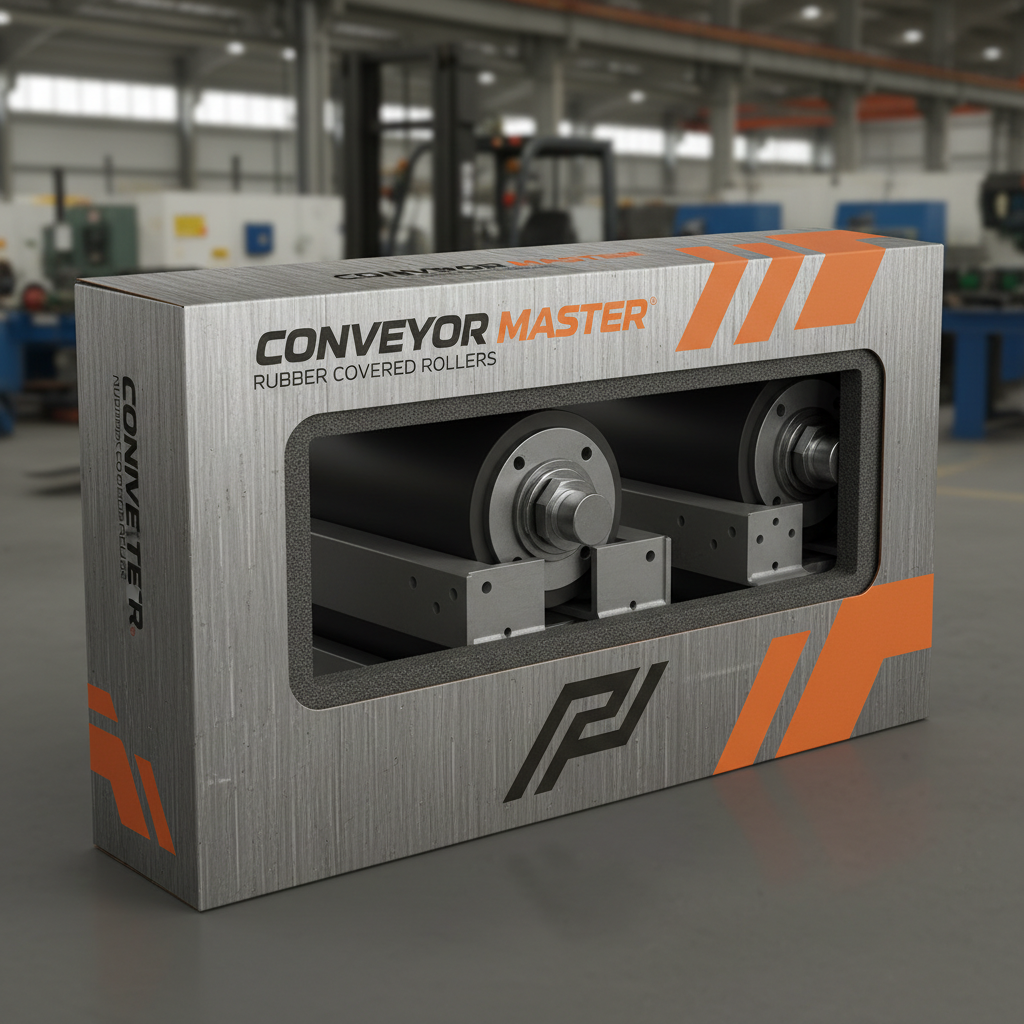
Buffer roller groups are strategically installed beneath the receiving section to cushion the impact of materials during the dropping process. By absorbing the vertical force, these components prevent the belt from stretching or tearing, which is a common cause of catastrophic system failure. The effectiveness of this protection depends on the roller's ability to deform slightly and return to its original shape, distributing the force across a wider surface area.
| Technical Factor | Impact on System | Verification Method | Buyer Question |
|---|---|---|---|
| Roller Diameter | Determines load capacity | Dimension check | Does the diameter match the bandwidth? |
| Polymer Density | Affects energy absorption | Material certification | Is the specific gravity 1/7th of steel? |
| Tube Wall Thickness | Controls structural rigidity | Ultrasonic testing | Can wall thickness be customized? |
| Installation Density | Reduces point-load stress | Spacing measurement | Is the spacing optimized for drop height? |
| Rubber Hardness | Influences belt grip/wear | Durometer test | Is the hardness suited for the material? |
| Axial Displacement | Prevents belt tracking issues | Tolerances check | What is the allowable axial movement? |
Material Selection for Rollers
Modern engineering favors specialized polymer materials over traditional steel for impact zones. These materials are significantly lighter—often with a specific gravity only one-seventh that of steel—which reduces the overall mass of the rotating parts. This reduction in weight translates directly to lower rotational inertia, meaning the system requires less energy to start and maintain speed, while simultaneously reducing the frictional wear on the belt surface.
Dimensional Specifications
Correct sizing is non-negotiable for operational stability. For transport belts with bandwidths ranging from 500mm to 1400mm, industry standards dictate a variety of roller diameters to manage different load intensities. Common specifications include diameters such as φ89, φ108, φ140, and φ194. Choosing an undersized roller for a heavy load can lead to premature deformation, while an oversized roller may introduce unnecessary weight and cost.
Friction and Rotational Inertia
Rotational inertia is a key driver of energy efficiency in large-scale plants. Rollers made from lightweight polymers exhibit lower inertia compared to steel counterparts. This characteristic reduces the torque required from the drive motor and minimizes the heat generated by friction. Lower friction coefficients not only extend the life of the belt but also decrease the likelihood of belt slippage, ensuring a consistent flow of materials.
Installation Density Strategy
The density of roller installation in the receiving area is critical. Increasing the number of rollers per linear meter reduces the gap through which the belt may sag under the weight of falling material. A denser installation ensures that the impact is distributed across multiple contact points rather than a single point of failure. Regular inspections are necessary to replace damaged rollers promptly to maintain this protective density.
Procurement Evaluation Criteria
When sourcing components, procurement officers should look beyond the unit price and evaluate the "total cost of ownership." Key technical checkpoints include radial runout (to ensure smooth rotation), axial bearing capacity, and the flexibility of the roller. A high-quality component should demonstrate excellent impact resistance and be manufactured under certified quality management systems like ISO9001 to ensure consistency across large batches.
Environmental Resistance Factors
The operational environment heavily influences component choice. In chemical plants or docks, rollers must be resistant to dust, water, and corrosive agents. The use of sealed bearings and specialized polymer coatings prevents contaminants from entering the internal mechanism, which would otherwise lead to seizing and increased resistance. Temperature stability is also a factor, as extreme heat or cold can alter the hardness of the rubber covering.
FAQ
What is the primary purpose of a buffer roller group?
The primary purpose is to reduce the impact of materials on the belt during the loading or dropping phase. By cushioning the falling load, buffer rollers prevent punctures and excessive stretching of the belt, significantly extending the service life of the entire transport system.
How does polymer material improve roller performance over steel?
Polymer materials offer a much lower specific gravity (roughly one-seventh of steel), which reduces the rotational inertia of the roller. This results in lower friction against the belt and decreased energy consumption for the drive system, while providing better impact absorption properties.
What diameters are typically used for buffer rollers?
Depending on the belt bandwidth (usually 500mm-1400mm), standard diameters include φ89, φ102, φ108, φ114, φ127, φ133, φ140, φ159, φ165, φ176, and φ194. The choice depends on the weight of the transported material and the height of the drop.
What should I check when purchasing industrial rollers?
Buyers should evaluate the radial runout for precision, axial displacement limits, dust and water resistance, and the overall impact resistance of the material. It is also essential to verify that the manufacturer holds certifications like ISO9001, CE, and SGS to guarantee quality consistency.
How does roller spacing affect conveyor resistance?
The spacing between rollers, combined with the mass of the rotating parts and the lubrication condition, directly affects the total resistance of the system. Tighter spacing in impact zones prevents belt sagging, which reduces the energy needed to move the belt under load.
Can tube wall thickness be customized for specific industrial needs?
Yes, while standard wall thicknesses often range from 2.2mm to 6mm, customization is typically available to meet higher load requirements or specific structural needs of the industry, such as in heavy mining or metallurgy applications.
References and further reading
- International Organization for Standardization. ISO 9001:2015 Quality Management Systems.
- Industrial Standards for Bulk Material Handling: Belt Conveyor Component Specifications.
- Engineering Guide to Rotational Inertia and Friction in Industrial Transport Systems.
Related Articles